logo
13 daysPrivate Trip Available

Annapurna Base Camp Trek

Expedition Vitality

Trip Overview

  • AccommodationTea House
  • GradeModerate
  • MealsBreakfast Lunch Dinner
  • StyleTrekking
  • TransportationExcursion bus
  • Group SizeMin 1 Pax.
  • Max Altitude4,130 m
  • Duration13 days
Discovery Journey

Experience Highlights

  • Reach Annapurna Base Camp (4,130 m)
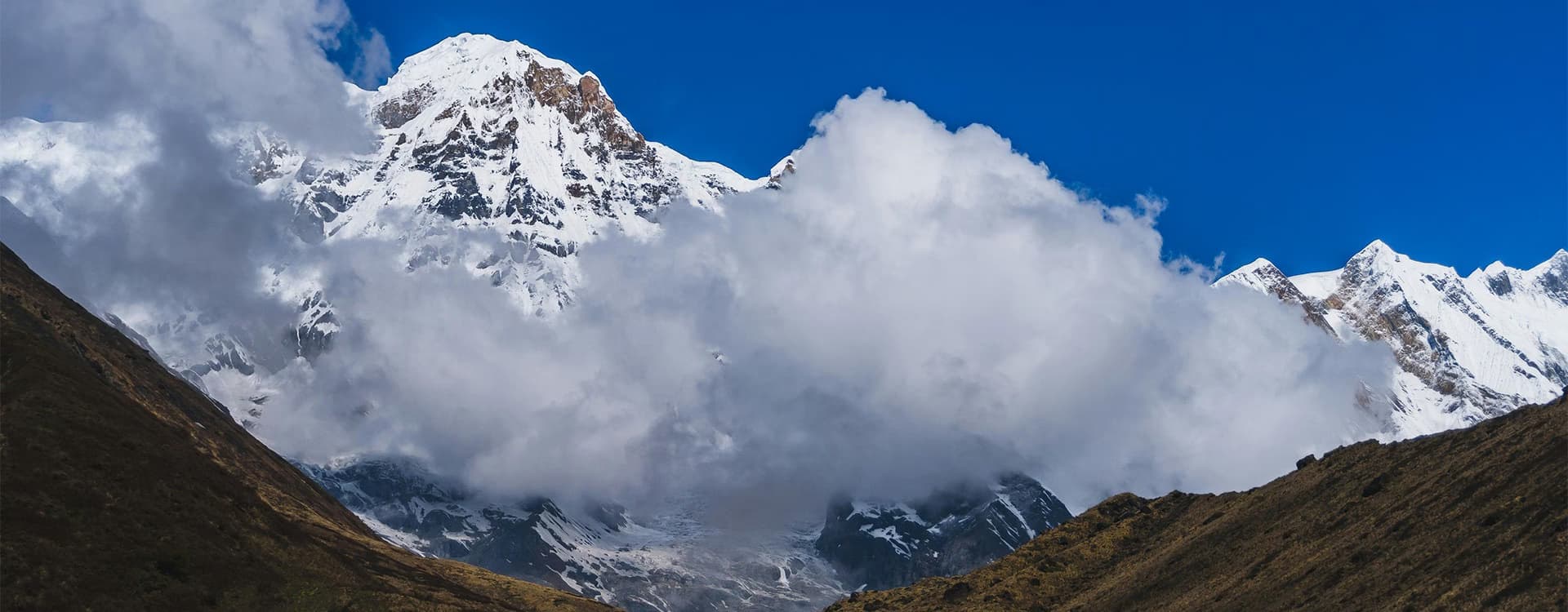
    Stand at the heart of the Annapurna Sanctuary, surrounded by towering Himalayan giants including Annapurna I, Annapurna South, Hiunchuli, and Gangapurna.

  • Close-Up Views of Machhapuchhre (Fishtail)
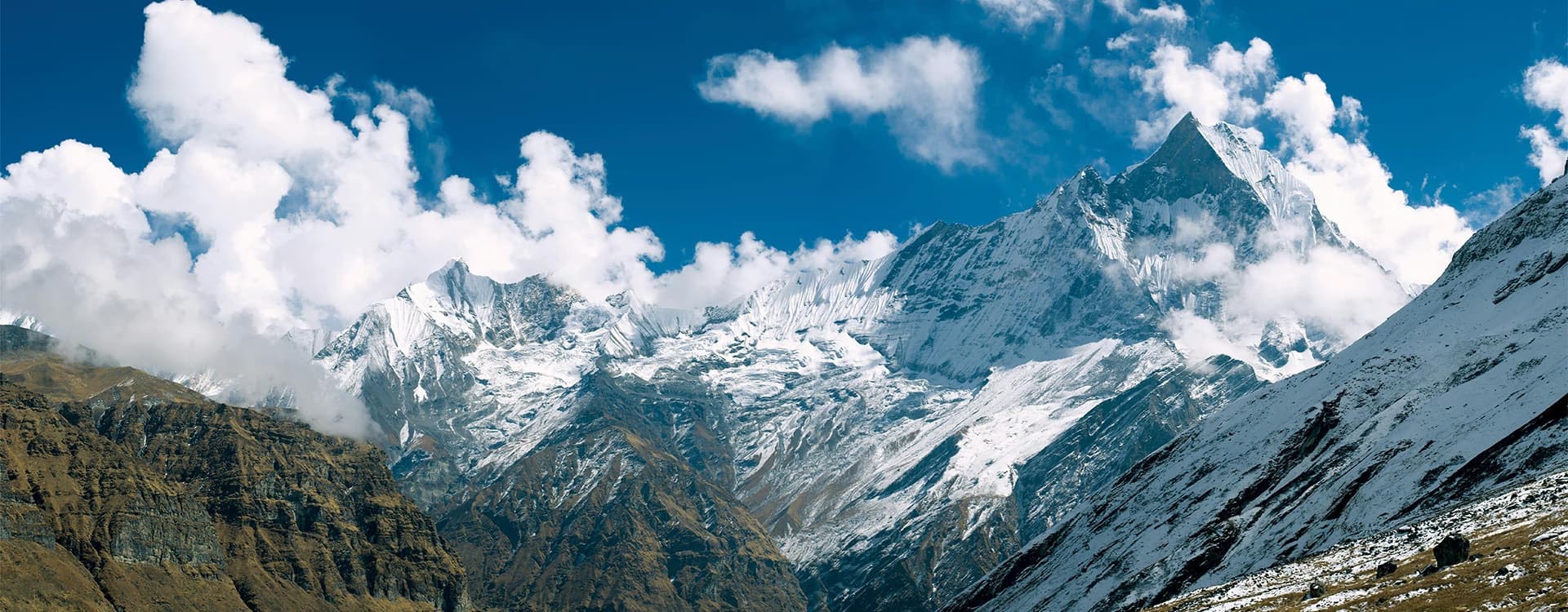
    Enjoy breathtaking views of the sacred Machhapuchhre peak, one of Nepal’s most iconic and unclimbed mountains.

  • Diverse Landscapes in a Short Duration
    Trek through terraced farmlands, rhododendron forests, river valleys, and high-altitude alpine terrain within a compact 13-day itinerary.

  • Annapurna Sanctuary Experience
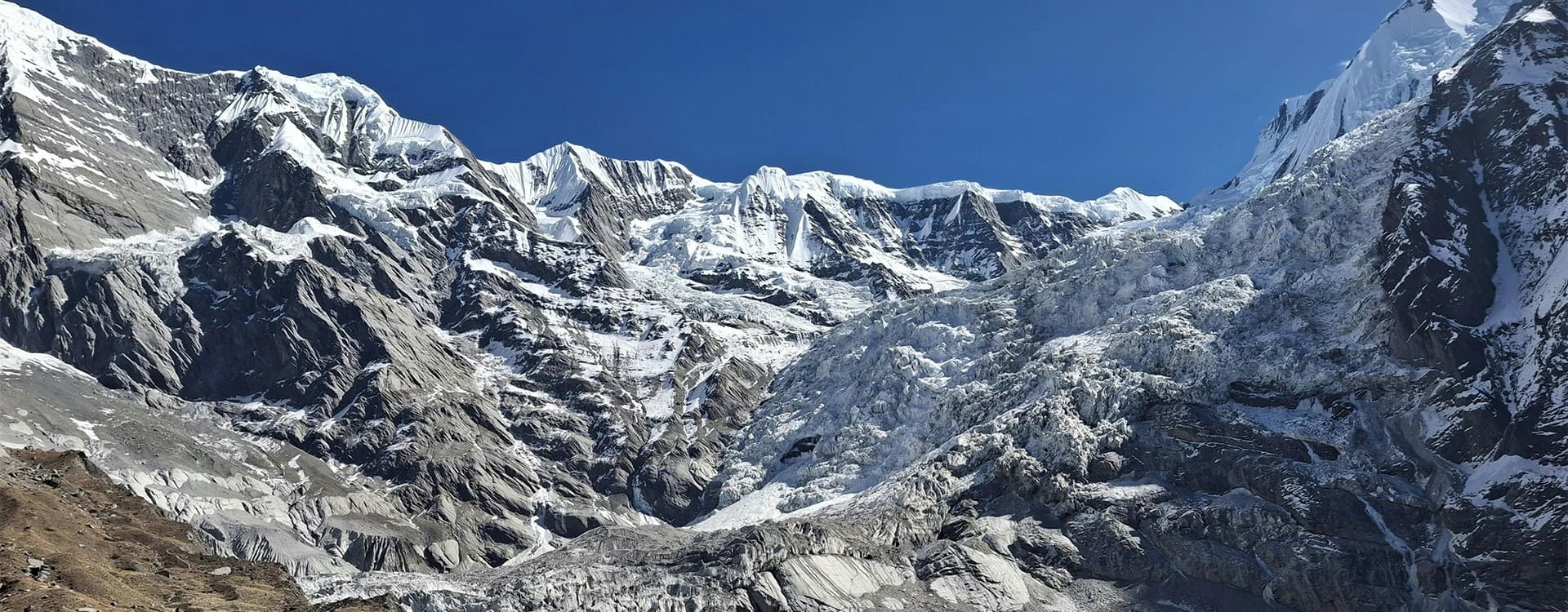
    Walk into a natural Himalayan amphitheater offering 360-degree mountain panoramas, glaciers, and dramatic icefalls.

  • Cultural Encounters in Gurung & Magar Villages
    Experience authentic mountain life in traditional villages like Ghandruk and Chhomrong, known for warm hospitality and rich culture.

  • Natural Hot Springs at Jhinu Danda
    Relax your muscles in natural hot springs after days of trekking, a unique and rewarding highlight of the route.

  • Moderate Difficulty – Ideal for Beginners
    A well-paced trek with gradual altitude gain, making Annapurna Base Camp perfect for first-time trekkers seeking a true Himalayan adventure.

Expedition Narrative

About Annapurna Base Camp Trek — 13 days

The Annapurna Base Camp Trek (13 Days) is one of Nepal’s most scenic and rewarding trekking adventures, offering an unforgettable journey into the heart of the Annapurna Sanctuary. This classic Himalayan trek combines diverse landscapes, rich mountain culture, natural hot springs, and close-up views of some of the world’s highest peaks, making it an ideal choice for both first-time trekkers and experienced hikers.

The trek begins from Pokhara, Nepal’s beautiful lakeside city, and gradually ascends through lush subtropical forests, terraced farmlands, and traditional Gurung and Magar villages. As you move deeper into the Annapurna region, the trail passes through charming settlements such as Ghandruk, Chhomrong, Bamboo, Deurali, and Machhapuchhre Base Camp (MBC), each offering unique cultural experiences and stunning mountain scenery.

One of the defining features of the Annapurna Base Camp Trek is the dramatic change in landscape within a relatively short time. Trekkers walk through rhododendron forests, cross cascading rivers and suspension bridges, and enter high-altitude alpine terrain surrounded by towering Himalayan peaks. The final ascent leads into the Annapurna Sanctuary, a natural amphitheater enclosed by Annapurna I (8,091 m), Annapurna South, Hiunchuli, Gangapurna, and the iconic Machhapuchhre (Fishtail).

Reaching Annapurna Base Camp (4,130 m) is a deeply rewarding experience. Standing in the center of the sanctuary, trekkers are surrounded by a 360-degree panorama of snow-covered mountains rising dramatically from the valley floor. Sunrise at Annapurna Base Camp is a magical moment, as golden light illuminates the massive peaks, glaciers, and icefalls that define this Himalayan wonderland.

The trek also offers rich cultural encounters along the way. The Annapurna region is home to diverse ethnic communities, particularly the Gurung and Magar people, whose traditions, architecture, and warm hospitality add depth to the trekking experience. Visiting villages like Ghandruk provides insight into rural mountain life and centuries-old customs that remain deeply rooted in the region.

Unlike higher altitude treks such as Everest Base Camp, the Annapurna Base Camp Trek is considered moderate in difficulty, making it accessible to trekkers with reasonable fitness and determination. The 13-day itinerary is carefully designed to allow gradual altitude gain, proper acclimatization, and ample time to enjoy the scenery without rushing.

Accommodation during the trek is in comfortable teahouses and guesthouses, offering warm meals, cozy rooms, and a welcoming atmosphere. Meals include local Nepali cuisine such as dal bhat, along with a variety of international options to keep trekkers energized throughout the journey.

At Himalayan Ripple, we focus on delivering a safe, well-organized, and authentic Annapurna Base Camp trekking experience. Our experienced local guides, porter support, and thoughtfully planned itineraries ensure your trek is enjoyable, comfortable, and memorable. Whether you are trekking solo, with friends, or as part of a group, we tailor the Annapurna Base Camp Trek to match your pace, fitness level, and expectations.

The 13-day Annapurna Base Camp Trek is perfect for travelers seeking breathtaking Himalayan views, cultural richness, and a rewarding adventure without extreme altitude challenges. It is a journey that showcases the very best of Nepal’s natural beauty and mountain heritage—leaving you with lifelong memories and a deep connection to the Himalayas.
Day-by-Day Plan

Detailed Itinerary Annapurna Base Camp Trek — 13 days

Tailor This Journey

This provides a generalized view of our expedition flow. We specialize in bespoke adjustments based on season, group size, and personal pace to ensure your Himalayan experience is flawless.

Request Customization
  • Day 01

    Arrival in Kathmandu – Welcome to Nepal

    Upon arrival at Tribhuvan International Airport, you are warmly welcomed and transferred to your hotel in Kathmandu. The bustling streets, ancient temples, and distant Himalayan views offer a gentle introduction to Nepal. The rest of the day is free to relax after your flight or explore nearby areas. In the evening, a short briefing is held to introduce the trek, review equipment, and answer any questions. Overnight at a comfortable hotel.

    • MealsDinner
    • Accommodation3-star hotel
    • Travel Duration20–30 minutes
    • Travel DistanceApprox. 6–8 km (airport transfer)
    • TransportationPrivate vehicle
    • Elevation to 1,400 m / 4,593 ft
  • Day 02

    Scenic Drive from Kathmandu to Pokhara

    After breakfast, you begin a scenic drive to Pokhara along winding mountain roads. The journey follows river valleys, terraced farmland, and small hillside towns, offering a glimpse into rural Nepal. By late afternoon, you arrive in Pokhara, a peaceful lakeside city set beneath the Annapurna range. The evening is perfect for a stroll along Phewa Lake, enjoying mountain reflections and relaxed cafés. Overnight in Lakeside.

    • MealsBreakfast, Lunch & Dinner
    • Accommodation3 star hotel
    • Travel Duration7–9 hours
    • Travel DistanceApprox. 200 km
    • RouteKathmandu to Pokhara
    • TransportationTourist bus
    • Elevation1,400 m / 4,593 ft to 900 m / 2,953 ft
  • Day 03

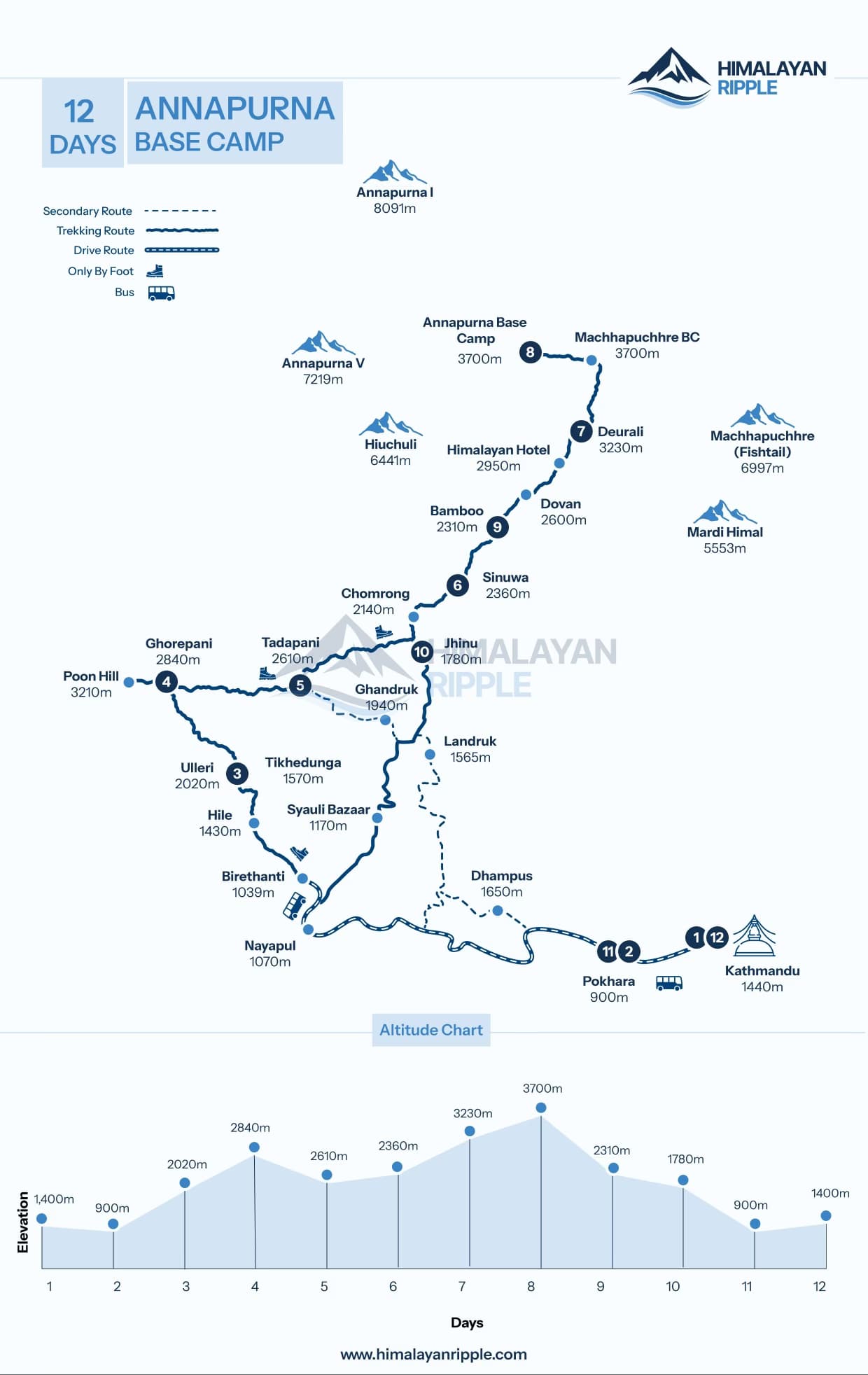
    Drive to Birethanti and Trek to Ulleri

    This morning, you drive from Pokhara to Birethanti, the gateway to the Annapurna region. After meeting the trekking crew, the trek begins along riverside trails and stone steps. Passing through villages and terraced fields, the trail gradually climbs toward Ulleri. The final ascent involves a long stone staircase, rewarding you with mountain views and a true sense of entering the Himalayas. Overnight at a cozy guesthouse in Ulleri.

    • MealsBreakfast, Lunch & Dinner
    • AccommodationGuest house
    • Travel Duration1 hour + Trek 4–5 hours
    • Travel DistanceDrive approx. 40 km + Trek approx. 8 km
    • RoutePokhara to Ulleri
    • TransportationPrivate vehicle + trekking on foot
    • Elevation900 m / 2,953 ft to 2,020 m / 6,627 ft
  • Day 04

    rek from Ulleri to Ghorepani

    The trail climbs steadily through lush rhododendron and oak forests. In spring, the forest bursts into color with blooming rhododendrons. As you gain elevation, the air cools and the forest grows quieter. By afternoon, you reach Ghorepani, a charming mountain village known for its incredible sunrise viewpoints. Overnight at a guesthouse surrounded by forested hills.

    • MealsBreakfast, Lunch & Dinner
    • AccommodationGuest house
    • Travel Duration5–6 hours
    • Travel DistanceApprox. 10 km
    • RouteUlleri to Ghorepani
    • TransportationTrekking on foot
    • Elevation2,020 m / 6,627 ft to 2,840 m / 9,286 ft
  • Day 05

    Sunrise at Poon Hill and Trek to Tadapani

    Before dawn, you hike up to Poon Hill, one of Nepal’s most famous viewpoints. As the sun rises, the Annapurna and Dhaulagiri ranges glow in golden light — a truly unforgettable moment. After returning to Ghorepani for breakfast, you continue trekking through forested ridges and mountain trails to Tadapani. Overnight at a peaceful guesthouse with mountain surroundings.

    • MealsBreakfast, Lunch & Dinner
    • AccommodationGuest house
    • Travel Duration6–7 hours
    • Travel DistanceApprox. 12 km
    • RouteGhorepani to Tadapani
    • TransportationTrekking on foot
    • Elevation2,840 m / 9,286 ft to 2,610 m / 8,563 ft
  • Day 06

    Trek from Tadapani to Sinuwa

    Today’s trek descends through forests and crosses rivers before climbing again through terraced farmland and traditional villages. The trail offers a mix of mountain scenery and local life. By late afternoon, you reach Sinuwa, a quiet settlement surrounded by greenery. Overnight at a guesthouse.

    • MealsBreakfast, Lunch & Dinner
    • AccommodationGuest house
    • Travel Duration6–7 hours
    • Travel DistanceApprox. 13 km
    • RouteTadapani to Sinuwa
    • TransportationTrekking on foot
    • Elevation2,610 m / 8,563 ft to 2,360 m / 7,740 ft
  • Day 07

    Trek from Sinuwa to Deurali

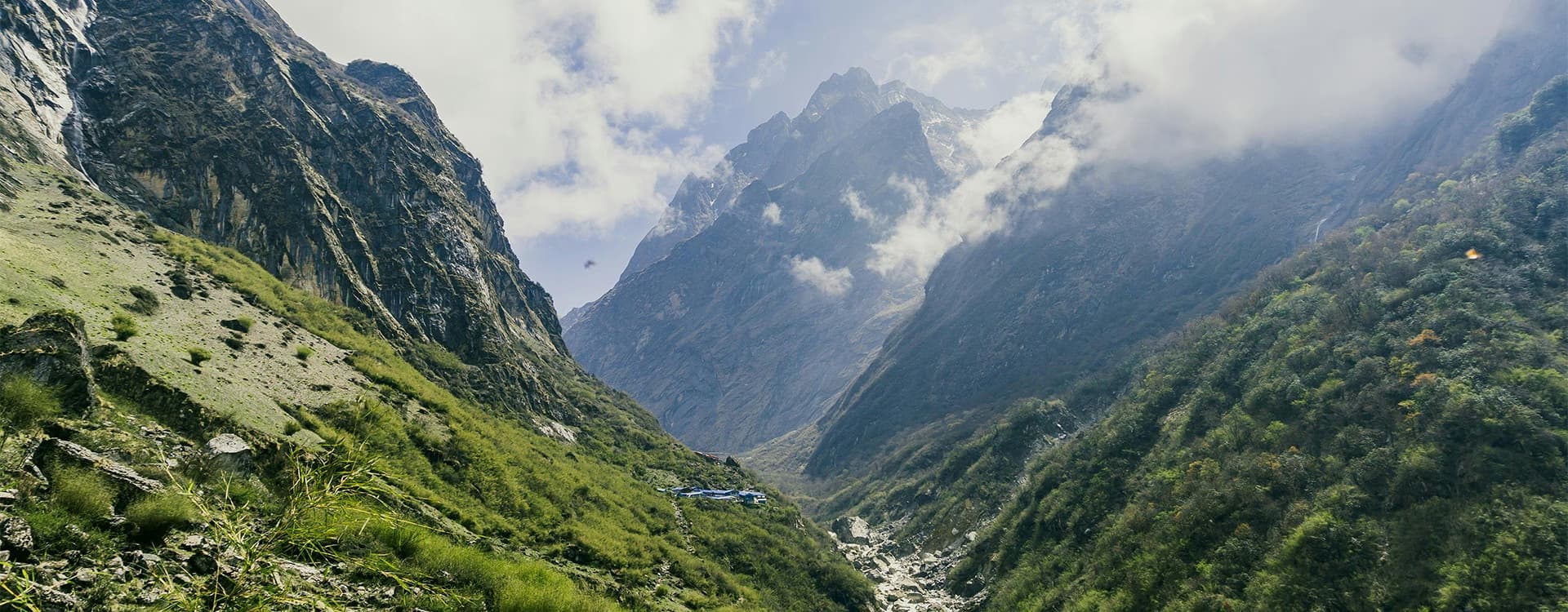
    The trail climbs steadily through bamboo and rhododendron forests, gradually entering a more alpine environment. Passing villages like Bamboo and Himalaya, you follow the Modi Khola deeper into the Annapurna Sanctuary. The surrounding cliffs rise dramatically as you approach Deurali, where the valley narrows and mountains dominate the skyline.

    • MealsBreakfast, Lunch & Dinner
    • AccommodationGuest house
    • Travel Duration6–7 hours
    • Travel DistanceApprox. 12 km
    • RouteSinuwa to Deurali
    • TransportationTrekking on foot
    • Elevation2,360 m / 7,740 ft to 3,230 m / 10,597 ft
  • Day 08

    Trek from Deurali to Annapurna Base Camp

    Today is the highlight of the trek. The trail opens into the magnificent Annapurna Sanctuary, surrounded by towering Himalayan giants. Passing Machapuchare Base Camp, you continue to Annapurna Base Camp, standing at the heart of the mountains. Peaks like Annapurna I, Annapurna South, Hiunchuli, and Machapuchare encircle you completely. The sense of scale and beauty is overwhelming. Overnight at a guesthouse beneath the stars.

    • MealsBreakfast, Lunch & Dinner
    • AccommodationGuest house
    • Travel Duration5–6 hours
    • Travel DistanceApprox. 10 km
    • RouteDeurali to Annapurna Base Camp
    • TransportationTrekking on foot
    • Elevation3,230 m / 10,597 ft to 4,130 m / 13,550 ft
  • Day 09

    Trek from Annapurna Base Camp to Bamboo

    Waking up at Annapurna Base Camp is a magical experience, as the mountains glow with the first light of day. After breakfast, you begin the descent, retracing your steps through the sanctuary. The air grows warmer and vegetation gradually returns as you reach Bamboo. Overnight at a guesthouse.

    • MealsBreakfast, Lunch & Dinner
    • AccommodationGuest house
    • Travel Duration6–7 hours
    • Travel DistanceApprox. 14 km
    • RouteAnnapurna Base Campv to Bamboo
    • TransportationTrekking on foot
    • Elevation4,130 m / 13,550 ft to 2,345 m / 7,694 ft
  • Day 10

    Trek from Bamboo to Jhinu Danda

    The trail descends through forested paths and villages toward Jhinu Danda. After reaching the village, you can enjoy a relaxing walk to the nearby natural hot springs, a perfect way to soothe tired muscles after days of trekking. Overnight at a guesthouse.

    • MealsBreakfast, Lunch & Dinner
    • AccommodationGuest house
    • Travel Duration4–5 hours
    • Travel DistanceApprox. 7 km
    • RouteBamboo to Jhinu
    • TransportationTrekking on foot
    • Elevation2,345 m / 7,694 ft to 1,780 m / 5,839 ft
  • Day 11

    Trek to Syauli Bazaar and Drive to Pokhara

    A short and easy trek takes you from Jhinu to Syauli Bazaar, where your trek concludes. From here, you drive back to Pokhara. The evening is free to relax by Phewa Lake, enjoy a good meal, or simply reflect on the journey you’ve completed.

    • MealsBreakfast, Lunch & Dinner
    • Accommodation3 star hotel
    • Travel DurationTrek 2–3 hours + Drive 2–4 hours
    • Travel DistanceTrek approx. 4 km + Drive approx. 50 km
    • RouteJhinu to Pokhara
    • TransportationTrekking on foot + private vehicle
    • Elevation1,780 m / 5,839 ft to 900 m / 2,953 ft
  • Day 12

    Drive from Pokhara to Kathmandu

    After breakfast, you return to Kathmandu by tourist bus. The scenic drive offers final views of Nepal’s hills, rivers, and villages. Upon arrival, you check into your hotel and enjoy your final evening in the capital.

    • MealsBreakfast, Lunch & Dinner
    • Accommodation3 star hotel
    • Travel Duration7–9 hours
    • Travel DistanceApprox. 200 km
    • RoutePokhara to Kathmandu
    • TransportationTourist bus
    • Elevation900 m / 2,953 ft to 1,400 m / 4,593 ft
  • Day 13

    Final Departure

    According to your flight schedule, you will be transferred to Tribhuvan International Airport for your onward journey, carrying unforgettable memories of the Annapurna region.

    • MealsBreakfast
    • Travel Duration20–30 minutes
    • Travel DistanceApprox. 6–8 km
    • RouteKathmandu hotel
    • TransportationPrivate vehicle
    • Elevation1,400 m / 4,593 ft
Geographic Route

Trip Map

Trip Investment

Cost Includes

Accommodation

  • Twin-sharing/double accommodation for 2 nights in a 3-star hotel in Kathmandu, including breakfast
    (Private room accommodation can be arranged at an additional cost)

  • Twin-sharing guesthouse/teahouse accommodation during the trek for 10 nights in the Annapurna Region

Meals & Drinking Water

  • All standard meals during the trek (10 breakfasts, 10 lunches, and 10 dinners)
    including one hot drink per meal and seasonal fruits

  • A farewell dinner on the final evening in Nepal

  • Purified drinking water during the trek using a water filter or purification tablets

Transportation

  • All airport transfers (international & domestic) by private tourist vehicle

  • Ground transportation from Kathmandu – Pokhara – Kathmandu by tourist vehicle

  • Private or shared transportation from Pokhara to the trek starting point and back

Guide & Trekking Staff

  • Experienced, government-licensed, English-speaking local trekking guide

  • Additional guide for groups larger than 7 people

  • Porters during the trek (1 porter for every 2 trekkers)

  • All staff wages, meals, accommodation, insurance, equipment, and medications

Permits & Documentation

  • Annapurna Conservation Area Permit (ACAP)

  • TIMS (Trekkers’ Information Management System) card

Trekking Benefits

  • Himalayan Ripple duffel/kit bag, trekking map, sun hat, and Buff (neck gaiter)

  • Comprehensive first-aid kit, including an oximeter to monitor oxygen levels daily

  • Trip completion certificate

Administrative & Taxes

  • All administrative expenses and government taxes

Exclusions

Cost Excludes

  • Lunch and dinner in Kathmandu and Pokhara

  • International airfare and airport departure taxes

  • Nepal entry visa fee
    (Visa on arrival at Tribhuvan International Airport: USD 30 for 15 days, USD 50 for 30 days, USD 125 for 90 days)

  • Travel insurance, including high-altitude emergency evacuation coverage

  • Any beverages, including bottled water, boiled water, soft drinks, or alcohol

  • Tips for trekking staff and drivers

  • Personal trekking gear and equipment

  • Any expenses not mentioned in the Cost Includes section

Essential Briefing

Know Before You Go

Preparing well before joining the Annapurna Base Camp Trek greatly enhances your comfort, safety, and overall experience. Although this trek is considered moderate compared to Everest Base Camp, it still takes you deep into the Himalayas and up to an altitude of 4,130 meters, where proper preparation is essential.

Physical Fitness & Training

A good level of physical fitness will help you enjoy the trek rather than struggle through it. While prior trekking experience is helpful, it is not mandatory. Regular walking, stair climbing, cycling, swimming, or light hiking for several weeks before the trek will build stamina and leg strength. The trail involves long days of walking, frequent stone steps, and steady ascents, so cardiovascular endurance and strong knees are particularly important.

Best Time to Trek

The most favorable seasons for the Annapurna Base Camp Trek are spring (March to May) and autumn (September to November). Spring offers blooming rhododendron forests and clear mountain views, while autumn provides stable weather, excellent visibility, and comfortable trekking conditions. Winter treks are possible but colder, and monsoon season brings rain and limited views, especially at lower elevations.

Acclimatization & Altitude Awareness

Although Annapurna Base Camp is lower than Everest Base Camp, altitude sickness can still affect trekkers. The itinerary is designed with gradual altitude gain, allowing your body time to adapt naturally. Staying hydrated, walking at a steady pace, avoiding alcohol, and listening to your guide’s advice are key factors in preventing altitude-related issues. Any unusual symptoms should be reported immediately.

Packing the Right Gear

Packing wisely is crucial for a comfortable trek. Essential items include well-broken-in trekking boots, layered clothing for changing temperatures, a warm down jacket, rain protection, gloves, a hat, and UV-protection sunglasses. A sleeping bag rated for cold temperatures is recommended, especially in spring and autumn. Lightweight trekking poles can significantly reduce strain on knees during descents.

Accommodation & Facilities

Accommodation along the Annapurna Base Camp trail is primarily in teahouses and guesthouses. Rooms are simple but comfortable, usually with twin-sharing beds. Hot showers, charging facilities, and Wi-Fi are available in some villages for an extra cost. As altitude increases, facilities become more basic, so flexibility and realistic expectations are important.

Meals, Water & Hygiene

Meals during the trek are nutritious and filling, with options such as dal bhat, noodles, soups, rice, pasta, and Tibetan bread. Eating well helps maintain energy levels. Drinking enough water is critical; purified water will be provided, but carrying your own reusable bottle is recommended. Maintaining personal hygiene, including hand sanitization, helps prevent common illnesses.

Weather & Trail Conditions

Weather in the Annapurna region can change quickly, even during peak seasons. Mornings are often clear, while afternoons may bring clouds or light rain. Proper rain gear and warm layers ensure comfort in all conditions. Trails may include stone staircases, forest paths, and occasional snowy sections near the base camp depending on the season.

Cultural Respect & Responsible Trekking

The Annapurna region is rich in Gurung and Magar culture. Dressing modestly, respecting local customs, and asking permission before taking photos of people or religious sites are appreciated. Responsible trekking practices—such as minimizing plastic use and respecting nature—help preserve the region for future generations.

Money, Connectivity & Power

ATMs are available in Pokhara, but not along most of the trekking route. Carry sufficient cash in Nepalese Rupees for personal expenses. Mobile network coverage is limited and unreliable in higher areas, and charging electronic devices usually comes at an additional cost. A power bank is highly recommended.

Travel Insurance & Safety

Comprehensive travel insurance covering trekking up to 4,500 meters and emergency helicopter evacuation is mandatory. While the Annapurna Base Camp Trek is generally safe, having proper insurance ensures peace of mind in case of unforeseen circumstances.

Expert Guidance

Faqs for Annapurna Base Camp Trek

General Information

  • Q.01:What is the Annapurna Base Camp Trek?

    The Annapurna Base Camp (ABC) Trek is one of Nepal’s most popular trekking journeys, leading trekkers to the heart of the Annapurna Sanctuary at an altitude of 4,130 meters. The trek offers a unique blend of dramatic mountain scenery, diverse landscapes, traditional villages, and close-up views of Annapurna I, Machapuchare (Fishtail), Hiunchuli, and Annapurna South.
  • The standard Annapurna Base Camp Trek typically takes 13 days, including arrival, departure, trekking days, and rest days. The itinerary is designed to allow gradual altitude gain and a comfortable pace, ensuring a safe and enjoyable trekking experience.
  • The trek usually starts with a drive from Pokhara to Nayapul or a nearby trailhead and ends back in Pokhara. Pokhara serves as the main gateway to the Annapurna region and is easily accessible from Kathmandu.

Difficulty & Fitness

  • The Annapurna Base Camp Trek is considered a moderate-level trek. While it does not require technical climbing skills, trekkers should be prepared for daily walks of 5–7 hours, stone staircases, and gradual ascents. A reasonable level of fitness is recommended.
  • Previous trekking experience is helpful but not mandatory. First-time trekkers who are physically active, motivated, and prepared can successfully complete the trek with proper guidance and a well-planned itinerary.
  • Good cardiovascular fitness and leg strength are important. Regular walking, hiking, stair climbing, or light training for several weeks before the trek will help you feel more confident and comfortable on the trail.

Altitude & Acclimatization

  • The highest point of the Annapurna Base Camp Trek is Annapurna Base Camp at 4,130 meters (13,550 ft). Some itineraries also include a visit to Machapuchare Base Camp (3,700 m) before reaching ABC.
  • Yes, altitude sickness can occur, although the risk is lower compared to higher-altitude treks like Everest Base Camp. The itinerary includes gradual altitude gain, and following proper acclimatization guidelines significantly reduces the risk.
  • The trek follows a gradual ascent with well-spaced overnight stops. Walking at a steady pace, staying hydrated, eating well, and listening to your guide’s advice help your body adjust naturally to the altitude.

Accommodation & Meals

  • Accommodation during the trek is in local teahouses or guesthouses. Rooms are typically twin-sharing with simple but comfortable bedding. Facilities become more basic at higher elevations.
  • Hot showers and electricity are available in many villages, especially at lower elevations, but may come at an additional cost. At higher altitudes, availability can be limited.
  • Meals are freshly prepared and include local Nepali dishes like dal bhat, as well as international options such as noodles, pasta, soups, rice, and eggs. The food is designed to provide sufficient energy for trekking days.

Best Time & Weather

  • The best seasons are spring (March to May) and autumn (September to November). These months offer stable weather, clear mountain views, and comfortable temperatures.
  • Yes, the trek is possible in winter and monsoon, but conditions are more challenging. Winter brings cold temperatures and possible snow, while monsoon season includes rain, slippery trails, and limited views.

Permits & Logistics

  • Trekkers need the Annapurna Conservation Area Permit (ACAP) and a TIMS (Trekkers’ Information Management System) card, both of which are arranged by Himalayan Ripple.
  • Yes, trekking with a licensed guide is mandatory in Nepal. A guide enhances safety, provides cultural insight, manages logistics, and ensures a smoother trekking experience.
  • Yes, porters are provided to carry your main luggage, allowing you to trek comfortably with just a daypack.

Safety & Insurance

  • The trek is generally safe when undertaken with proper planning, experienced guides, and a realistic itinerary. Himalayan Ripple prioritizes safety, acclimatization, and daily health monitoring.
  • Yes, comprehensive travel insurance covering trekking up to 4,500 meters and emergency helicopter evacuation is mandatory for joining the trek.

Practical Information

  • Purified drinking water is provided during the trek using filtration systems or purification tablets. Carrying a reusable water bottle is recommended.
  • ATMs are only available in Pokhara. Wi-Fi and mobile networks are available in some villages but can be unreliable at higher elevations and usually require an additional fee.
  • You should carry enough Nepalese Rupees to cover personal expenses such as drinks, charging devices, hot showers, and snacks during the trek.

Booking & Customization

  • Yes, Himalayan Ripple can customize the itinerary based on your time frame, fitness level, and preferences, including private treks and group departures.
  • Himalayan Ripple offers experienced local guides, carefully designed itineraries, transparent pricing, and personalized service, ensuring a safe, authentic, and memorable Himalayan trekking experience.
Guest Diaries

Expedition Reviews

Write Review
  • Very reliable Himalayan guide

    Krishna is an excellent guide, who knows the Annapurna trail like the back of his hand. Without his support and constant encouragement I would not have made it up to Base camp, after doing the circuit. Always cheerful and good fun, One thing that struck me was he knew everyone along the route, with whom he would be exchanging information, invaluable in the mountains.
    I can fully recommend him and his company.

    Detailed Review+
    Rodrodrod772

    Rodrodrod772

    United States of America
  • The best experience ever!!

    The best agency in Nepal, the guide was perfect, everything that you need they will provide for you, my best experience ever, I would recommend to everyone.


    Detailed Review+
    A

    Alberto S

    Norway
Bestseller
Private Journey
$950/ Person
Group Size
Price P.P.
1 Pax
US$ 1250
2 - 3 Pax
US$ 1050
4 - 9 Pax
US$ 950
TravelersManage Group
1
Total Estimate1 × $1250
US $1250
Custom Itinerary
US$950Per Person
Book Now
© 2026 Himalayan Ripple

Boutique Himalayan Expeditions. Curated raw adventure blended with high-end hospitality. No part of this website may be reproduced without explicit permission.