logo
14 daysPrivate Trip Available

Langtang Gosaikunda Trek

Expedition Vitality

Trip Overview

  • AccommodationHotel
  • GradeModerate
  • MealsAs per itinerary
  • StyleTrekking
  • TransportationMixed
  • Group SizeMin 1 Pax.
  • Max Altitude4,773 m
  • Duration14 days
Discovery Journey

Experience Highlights

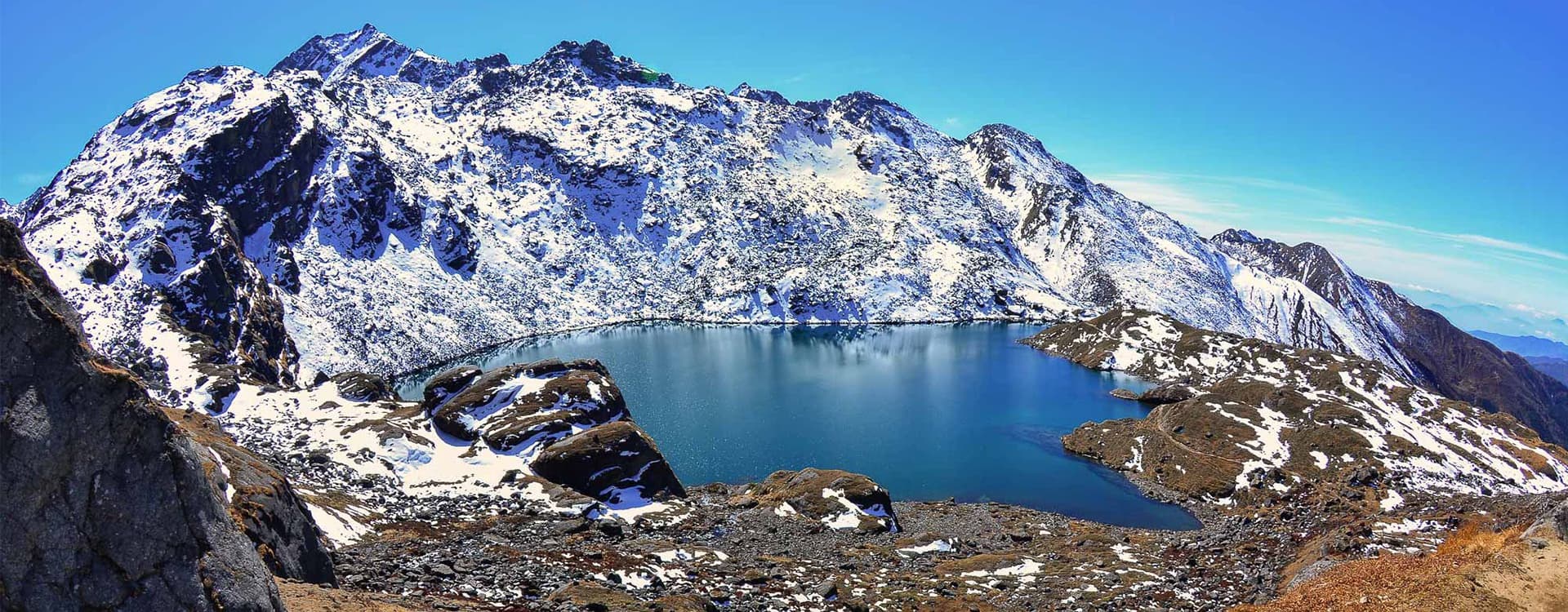
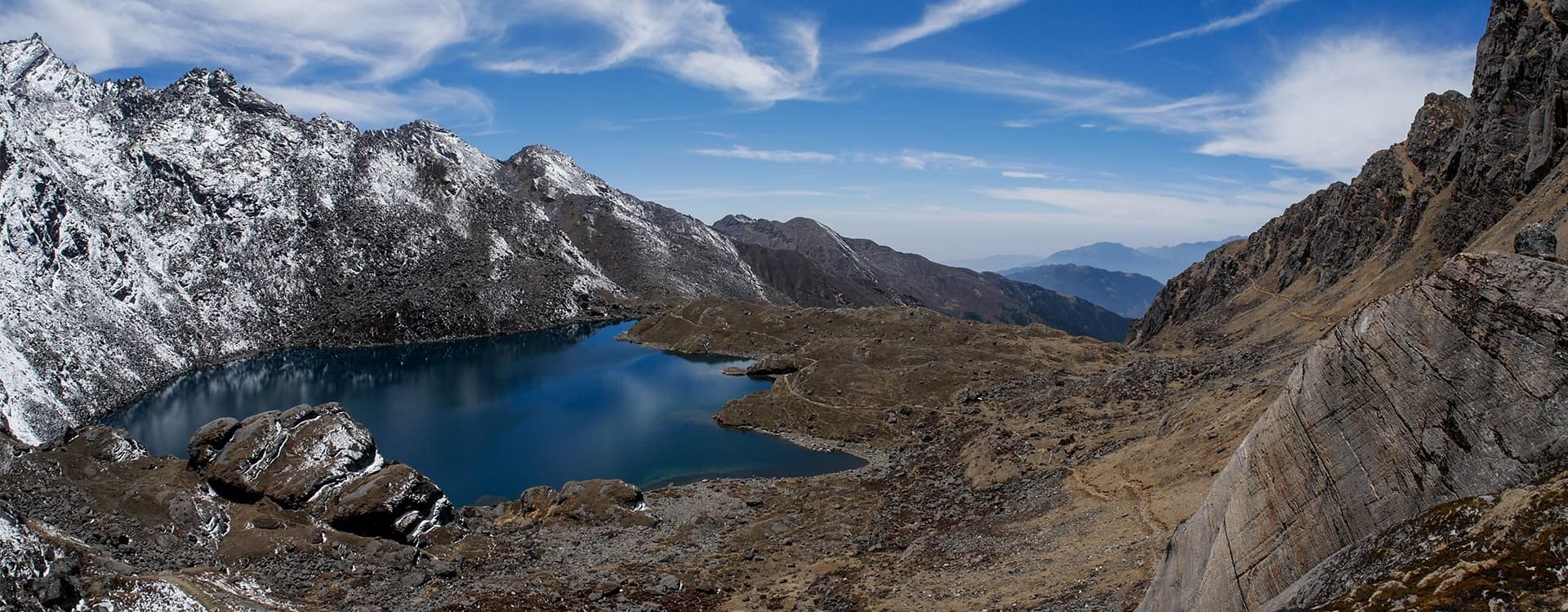
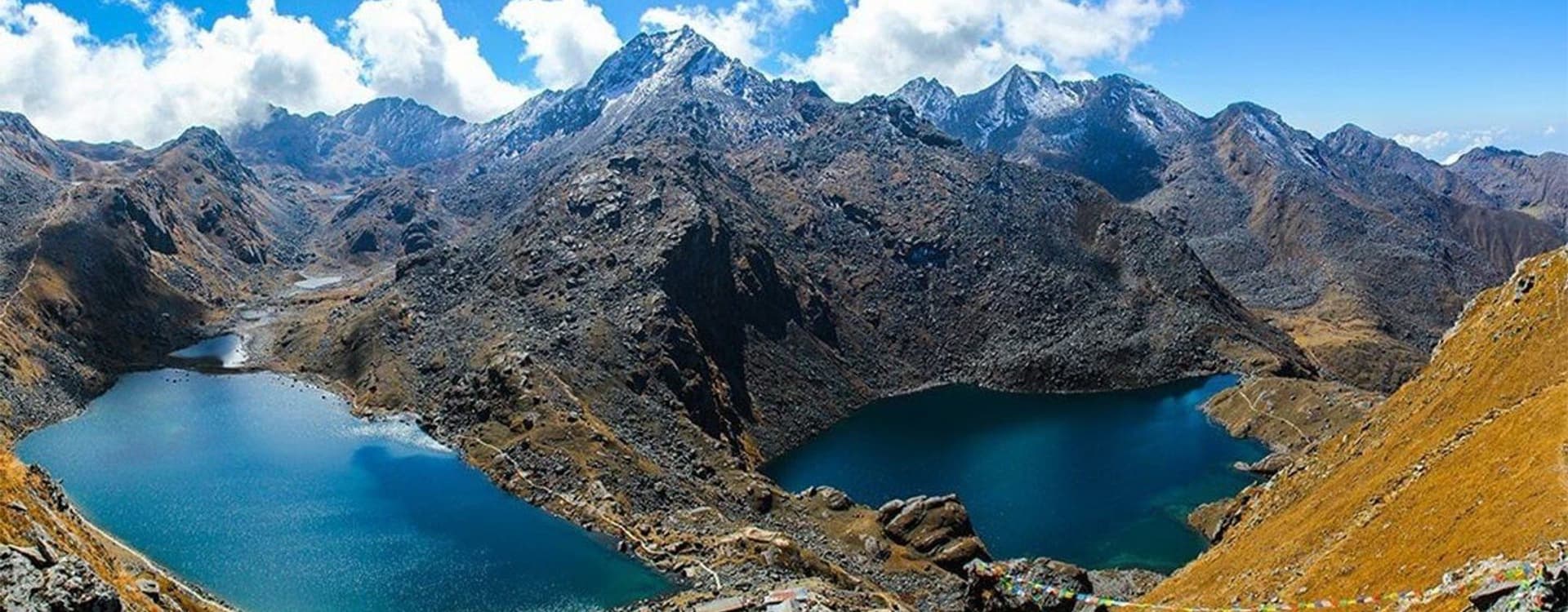
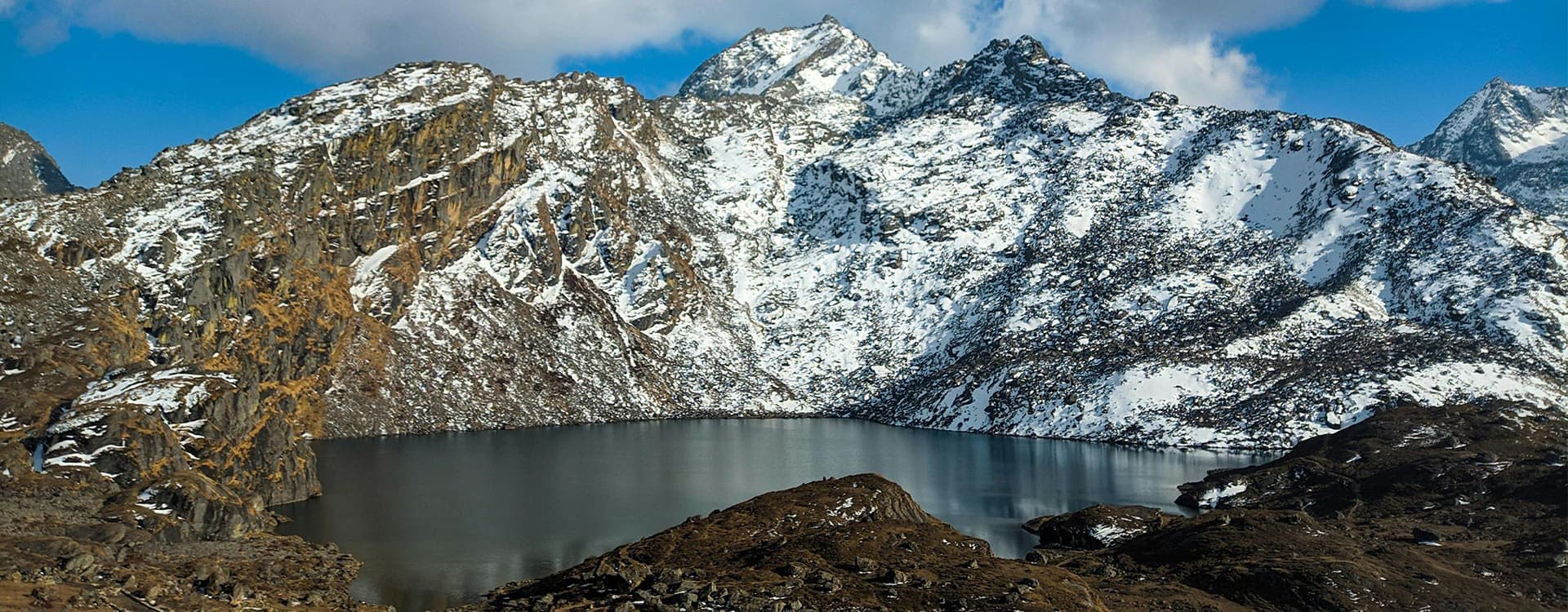
  • Sacred Gosaikunda Lakes: Visit the spiritually charged alpine lakes at 4,380 meters, a revered pilgrimage site where the crystal-clear waters reflect the jagged Himalayan peaks.

  • Lauribina Pass Conquest: Challenge yourself by crossing the high-altitude Lauribina Pass (4,610 m), offering unparalleled 360-degree panoramas that stretch from the Annapurnas to the peaks of Tibet.

  • Spiritual Sanctuary of Kyanjin Gompa: Explore the ancient Buddhist monastery and the famous local yak cheese factory set against the dramatic backdrop of Langtang Lirung.

  • Rich Cultural Tapestry: Experience the resilient spirit and warm hospitality of the Tamang and Sherpa communities, deeply influenced by Tibetan Buddhist traditions.

  • Diverse Ecosystems: Journey through a vibrant spectrum of landscapes, from lush subtropical rhododendron and bamboo forests—home to the endangered red panda—to stark alpine meadows.

  • "Valley of Glaciers" Panoramas: Witness breathtaking views of the Langtang massif, including Langtang Lirung (7,234 m), Ganesh Himal, and the surrounding glacier-carved valleys.

  • Off-the-Beaten-Path Serenity: Enjoy a quieter, more intimate trekking experience compared to the busier Everest or Annapurna routes, allowing for a deeper connection with nature.

  • Traditional Teahouse Experience: Stay in authentic mountain lodges, sharing stories by wood-burning stoves and enjoying locally prepared meals like Dal Bhat and Thukpa.

Expedition Narrative

About Langtang Gosaikunda Trek — 14 days

The Langtang Gosaikunda Trek is not merely a destination; it is a profound narrative written in the shadows of the world’s highest peaks. This journey is a rare tapestry woven from the threads of raw Himalayan wilderness, ancient Buddhist traditions, and the sacred echoes of Hindu mythology. While many are drawn to the commercial heights of Everest or the vast circuits of Annapurna, those who choose Langtang find themselves in a more intimate, "hidden" Nepal. It is a region where the mountains don’t just loom over you—they embrace you. This 14-day odyssey takes you from the verdant, moss-draped forests of the Langtang Valley to the high-altitude, ethereal sanctuary of the Gosaikunda Lakes, offering a spiritual and physical challenge that transforms every traveler who sets foot on its ancient trails.

The Heartbeat of the Valley: Culture and Resilience

The journey begins with a transition from the chaotic energy of Kathmandu to the rhythmic, quiet life of the mountains. As you trek through the Langtang Valley, you are walking through a living history. This valley was deeply impacted by the 2015 earthquake, and the "human touch" is felt most poignantly here. The stone-built villages like Lama Hotel and Mundu are symbols of incredible human resilience. To stay in a local teahouse is to participate in their story; it is the warmth of the wood-burning stove on a freezing night, the steam rising from a bowl of Thukpa, and the genuine, weathered smiles of your Tamang hosts.

The cultural immersion reaches its zenith at Kyanjin Gompa. Surrounded by the Langtang Lirung massif, this ancient monastery serves as the spiritual anchor of the valley. Here, the air is thick with the scent of juniper incense and the low hum of monks chanting. You aren’t just a tourist here; you are a witness to a way of life that has remained largely unchanged for centuries, where the wealth of the people is measured in community and faith rather than material goods.

The Pilgrimage to the Sacred Waters

As the trail turns away from the valley and climbs toward the heavens, the landscape undergoes a dramatic metamorphosis. The lush rhododendron forests, home to the elusive red panda and the colorful Himalayan Monal, give way to a stark, lunar world of rock and ice. This is the path to Gosaikunda, a place that transcends the physical. For Hindus, these lakes are the site where Lord Shiva thrust his trident into the mountainside to create cold water to quench his thirst.

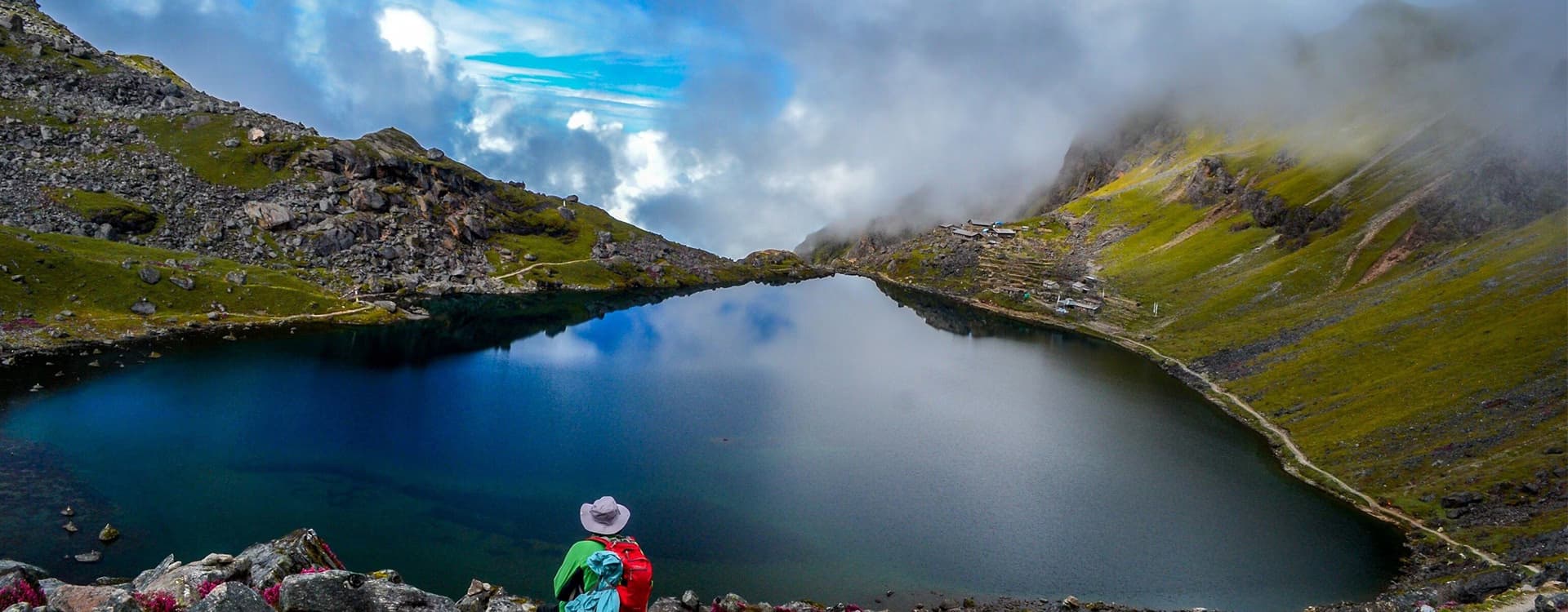
Arriving at the shores of the turquoise lake at 4,380 meters is a sensory overload. The silence is absolute, broken only by the occasional distant crack of a glacier or the fluttering of prayer flags. The "human touch" here is found in the shared silence between trekkers and pilgrims alike—a mutual recognition of the sublime. The water reflects the jagged peaks like a mirror, and as the sun sets, the entire basin turns a deep, bruised purple, making you feel as though you’ve stepped off the edge of the modern world and into a timeless dream.

The Ultimate Vista: Crossing the Lauribina Pass

The physical crescendo of the trek is the crossing of the Lauribina Pass (4,610 m). This is where the grit of the trekker is truly tested. Every step toward the chorten at the top is a conscious battle with the thin air, but the reward is perhaps the most expansive view in all of Nepal. Standing at the pass, the horizon stretches from the Annapurna and Dhaulagiri ranges in the west to the towering peaks of Tibet in the north. Looking down, the trio of lakes—Saraswati Kunda, Bhairab Kunda, and Gosaikunda—sparkle like jewels dropped into a bowl of stone.

A Gentle Return Through Helambu

The descent takes you through the misty, enchanting region of Helambu. Here, the trek softens. The rugged high-altitude terrain transitions back into terraced hillsides, apple orchards, and the vibrant Sherpa culture of villages like Melamchi Gaon and Tarke Gyang. This final leg of the journey allows for a slow "thaw" from the high-altitude intensity, giving you time to process the vastness of what you’ve just experienced.

This trek is for the wanderer who seeks to understand the heart of the Himalaya. It is a journey for those who want to feel the weight of history, the power of nature, and the warmth of a shared meal in a remote mountain hut. By the time you return to the valley floor, you carry with you more than just photographs; you carry a piece of the mountain’s stillness and the enduring spirit of its people.

Day-by-Day Plan

Detailed Itinerary Langtang Gosaikunda Trek — 14 days

Tailor This Journey

This provides a generalized view of our expedition flow. We specialize in bespoke adjustments based on season, group size, and personal pace to ensure your Himalayan experience is flawless.

Request Customization
  • Day 01

    Arrival in Kathmandu and Transfer to Hotel

    Upon arrival at Kathmandu’s Tribhuvan International Airport, you are welcomed by our representative and transferred to your hotel. Kathmandu is a vibrant blend of history, culture, and bustling streets. In the evening, enjoy a trek briefing covering the Langtang Gosaikunda route, cultural highlights, equipment checks, and safety measures. This day allows you to relax, explore Thamel, or shop for any last-minute trekking gear. Overnight at the hotel.

    • MealsDinner
    • Accommodation3-star hotel
    • Travel Duration20–30 minutes
    • Travel DistanceApprox. 6–8 km
    • RouteTU airport to Kathmandu hotel
    • TransportationPrivate vehicle
    • Elevation to 1,400 m / 4,593 ft
  • Day 02

    Drive from Kathmandu to Syabru Besi

    After breakfast, enjoy a scenic drive to Syabru Besi, passing terraced fields, rural villages, and the Trishuli River. The road winds through mountain valleys and offers your first glimpse of the Himalayas. Syabru Besi is a peaceful village and a gateway to Langtang National Park. Check into your guesthouse and relax, preparing for the trek ahead. Overnight at a guesthouse.

    • Meals Breakfast, Lunch & Dinner
    • AccommodationGuesthouse
    • Travel Duration7–9 hours
    • Travel DistanceApprox. 120 km
    • RouteKathmandu to Syabru Besi
    • TransportationPrivate tourist vehicle
    • Elevation1,400 m / 4,593 ft to 1,503 m / 4,931 ft
  • Day 03

    Trek from Syabru Besi to Lama Hotel

    The trail begins gently, following the Langtang River through lush bamboo and rhododendron forests. You’ll pass traditional Tamang villages, suspension bridges, and flowing streams. The scenery alternates between dense forests and open river valleys, offering glimpses of distant peaks. Lama Hotel sits peacefully amidst greenery, providing cozy tea houses and welcoming locals. Overnight at a guesthouse.

    • Meals Breakfast, Lunch & Dinner
    • AccommodationGuesthouse
    • Travel Duration5–6 hours
    • Travel DistanceApprox. 12 km
    • RouteSyabru Besi to Lama Hotel
    • TransportationTrekking on foot
    • Elevation1,503 m / 4,931 ft to 2,500 m / 8,202 ft
  • Day 04

    Trek from Lama Hotel to Langtang Village

    The trail steadily climbs, offering spectacular views of Langtang Lirung. Pass through dense forests and charming Tamang settlements, experiencing local culture and hospitality. Langtang Village is a small Himalayan community with tea houses, stone houses, and panoramic views of towering peaks. The area is serene, perfect for acclimatization and taking in the beauty of the Langtang valley. Overnight at a guesthouse.

    • Meals Breakfast, Lunch & Dinner
    • AccommodationGuesthouse
    • Travel Duration5–6 hours
    • Travel DistanceApprox. 10 km
    • RouteLama Hotel to Langtang Village
    • TransportationTrekking on foot
    • Elevation2,500 m / 8,202 ft to 3,430 m / 11,253 ft
  • Day 05

    Trek from Langtang Village to Kyanjin Gompa

    The trail ascends gradually, revealing awe-inspiring views of Langtang Lirung. Kyanjin Gompa, a historic monastery, sits on a ridge surrounded by snowy peaks. The village is famous for yak cheese and traditional stone houses. Spend the day exploring local culture, visiting the monastery, and taking photographs of the majestic mountains. Overnight at a guesthouse.

    • Meals Breakfast, Lunch & Dinner
    • AccommodationGuesthouse
    • Travel Duration4–5 hours
    • Travel DistanceApprox. 8 km
    • RouteLangtang Village to Kyanjin Gompa
    • TransportationTrekking on foot
    • Elevation3,430 m / 11,253 ft to 3,830 m / 12,566 ft
  • Day 06

    Acclimatization and Exploration Day at Kyanjin Gompa

    Use this day to acclimatize. Optional hikes to Kyanjin Ri or Tserko Ri reward you with panoramic views of Langtang Lirung, Gangchempo, and surrounding peaks. The crisp mountain air, alpine meadows, and glaciers provide an unforgettable high-altitude experience. Return to Kyanjin Gompa for the evening, enjoying the peaceful village atmosphere. Overnight at a guesthouse.

    • Meals Breakfast, Lunch & Dinner
    • AccommodationGuesthouse
    • Travel Duration4–6 hours
    • Travel DistanceOptional hikes approx. 6–10 km
    • RouteKyanjin Gompa to Kyanjin Ri / Tserko Ri (optional)
    • TransportationTrekking on foot
    • Elevation3,830 m / 12,566 ft to 4,700–4,900 m / 15,420–16,076 ft
  • Day 07

    Trek Back from Kyanjin Gompa to Lama Hotel

    Retrace your steps through alpine meadows and rhododendron forests. Descending gradually allows your legs to recover while enjoying familiar villages and tea houses. Lama Hotel provides comfortable rest and a chance to reflect on the stunning landscapes you have experienced. Overnight at a guesthouse.

    • Meals Breakfast, Lunch & Dinner
    • AccommodationGuesthouse
    • Travel Duration5–6 hours
    • Travel DistanceApprox. 8 km
    • RouteKyanjin Gompa to Lama Hotel
    • TransportationTrekking on foot
    • Elevation3,830 m / 12,566 ft to 2,500 m / 8,202 ft
  • Day 08

    Trek from Lama Hotel to Thulo Syabru

    Entering the Helambu region, the trail passes forests, rivers, and small rural villages. Helambu is famous for its Buddhist monasteries, red-painted houses, and terraced fields. The area feels more agricultural and inhabited compared to Langtang, offering insight into local lifestyle and culture. Overnight at a guesthouse.

    • Meals Breakfast, Lunch & Dinner
    • AccommodationGuesthouse
    • Travel Duration5–6 hours
    • Travel DistanceApprox. 10 km
    • RouteLama Hotel to Thulo Syabru
    • TransportationTrekking on foot
    • Elevation2,500 m / 8,202 ft to 2,230 m / 7,316 ft
  • Day 09

    Trek from Thulo Syabru to Sing Gompa

    The trail climbs gradually through forests and farmland, offering spectacular views of surrounding ridges and peaks. Sing Gompa is known for its monastery and yak cheese production. The village has a peaceful, spiritual atmosphere, perfect for evening reflection. Overnight at a guesthouse.

    • Meals Breakfast, Lunch & Dinner
    • AccommodationGuesthouse
    • Travel Duration6–7 hours
    • Travel DistanceApprox. 12 km
    • RouteThulo Syabru to Sing Gompa
    • TransportationTrekking on foot
    • Elevation2,230 m / 7,316 ft to 3,330 m / 10,925 ft
  • Day 10

    Trek from Sing Gompa to Gosaikunda Lake

    Today, you reach the sacred Gosaikunda Lake, nestled in an alpine valley surrounded by snow-capped peaks. The lake is culturally significant in both Hindu and Buddhist traditions. Panoramic views of surrounding mountains make this day one of the highlights of the trek. Overnight at a guesthouse near the lake.

    • Meals Breakfast, Lunch & Dinner
    • AccommodationGuesthouse
    • Travel Duration6–7 hours
    • Travel DistanceApprox. 12 km
    • RouteSing Gompa to Gosaikunda Lake
    • TransportationTrekking on foot
    • Elevation3,330 m / 10,925 ft to 4,380 m / 14,370 ft
  • Day 11

    Explore Gosaikunda Area and Nearby Lakes

    Spend the day exploring Gosaikunda and surrounding high-altitude lakes. Optional hikes offer breathtaking views of Ganesh Himal and Langtang Lirung. The area is peaceful, ideal for reflection and photography. Return to the guesthouse for rest and acclimatization.

    • Meals Breakfast, Lunch & Dinner
    • AccommodationGuesthouse
    • Travel Duration4–5 hours
    • Travel DistanceOptional hikes 5–8 km
    • RouteGosaikunda Lake to Nearby lakes / alpine ridges
    • TransportationTrekking on foot
    • Elevation4,380 m / 14,370 ft to 4,400–4,500 m / 14,435–14,764 ft
  • Day 12

    Trek from Gosaikunda to Dhunche

    Descend through scenic trails along valleys and forests. The trek gradually returns you to populated areas with terraced fields and local villages. Dhunche is a quiet town offering comfortable guesthouses and restaurants. Overnight at a guesthouse.

    • Meals Breakfast, Lunch & Dinner
    • AccommodationGuesthouse
    • Travel Duration6–7 hours
    • Travel DistanceApprox. 15 km
    • RouteGosaikunda to Dhunche
    • TransportationTrekking on foot
    • Elevation4,380 m / 14,370 ft to 1,960 m / 6,430 ft
  • Day 13

    Drive from Dhunche to Kathmandu

    After breakfast, drive back to Kathmandu, enjoying mountain views along the Trishuli Valley. In the evening, a farewell dinner celebrates the completion of your trek, sharing stories and memories from the journey. Overnight at a hotel.

    • Meals Breakfast, Lunch & Dinner
    • Accommodation3-star hotel
    • Travel Duration6–7 hours
    • Travel DistanceApprox. 120 km
    • RouteDhunche to Kathmandu
    • TransportationPrivate tourist vehicle
    • Elevation1,960 m / 6,430 ft to 1,400 m / 4,593 ft
  • Day 14

    Transfer to Tribhuvan International Airport for Final Departure

    On your final day, you are transferred to the airport for your onward journey, carrying memories of alpine lakes, towering peaks, Tamang and Helambu cultures, and the serene landscapes of Langtang and Gosaikunda.

    • MealsBreakfast
    • Travel Duration20–30 minutes
    • Travel DistanceApprox. 6–8 km
    • RouteKathmandu hotel to TU airport
    • TransportationPrivate vehicle
    • Elevation1,400 m / 4,593 ft
Trip Investment

Cost Includes

Accommodation

  • Twin-sharing accommodation in a 3-star hotel in Kathmandu for 2 nights, including breakfast.

  • Twin-sharing teahouse/guesthouse accommodation during the trek for 11 nights across the Langtang Valley and Gosaikunda region.

Meals & Drinking Water

  • All standard meals during the trek (11 breakfasts, 11 lunches, and 11 dinners).

  • One hot drink (tea or coffee) with each meal and seasonal fruits when available.

  • Safe drinking water during the trek using water filtration systems or purification tablets.

Transportation & Ground Travel

  • All airport transfers in Kathmandu by private or tourist vehicle.

  • Ground transportation from Kathmandu to Syabrubesi (trek starting point) and from Dhunche or Sundarijal (trek ending point) back to Kathmandu by shared tourist vehicle, as per itinerary.

Guide & Trekking Staff

  • Experienced, government-licensed, English-speaking trekking guide trained in first aid and high-altitude safety.

  • Porters during the trek (1 porter for every 2 trekkers).

  • All wages, accommodation, meals, equipment, insurance, and medical supplies for trekking staff.

Permits & Documentation

Langtang National Park Entry Permit.

  • TIMS (Trekkers’ Information Management System) card.

  • All required local and government trekking permits.

Safety & Additional Benefits

  • Comprehensive first-aid kit, including an oximeter to monitor oxygen saturation and pulse.

  • Trekking map and detailed pre-trip briefing.

  • Trip completion certificate from Himalayan Ripple.

Administrative & Taxes

  • All government taxes, service charges, and administrative expenses.

Exclusions

Cost Excludes

  • Nepal entry visa fees.

  • Travel and medical insurance, including high-altitude trekking and emergency evacuation coverage.

  • Lunches and dinners in Kathmandu.

  • Personal expenses such as snacks, bottled drinks, hot showers, Wi-Fi, device charging, and laundry during the trek.

  • Alcoholic beverages and soft drinks.

  • Personal trekking equipment and clothing.

  • Tips for guide, porter, and trekking staff (customary but optional).

  • Extra accommodation, meals, or transportation due to early arrival, late departure, or unforeseen circumstances such as weather delays, landslides, or health issues.

  • Any expenses not specifically mentioned under Cost Includes.

Essential Briefing

Know Before You Go

Navigating Altitude: The Challenge of the High Passes

One of the most critical aspects of the Langtang Gosaikunda journey is understanding the physiological demands of high-altitude trekking. As you ascend beyond 2,500 meters, the risk of Acute Mountain Sickness (AMS) becomes a tangible reality that affects everyone differently, regardless of physical fitness. Your safety is our highest priority, which is why our itineraries are designed with a "climb high, sleep low" philosophy.

Human Touch Note: We encourage a culture of transparency on the trail. If you feel a persistent headache, dizziness, or a loss of appetite, it is vital to communicate with your guide immediately. There is no "toughing it out" at 4,610 meters on the Lauribina Pass; we view every decision through the lens of your well-being, whether that means slowing the pace or adding an extra day for your body to find its rhythm with the thin mountain air.

The Sanctuary of the Teahouse: Accommodation & Meals

Throughout your trek, your home will be the traditional mountain teahouses—simple, stone-built lodges that offer a warm respite from the elements. These lodges are the heartbeat of the trek, where hikers from around the world gather around a central wood-burning stove to share stories and a hot cup of lemon-ginger-honey tea.

  • Accommodation: Expect cozy but basic twin-sharing rooms. While lower villages may offer luxuries like Wi-Fi or hot showers for a small fee, as you climb higher toward Gosaikunda, the facilities become more rustic. A high-quality 4-season sleeping bag is essential, as temperatures in these unheated rooms can drop significantly after sunset.

  • Dining: We prioritize nutrition that fuels your endurance. You will enjoy a variety of meals, from the legendary Dal Bhat (which comes with endless refills to keep your energy high) to Tibetan specialties like Thukpa (noodle soup) and Momos. In Kathmandu, you will stay in a comfortable 2-3 star category hotel, providing a peaceful transition before and after your wilderness experience.

Best Seasons: Timing Your Journey

The timing of your trek dramatically alters the landscape you will experience.

  • Spring (March to May): This is the season of color. The forests are alive with blooming rhododendrons, and the weather is generally stable with mild temperatures.

  • Autumn (September to November): Regarded as the "Gold Standard" for trekking, the post-monsoon air is incredibly clear, offering the sharpest, most breathtaking views of the Langtang Lirung and Ganesh Himal ranges.

  • Winter & Monsoon: While treks are possible in winter, the Lauribina Pass may be closed due to heavy snow, and the monsoon brings leeches and obscured views, making it a choice only for the most seasoned adventurers.

Safety, Insurance, and Professional Support

No high-altitude adventure should be undertaken without comprehensive travel insurance that specifically covers emergency helicopter evacuation up to 5,000 meters. The remote nature of the Gosaikunda region means that in the event of a serious injury or severe AMS, a helicopter is the only reliable way to reach medical facilities in Kathmandu.

Your team will consist of a Government Licensed Guide and professional Sherpa porters (typically one porter for every two trekkers). These individuals are not just there to carry gear or point the way; they are your cultural ambassadors, your safety net, and your biggest cheerleaders as you push toward the summit.

Sustainable Trekking & Cultural Etiquette

We believe in leaving the mountains as we found them. We advocate for Leave No Trace principles: please avoid purchasing bottled water when possible and instead use water purification tablets or UV filters with the boiled water provided at lodges. When visiting sacred sites like Kyanjin Gompa or the Gosaikunda Lakes, always walk clockwise around mani walls and chortens as a sign of respect for local Buddhist and Hindu traditions.

Booking & Financial Transparency

Following our standard procedure, we require a 20% advance payment to secure your departure dates and permits. The remaining 80% is due upon your arrival in Kathmandu and can be paid via credit card, bank transfer, or cash. We also ask for a copy of your passport and flight details early on so we can streamline the paperwork and ensure your arrival is as smooth and welcoming as the trek itself.

Expert Guidance

FAQs

Trek Overview & Difficulty

  • Q.01:How challenging is the Langtang Gosaikunda Trek?

    The Langtang Gosaikunda Trek is a moderate to moderately challenging Himalayan trek that combines scenic valley walks with high-altitude lake exploration. Daily trekking hours usually range from 5 to 7 hours, with gradual ascents and a few demanding sections near Gosaikunda Lake and surrounding passes. While it does not require technical climbing skills, a good level of fitness and determination is essential.
  • Yes, this trek is suitable for beginners who are physically fit and prepared for multi-day hiking. The itinerary is carefully designed with gradual altitude gain and acclimatization days, making it achievable for first-time trekkers with proper preparation and guidance.
  • Most trekking days involve 5 to 7 hours of walking, depending on terrain, altitude, and weather conditions. Some days are shorter to allow for acclimatization, while others involve longer ascents or descents between villages.
  • The trail includes forest paths, stone staircases, rocky alpine sections, river crossings, and high-altitude landscapes near sacred lakes. You will trek through rhododendron and pine forests, glacial valleys, yak pastures, and rugged Himalayan terrain.
  • The Langtang Gosaikunda Trek offers a perfect balance of both. You’ll experience stunning Himalayan scenery alongside deep cultural immersion in Tamang and Tibetan-influenced villages, monasteries, prayer flags, and traditional lifestyles.

Altitude & Acclimatization

  • The highest point of the trek is Gosaikunda Lake at approximately 4,380 meters above sea level. Some nearby viewpoints and passes may be slightly higher depending on the chosen route and conditions.
  • Acclimatization is managed through gradual altitude gain, strategically placed rest days, and shorter trekking hours at higher elevations. Guides closely monitor trekkers’ health and adjust pacing when necessary to reduce altitude-related risks.
  • Altitude sickness can occur above 3,000 meters, but the risk is minimized through proper acclimatization, hydration, and pacing. Guides are trained to recognize symptoms early and take appropriate action if needed.
  • Guides carry a comprehensive first-aid kit, oximeter, and emergency protocols. If symptoms worsen, immediate descent is arranged, and evacuation is coordinated when necessary.
  • Mild symptoms such as headache or fatigue are common and usually manageable with rest and hydration. However, trekking continues only if symptoms do not worsen and the guide deems it safe.

Best Time & Weather

  • The best seasons are spring (March to May) and autumn (September to November). These periods offer stable weather, clear mountain views, and comfortable trekking temperatures.
  • Spring brings blooming rhododendron forests, colorful landscapes, and moderate temperatures. It is an excellent time for photography and nature lovers.
  • Autumn offers crystal-clear mountain views, dry trails, and festive cultural vibes following major Nepali festivals. It is considered the most popular trekking season.
  • Winter trekking is possible but challenging due to snow-covered trails, freezing temperatures, and limited teahouse availability near Gosaikunda. It is recommended only for experienced trekkers.
  • The monsoon season brings lush greenery and fewer crowds but also rain, leeches, slippery trails, and occasional landslides. Mountain views may be limited.

Accommodation & Meals

  • Accommodation is in local teahouses and guesthouses on a twin-sharing basis. Rooms are simple but comfortable, with shared bathrooms in most places and basic amenities.
  • Private rooms may be available at lower altitudes, depending on availability, but cannot be guaranteed at higher elevations where teahouse options are limited.
  • Meals include traditional Nepali dishes like dal bhat, as well as Tibetan and simple Western options such as noodles, soups, potatoes, pasta, rice, eggs, and seasonal vegetables.
  • Yes, vegetarian meals are widely available and recommended at higher altitudes for easier digestion.
  • Drinking water is made safe using filtration systems or purification tablets. Bottled water is discouraged to reduce plastic waste in the mountains.

Permits & Documentation

  • You need a Langtang National Park Entry Permit and a TIMS card. All permits are arranged by Himalayan Ripple before the trek begins.
  • Yes, permits must be carried at all times, as they are checked at various entry points and checkpoints along the trail.
  • Most travelers can obtain a Nepal tourist visa on arrival at Tribhuvan International Airport or from Nepali embassies abroad.
  • A copy of your passport and visa is sufficient, but keeping the original securely stored is recommended.

Guide, Porter & Safety

  • Yes, trekking with a licensed guide is mandatory under Nepalese regulations. Guides also ensure safety, cultural insight, and smooth logistics throughout the trek.
  • Porters are provided on a shared basis, typically one porter for every two trekkers, ensuring comfort and reduced physical strain.
  • A porter carries a maximum of 20–25 kg in total, meaning each trekker should limit their duffel bag to around 10–12 kg.
  • Yes, all guides are government-licensed and trained in first aid, altitude safety, and emergency evacuation procedures.
  • In case of serious illness or injury, immediate descent and evacuation are arranged using the safest and fastest means available, including helicopter rescue if required.

Packing & Preparation

  • Layered clothing suitable for varying temperatures is essential, including thermal wear, fleece, down jacket, waterproof outer layers, trekking pants, and warm accessories.
  • Good-quality trekking boots, a backpack, trekking poles, sleeping bag, and basic personal gear are recommended. Himalayan Ripple provides a detailed packing checklist before departure.
  • While not mandatory, regular walking, hiking, cardio, and leg-strengthening exercises before the trek will greatly enhance your experience.
  • Yes, trekking gear can be rented or purchased in Kathmandu, especially in areas like Thamel.

Culture, Religion & Responsible Travel

  • You will experience Tamang and Tibetan-influenced culture, ancient monasteries, mani walls, prayer wheels, and traditional village life.
  • Yes, Gosaikunda Lake is one of the most sacred pilgrimage sites for Hindus and Buddhists, especially during Janai Purnima. Visitors are expected to behave respectfully.
  • Respect local customs, dress modestly, ask permission before photographing people, and follow your guide’s cultural advice.
  • Himalayan Ripple emphasizes eco-friendly practices, supports local communities, discourages plastic use, and promotes sustainable tourism in the Langtang region.
Private Journey
$690/ Person
Group Size
Price P.P.
1 Pax
US$ 725
2 - 5 Pax
US$ 690
TravelersManage Group
1
Total Estimate1 × $725
US $725
Custom Itinerary
US$690Per Person
Book Now
© 2026 Himalayan Ripple

Boutique Himalayan Expeditions. Curated raw adventure blended with high-end hospitality. No part of this website may be reproduced without explicit permission.