logo
8 daysPrivate Trip Available

Langtang Valley Trek

Expedition Vitality

Trip Overview

  • AccommodationTea House
  • GradeModerate
  • MealsAs per itinerary
  • StyleTrekking
  • TransportationExcursion bus
  • Group SizeMin 1 Pax.
  • Max Altitude4,773m
  • Duration8 days
Discovery Journey

Experience Highlights

The Langtang Valley Trek offers a perfect blend of natural beauty, cultural immersion, and moderate trekking adventure.

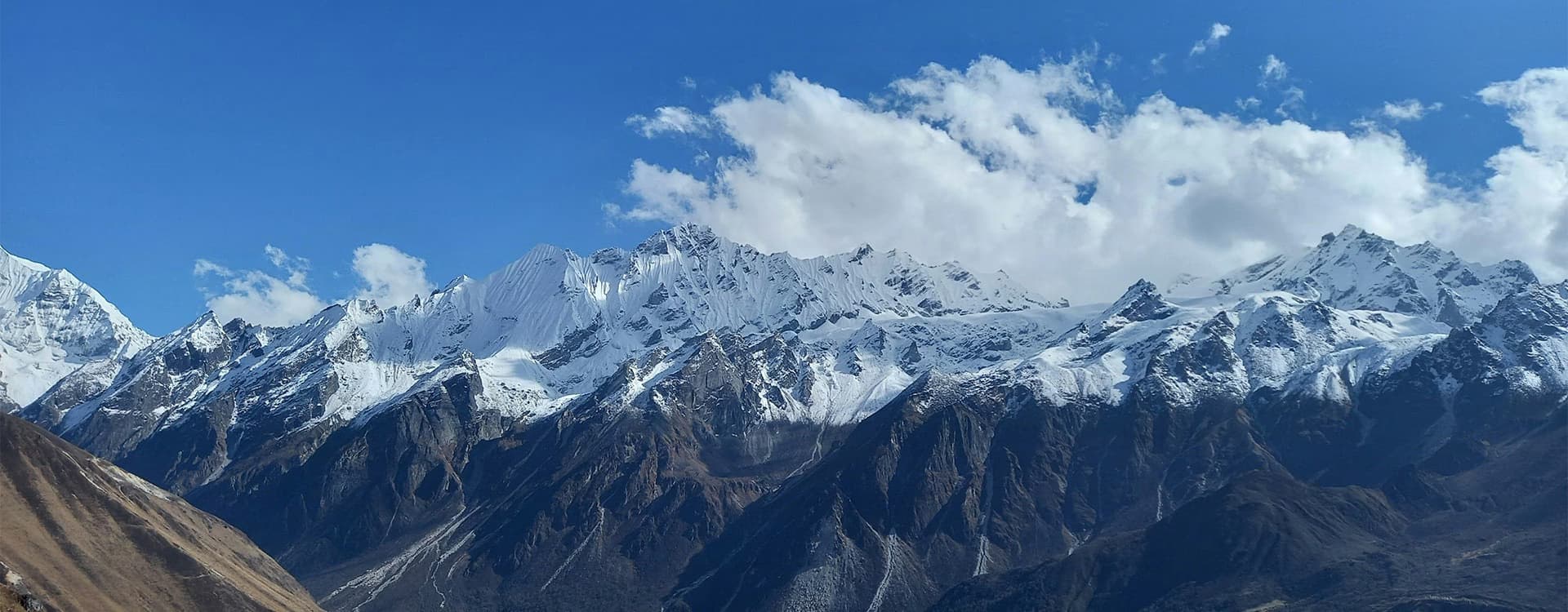
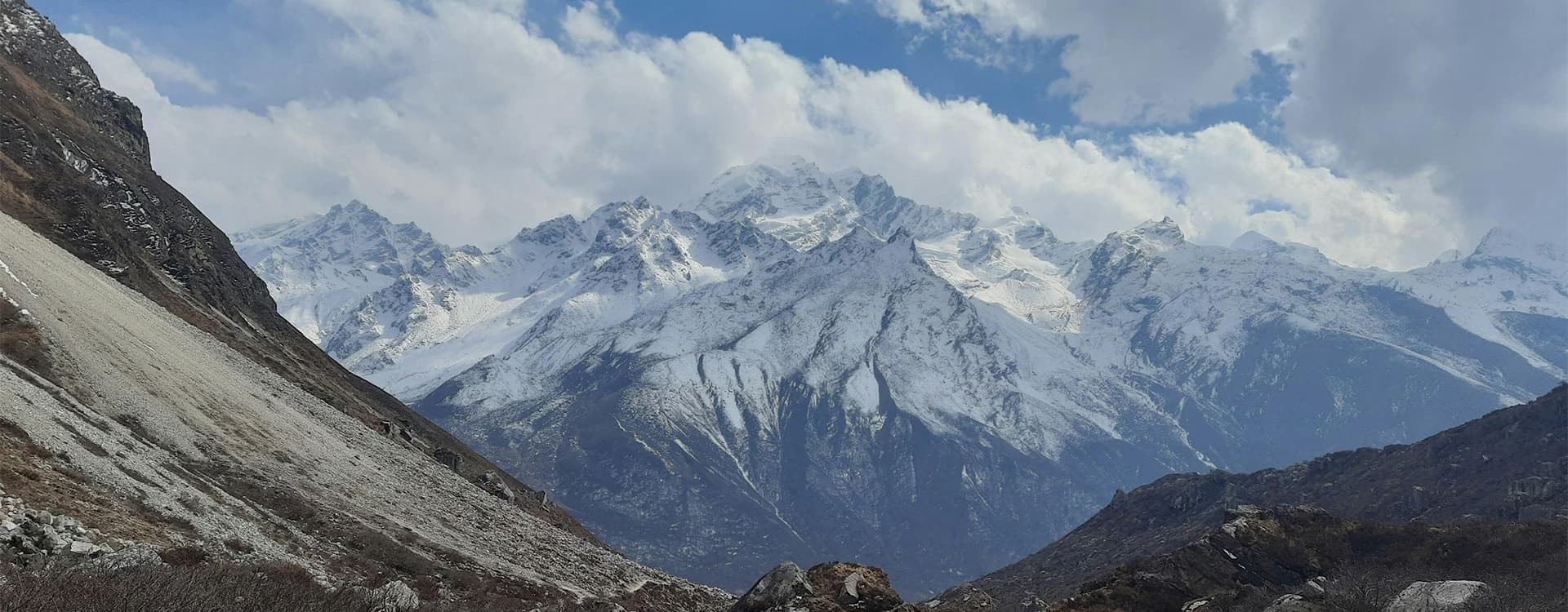
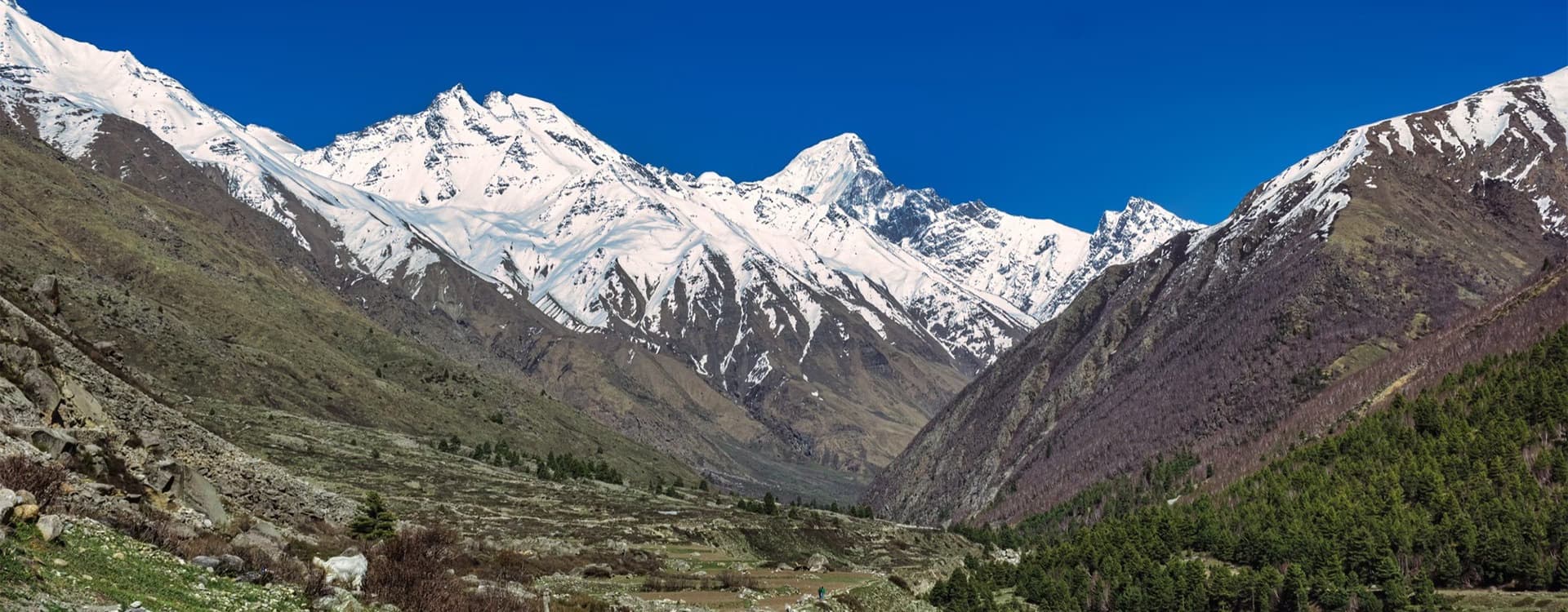
  • Stunning Himalayan Views: Enjoy panoramic vistas of Langtang Lirung (7,227 m), Dorje Lakpa, Ganesh Himal, and Yala Peak, glacial valleys, and alpine meadows.

  • Cultural Experiences: Explore traditional Tamang villages, ancient monasteries, mani walls, and fluttering prayer flags that showcase the region’s rich Tibetan-influenced culture.

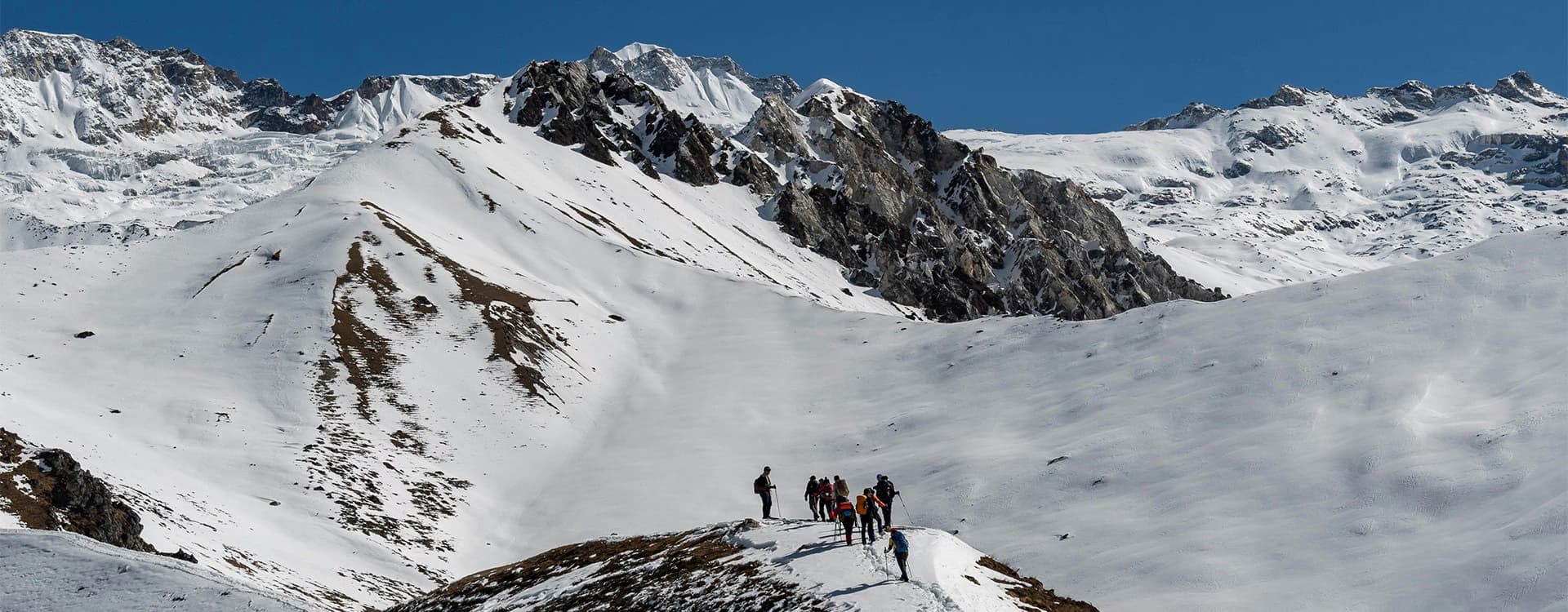
  • Kyanjin Gompa & Optional Hikes: Visit the spiritual heart of the valley at Kyanjin Gompa, with optional hikes to Kyanjin Ri or Tserko Ri for breathtaking views of surrounding peaks and glaciers.

  • Lush Forests & Wildlife: Trek through rhododendron, oak, and bamboo forests, spotting Himalayan birds and the elusive red panda.

  • Teahouse Stays & Local Cuisine: Enjoy cozy teahouses with traditional Nepali meals, warm hospitality, and a chance to experience authentic mountain life.

  • Accessible & Moderate Trek: With gradual altitude gain and manageable trails, it’s suitable for beginners, families, and trekkers seeking a short yet immersive Himalayan journey.

Expedition Narrative

About Langtang Valley Trek — 8 days

The Langtang Valley Trek is one of Nepal’s most scenic and culturally rich Himalayan adventures, offering trekkers an unforgettable journey through pristine valleys, lush forests, traditional villages, and breathtaking high-altitude landscapes. Nestled just north of Kathmandu, the Langtang region lies within Langtang National Park, Nepal’s first Himalayan national park, and is renowned for its dramatic mountains, glaciers, and biodiversity. This trek is an ideal choice for travelers seeking an authentic Himalayan experience away from the crowded trails of Everest and Annapurna, without compromising on stunning natural beauty and cultural encounters.

The trek begins with a scenic drive from Kathmandu to Syabrubesi, a journey that winds through terraced hills, rivers, and small villages, offering a glimpse into rural Nepali life. From Syabrubesi, the trail follows the Langtang River, gradually ascending through forests of rhododendron, oak, bamboo, and pine. Along the way, trekkers pass through traditional Tamang villages, experiencing first-hand the rich Tibetan-influenced culture, vibrant prayer flags, mani walls, and ancient monasteries that give the valley its spiritual charm. The warm hospitality of the locals, their centuries-old traditions, and their resilient lifestyle add a unique cultural dimension to the trekking experience.

As trekkers ascend deeper into the valley, the landscape transforms dramatically. Towering peaks such as Langtang Lirung (7,227 m), Dorje Lakpa, Ganesh Himal, and Yala Peak dominate the skyline, while alpine meadows, glacial moraines, and sparkling streams create a spectacular setting. The trek offers multiple viewpoints that provide awe-inspiring panoramas of snow-capped summits and the surrounding Himalayan giants. The journey culminates at Kyanjin Gompa, a historic Buddhist monastery and the spiritual heart of the valley. Here, trekkers can explore the monastery, visit local cheese factories, and take optional hikes to Kyanjin Ri or Tserko Ri, which provide unmatched panoramic views of the Langtang region’s high mountains and glacial valleys.

The Langtang Valley Trek is more than a physical journey—it is a blend of cultural immersion, adventure, and personal exploration. The moderate difficulty of the trek, combined with gradual altitude gain and well-established teahouse accommodation, makes it suitable for beginners, solo travelers, families, and seasoned trekkers looking for a short but enriching Himalayan experience. Trekkers are rewarded with a harmonious mix of natural beauty, spiritual insights, and encounters with Nepal’s diverse flora and fauna, including the elusive red panda.

At Himalayan Ripple, we focus on providing safe, well-organized, and authentic trekking experiences. Our experienced local guides ensure that every aspect of your journey—from acclimatization and route guidance to cultural interactions and safety—is handled professionally. The Langtang Valley Trek offers an extraordinary opportunity to experience Nepal’s Himalayan splendor in a compact itinerary, combining adventure, culture, and nature in a way that leaves lasting memories for every traveler.

Day-by-Day Plan

Detailed Itinerary Langtang Valley Trek — 8 days

Tailor This Journey

This provides a generalized view of our expedition flow. We specialize in bespoke adjustments based on season, group size, and personal pace to ensure your Himalayan experience is flawless.

Request Customization
  • Day 01

    Arrival in Kathmandu – Gateway to the Himalayas

    Upon arrival at Tribhuvan International Airport, you are greeted by your guide and transferred to your hotel in Kathmandu. The bustling city, the scent of spices in the air, and the faint glimpse of snow-capped peaks in the distance immediately set the stage for your Himalayan adventure. The rest of the day is free to recover from your flight, explore Thamel’s lively streets, or enjoy a cup of Nepali tea. In the evening, a detailed trek briefing will cover your route, gear check, and essential tips for staying safe and comfortable at higher altitudes. Overnight at a comfortable hotel.

    • MealsDinner
    • Accommodation3 star hotel
    • Travel Duration20–30 minutes
    • Travel DistanceApprox. 6–8 km (airport transfer)
    • TransportationPrivate vehicle
    • Elevation to 1,400 m / 4,593 ft
  • Day 02

    Drive from Kathmandu to Syabru Besi

    After breakfast, depart Kathmandu by private vehicle along winding mountain roads that follow the Trishuli and Marshyangdi river valleys. En route, enjoy terraced fields, rural villages, and mountain scenery. Arrive in Syabru Besi, a small Sherpa town surrounded by forested hills. Take a short stroll around the village, interact with locals, and prepare for your trekking days. Overnight at a cozy guesthouse.

    • MealsBreakfast, Lunch & Dinner
    • AccommodationGuesthouse
    • Travel Duration7–9 hours
    • Travel DistanceApprox. 110 km
    • RouteKathmandu to Syabru Besi
    • TransportationTourist vehicle
    • Elevation1,400 m / 4,593 ft to 1,503 m / 4,931 ft
  • Day 03

    Trek from Syabru Besi to Lama Hotel

    The trek begins gently along the Langtang River, through pine, rhododendron, and oak forests. You will pass small villages adorned with prayer flags, and can observe the daily life of the local Sherpa and Tamang communities. Gradually climbing toward Lama Hotel, the air becomes cooler and the views of Langtang peaks become more prominent. Arrive in the afternoon and rest at the guesthouse.

    • MealsBreakfast, Lunch & Dinner
    • AccommodationGuesthouse
    • Travel Duration5–6 hours
    • Travel DistanceApprox. 12 km
    • RouteSyabru Besi to Lama Hotel
    • TransportationTrekking on foot
    • Elevation1,503 m / 4,931 ft to 2,500 m / 8,202 ft
  • Day 04

    Trek from Lama Hotel to Langtang Village

    The trail today climbs steadily through rhododendron and bamboo forests. Passing yak pastures and alpine meadows, the scenery gradually opens to reveal glacial moraines and towering peaks. Arrive in Langtang Village, one of the oldest settlements in the valley, where you can admire traditional stone houses, mani walls, and prayer flags fluttering in the breeze. Overnight at a guesthouse.

    • MealsBreakfast, Lunch & Dinner
    • AccommodationGuesthouse
    • Travel Duration5–6 hours
    • Travel DistanceApprox. 10 km
    • RouteLama Hotel to Langtang Village
    • TransportationTrekking on foot
    • Elevation2,500 m / 8,202 ft to 3,430 m / 11,253 ft
  • Day 05

    Trek from Langtang Village to Kyanjin Gompa

    The trail leads into the upper Langtang valley, past yak pastures and along streams. Surrounding peaks such as Langtang Lirung and Ganesh Himal dominate the skyline. Kyanjin Gompa is famous for its monastery and cheese-making tradition. Spend the afternoon exploring the village or taking short walks to nearby viewpoints. The serene valley atmosphere makes it a perfect high-altitude stop.

    • MealsBreakfast, Lunch & Dinner
    • AccommodationGuesthouse
    • Travel Duration4–5 hours
    • Travel DistanceApprox. 8 km
    • RouteLangtang Village to Kyanjin Gompa
    • TransportationTrekking on foot
    • Elevation3,430 m / 11,253 ft to 3,830 m / 12,562 ft
  • Day 06

    Acclimatization and Exploration Day at Kyanjin Gompa

    Spend the day acclimatizing and exploring the surrounding alpine landscape. Optional hike to Tserko Ri (4,984 m / 16,345 ft) for panoramic views of Langtang Lirung, Ganesh Himal, and surrounding glaciers. Observe local herders, yak pastures, and pristine mountain scenery. Return to Kyanjin Gompa for overnight rest.

    • MealsBreakfast, Lunch & Dinner
    • AccommodationGuesthouse
    • Travel Duration4–6 hours (optional hiking)
    • Travel DistanceOptional 3–5 km (short hikes)
    • TransportationTrekking on foot
    • Elevation to 3,830 m / 12,562 ft
  • Day 07

    Trek from Kyanjin Gompa Back to Lama Hotel

    Retrace your steps through alpine meadows and forests. Enjoy the valley from a descending perspective, with mountains rising above and the Langtang River below. Take breaks in teahouses along the way. Overnight at Lama Hotel guesthouse.

    • MealsBreakfast, Lunch & Dinner
    • AccommodationGuesthouse
    • Travel Duration5–6 hours
    • Travel DistanceApprox. 12 km
    • RouteKyanjin Gompa to Lama Hotel
    • TransportationTrekking on foot
    • Elevation3,830 m / 12,562 ft to 2,500 m / 8,202 ft
  • Day 08

    Trek from Lama Hotel to Syabru Besi

    Mostly downhill through rhododendron and pine forests, the trail opens to glimpses of the lower valley villages. Return to Syabru Besi, reflecting on the journey and enjoying the warmth of the village. Overnight at a guesthouse.

    • MealsBreakfast, Lunch & Dinner
    • AccommodationGuesthouse
    • Travel Duration5–6 hours
    • Travel DistanceApprox. 12 km
    • RouteLama Hotel to Syabru Besi
    • TransportationTrekking on foot
    • Elevation2,500 m / 8,202 ft to 1,503 m / 4,931 ft
  • Day 09

    Drive Back to Kathmandu

    Drive back through scenic valleys, rivers, and terraced fields. Stop for photos or refreshments as desired. Arrive in Kathmandu in the evening, check into your hotel, and enjoy your last night in the city.

    • MealsBreakfast, Lunch & Dinner
    • Accommodation3 star hotel
    • Travel Duration7–9 hours
    • Travel DistanceApprox. 110 km
    • RouteSyabru Besi to Kathmandu
    • TransportationTourist vehicle
    • Elevation1,503 m / 4,931 ft to 1,400 m / 4,593 ft
  • Day 10

    Final Departure

    According to your flight schedule, transfer to the airport for your onward journey. Depart with memories of majestic mountains, glacial valleys, and the warmth of Langtang’s local communities.

    • MealsBreakfast
    • Travel Duration20–30 minutes
    • Travel DistanceApprox. 6–8 km (hotel to airport)
    • RouteKathmandu
    • TransportationPrivate vehicle
    • Elevation1,400 m / 4,593 ft
Trip Investment

Cost Includes

Accommodation:

  • Twin-sharing/double accommodation in a 3-star hotel for 2 nights in Kathmandu with breakfast (single room available at extra cost).

  • Guesthouse/teahouse accommodation during the trek for 6 nights in the Langtang region, with attached toilets in Syabrubesi, Lama Hotel, and Kyanjin Gompa.

Meals & Drinking Water:

  • All standard meals during the trek (6 Breakfasts, 6 Lunches, 6 Dinners) including one hot drink and seasonal fruits.

  • Farewell dinner in Kathmandu on the last night.

  • Purified drinking water using filters or purification tablets during the trek.

Transportation & Domestic Travel:

  • All airport transfers in Kathmandu by tourist vehicle.

  • Round-trip transportation from Kathmandu to Syabrubesi.

Guide & Staff:

  • Experienced, first-aid trained, English-speaking local trekking guide.

  • Porters for carrying luggage (1 porter per 2 clients).

  • Wages, meals, accommodation, insurance, and gear for all staff.

Permits & Fees:

  • Langtang National Park Permit.

  • TIMS (Trekkers’ Information Management System) card.

Additional Benefits:

  • Trekking map, sun hat, and a Himalayan Ripple kit bag.

  • Trip completion certificate.

  • All government taxes and administrative expenses.

Exclusions

Cost Excludes

  • International flight fare and airport departure tax.

  • Nepal Entry Visa (USD 30 for 15 days, USD 50 for 30 days, USD 125 for 90 days, payable on arrival).

  • Travel insurance including high-altitude emergency evacuation.

  • Lunch and dinner in Kathmandu.

  • Beverages including bottled or boiled water outside included meals.

  • Personal trekking gear and equipment.

  • Tips for guides, porters, and drivers.

  • Any expenses other than those listed in the “Cost Includes” section.

Essential Briefing

Know Before You Go

Embarking on the Langtang Valley Trek is an exciting adventure, but proper preparation is key to making your journey safe, comfortable, and memorable. Below is everything you need to know before starting this 8-day Himalayan adventure.

Physical Preparation

While the Langtang Valley Trek is considered moderate, trekkers should be in good physical condition. Start at least 6–8 weeks in advance with regular cardio exercises such as jogging, brisk walking, or cycling. Incorporate strength training and stair climbing to simulate uphill trekking. Practicing with a backpack and gradually increasing the weight will help condition your body for the trails ahead. Flexibility exercises and yoga can also help prevent injuries and improve stamina during the trek.

Acclimatization & Altitude Awareness

The trek reaches a maximum altitude of Kyanjin Gompa (3,870 m) with optional hikes to Kyanjin Ri (4,773 m). Although this is lower than Everest Base Camp, altitude sickness can still occur, especially during rapid ascents. Walk at a slow and steady pace, stay hydrated, and follow your guide’s advice on acclimatization. Listen to your body—symptoms like headache, dizziness, or nausea are early signs that require rest or descending.

Clothing & Gear

Layered clothing is essential for temperature variations in the mountains. Recommended items include:

  • Thermal base layers and fleece jackets.

  • Waterproof and windproof outer layers.

  • Trekking pants and shirts made of moisture-wicking material.

  • Insulated gloves, hats, and a scarf or Buff for sun and wind protection.

  • Good-quality trekking boots with ankle support, and several pairs of trekking socks.

  • Sunglasses with UV protection and high-SPF sunscreen.

Other essentials include a daypack, water bottle, trekking poles, headlamp, and personal hygiene items. While some guesthouses provide blankets, carrying a light sleeping bag can be more comfortable for colder nights.

Health & Safety

Bring a basic first-aid kit, including bandages, antiseptic, blister pads, painkillers, and medications for altitude sickness if advised by a doctor. Drinking water should be purified using water filters or tablets, or purchased bottled water from teahouses. Consult your doctor before trekking if you have pre-existing health conditions, and consider travel insurance covering medical emergencies and high-altitude evacuation.

Permits & Documentation

All necessary permits for the Langtang Valley Trek—Langtang National Park Permit and TIMS card—are included in most trekking packages. Carry a copy of your passport, permits, and travel insurance documents at all times during the trek.

Weather & Best Time to Trek

The best trekking seasons are spring (March to May) and autumn (September to November). Spring offers rhododendron blooms and moderate temperatures, while autumn delivers clear skies and vibrant landscapes. Winter trekking is possible but much colder, especially at higher altitudes, while the monsoon season (June to mid-September) brings heavy rainfall, slippery trails, and possible landslides.

Food & Hydration

Guesthouses along the trail serve Nepali and international meals, with staples like dal bhat, noodles, soups, and rice dishes. Carry energy bars, nuts, or dried fruits for quick snacks during long treks. Drink plenty of fluids to prevent dehydration and help with acclimatization.

Connectivity & Charging

Wi-Fi is available in some guesthouses, often for a small fee (USD 1–5 per charge). Bring portable power banks and necessary travel adapters. Keep in mind that connectivity is limited, and the trekking experience is best enjoyed offline.

Personal Etiquette & Environmental Responsibility

Respect local customs and traditions, especially in villages and monasteries. Avoid littering and carry reusable bottles or utensils to minimize environmental impact. The Langtang region is ecologically sensitive, so leave no trace is crucial to preserving the beauty of the Himalayas.

Mental Preparation

Trekking in the Himalayas can be physically and mentally challenging. Be prepared for long walking hours, variable weather, and limited facilities. Patience, flexibility, and a positive attitude are key to enjoying the journey.

Expert Guidance

Faqs for Langtang Vally Trekking

General Questions

  • Q.01:What is the Langtang Valley Trek?

    The Langtang Valley Trek is a scenic Himalayan trek located just north of Kathmandu, within Langtang National Park. It combines moderate trekking challenges with stunning natural landscapes, including snow-capped peaks, glaciers, alpine meadows, and traditional Tamang villages. This trek is perfect for trekkers seeking cultural immersion and breathtaking Himalayan views without the long duration of Everest or Annapurna treks.
  • The standard itinerary for the Langtang Valley Trek is 8 days, including a scenic drive from Kathmandu to Syabrubesi, 6 days of trekking through forests, valleys, and traditional villages, and a return to Kathmandu. Optional hikes to Kyanjin Ri or Tserko Ri may extend the trekking experience by 1 day.
  • The highest point of the trek is the optional Kyanjin Ri (4,773 m). The main trekking route reaches Kyanjin Gompa at 3,870 m, making it a moderate-altitude trek suitable for beginners and experienced trekkers with proper preparation.
  • Yes, the trek is suitable for beginners with good physical health and moderate fitness. The trail is well-marked and includes gradual altitude gain. Proper preparation, acclimatization, and guidance from experienced trekking guides ensure a safe and enjoyable experience.

Trekking Logistics

  • The trek starts from Syabrubesi, which is accessible by a scenic 6–7 hour drive from Kathmandu. The route passes through terraced hills, rivers, and rural villages, offering beautiful views and cultural immersion even before the trekking begins.
  • Trekking accommodation is in guesthouses or teahouses, offering twin-sharing rooms and basic facilities. Selected teahouses at Syabrubesi, Lama Hotel, and Kyanjin Gompa have attached toilets. Meals are included during the trek, and optional upgrades for private rooms may be available.
  • Yes, the package typically includes all standard meals (breakfast, lunch, and dinner) during the trek, as well as one hot drink per meal and seasonal fruits. Guesthouses also offer local Nepali dishes like dal bhat, noodles, and soups.
  • Yes, trekkers need the Langtang National Park Permit and a TIMS (Trekkers’ Information Management System) card. Most trekking packages, including Himalayan Ripple, include these permits.

Safety & Health

  • Although the maximum altitude is lower than Everest Base Camp, altitude sickness can still occur during optional hikes to Kyanjin Ri. Walking at a slow pace, staying hydrated, and acclimatizing properly help prevent symptoms. Listen to your guide and descend if any severe symptoms appear.
  • Bring a basic first-aid kit, carry personal medications, and consult a doctor before the trek if you have pre-existing conditions. Drink purified water and avoid alcohol at high altitudes. Travel insurance covering high-altitude trekking is highly recommended.
  • The trek involves 4–6 hours of walking per day on moderate trails with some steep sections. While it is accessible to beginners, preparation through cardiovascular exercises, hiking practice, and strength training is recommended to enhance endurance.

Travel & Timing

  • Spring (March–May) and autumn (September–November) are the best seasons. Spring offers rhododendron blooms and mild temperatures, while autumn provides clear skies and stunning mountain views. Winter is cold but peaceful, and the monsoon brings heavy rainfall and slippery trails.
  • The trek is accessible via a short drive from Kathmandu, making it ideal for travelers with limited time who still want to experience Himalayan culture, stunning valleys, and moderate trekking.
  • Yes, but temperatures can drop significantly, especially at higher altitudes. Proper winter gear, including insulated jackets, gloves, and boots, is essential. Snow can make trails slippery, and some teahouse services may be limited.

Costs & Permits

  • Typical packages cover accommodation in Kathmandu and during the trek, meals, permits, guide and porter services, transportation, and administrative taxes. Optional upgrades for single rooms or luxury teahouses may increase the cost.
  • Exclusions usually include international flights, Nepal visa, travel insurance, personal trekking gear, tips, and extra expenses like beverages or snacks not mentioned in the package.
  • Tipping is not mandatory but customary. It is recommended to allocate around 10% of the total trek cost to tip guides, porters, and drivers. The amount can be adjusted according to service satisfaction.

Preparation & Essentials

  • Essential gear includes trekking boots, layered clothing, sleeping bag, daypack, trekking poles, sunglasses, sunscreen, and personal hygiene items. Optional items include portable chargers, camera gear, and energy snacks.
  • Hiring a guide is strongly recommended, especially for first-time trekkers. Guides provide route navigation, cultural insights, safety management, and acclimatization advice, ensuring a smooth and enjoyable experience.
  • Yes, beginners can attempt these hikes with proper preparation and guidance. The hikes are moderately challenging but extremely rewarding, offering panoramic views of Langtang Lirung, Dorje Lakpa, and surrounding peaks.

Miscellaneous

  • Wi-Fi is available at some guesthouses for a small fee (USD 1–5 per charge), but connectivity may be intermittent. A portable power bank is recommended.
  • Yes, families with older children (8 years and above) can undertake the trek. Children should be physically fit and prepared for moderate walking hours and altitude changes.
  • The Langtang region is rich in biodiversity. Trekkers may spot Himalayan birds, red pandas, barking deer, and other small mammals, especially while walking through forests and alpine meadows.
  • The trek requires patience, flexibility, and a positive attitude. Daily walks of several hours, variable weather, and limited facilities can challenge trekkers, but embracing the experience, being culturally respectful, and focusing on the stunning scenery will make the journey rewarding.
Guest Diaries

Expedition Reviews

Write Review
  • Very good guide

    I am from Canada. I met Krishna many years ago during my solo trek in Langtang . He was guiding a father and daughter team from Israel. I remembered he carried their luggage the whole time, very strong man. He was very knowledgeable in the area. We had very nice conversations at dinners together every night. I still keep in touch with him after so many years pasted.

    Detailed Review+
    C

    chuck f

    Canada
Trending
Private Journey
$750/ Person
Group Size
Price P.P.
1 Pax
US$ 1150
2 - 3 Pax
US$ 890
4 - 9 Pax
US$ 750
TravelersManage Group
1
Total Estimate1 × $1150
US $1150
Custom Itinerary
US$750Per Person
Book Now
© 2026 Himalayan Ripple

Boutique Himalayan Expeditions. Curated raw adventure blended with high-end hospitality. No part of this website may be reproduced without explicit permission.