logo
16 daysPrivate Trip Available

Annapurna Circuit Trek

Expedition Vitality

Trip Overview

  • AccommodationHotel
  • GradeModerate
  • MealsAs per itinerary
  • StyleTrekking
  • TransportationExcursion bus
  • Group SizeMin 1 Pax.
  • Max Altitude5,416m
  • Duration16 days
Discovery Journey

Experience Highlights

  • Complete a full circuit around the Annapurna Massif, one of the world’s most iconic long-distance trekking routes.
  • Cross the legendary Thorong La Pass (5,416 m), one of the highest trekking passes in Nepal and a major Himalayan achievement.
  • Experience dramatic changes in landscape, from lush subtropical valleys and terraced farmlands to alpine terrain and high-altitude deserts.
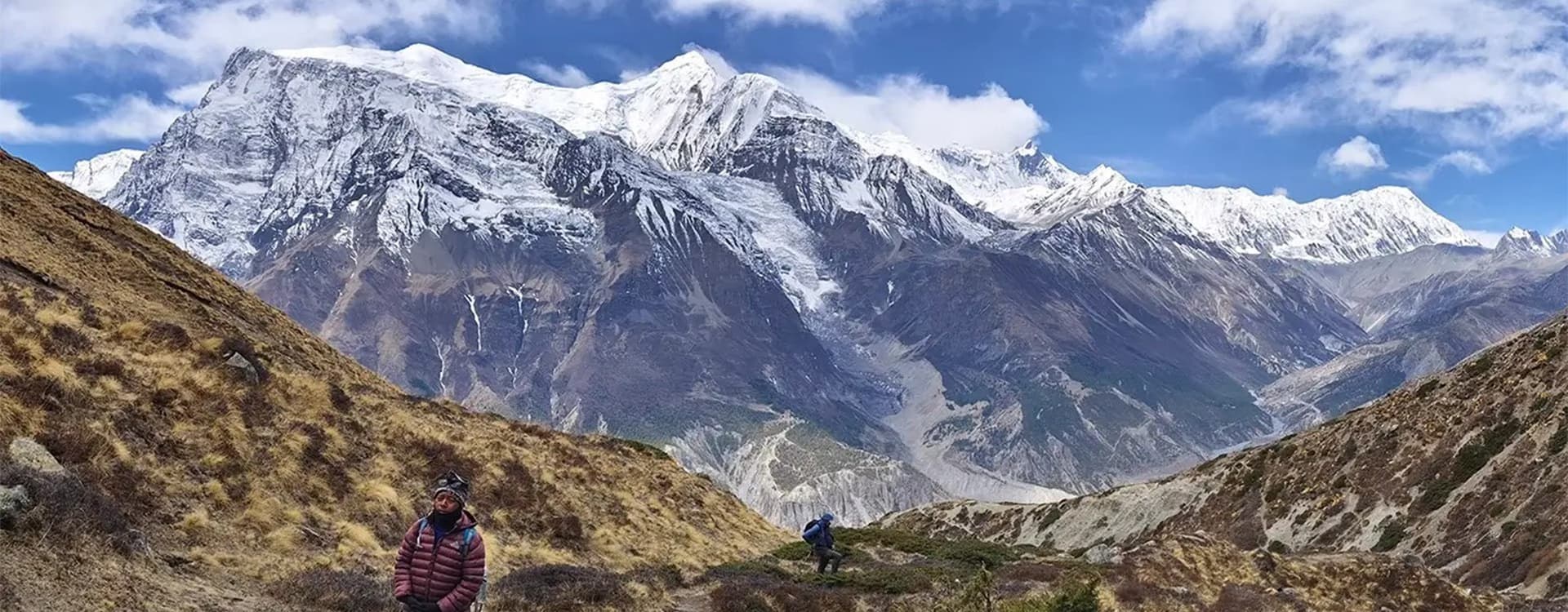
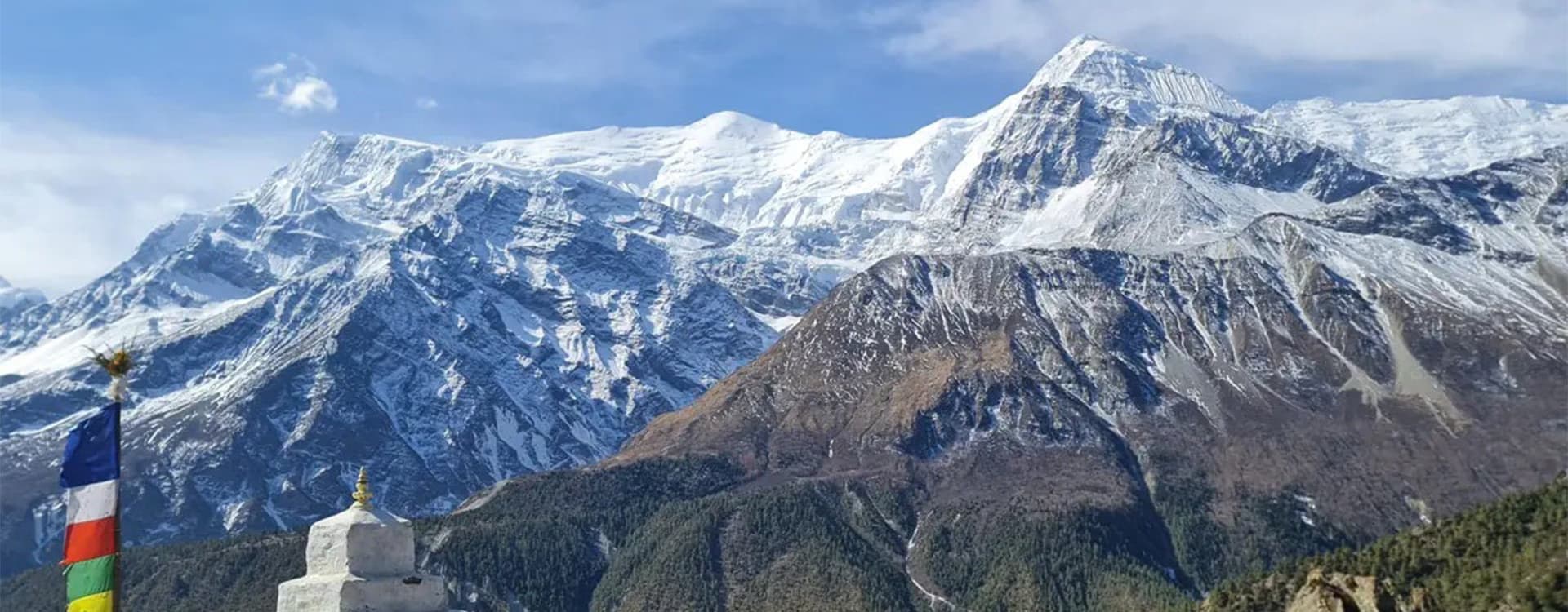
  • Enjoy breathtaking mountain views of Annapurna II, Annapurna III, Gangapurna, Tilicho Peak, Chulu East, and Dhaulagiri.
  • Walk through traditional Gurung, Manangi, and Thakali villages and experience diverse Himalayan cultures and lifestyles.
  • Explore the Manang Valley with acclimatization hikes and stunning viewpoints surrounded by towering Himalayan peaks.
  • Descend into the Kali Gandaki Gorge, one of the deepest gorges in the world, between Annapurna and Dhaulagiri.
  • Relax in natural hot springs at Tatopani after days of high-altitude trekking.
  • Visit ancient monasteries, prayer walls, chortens, and sacred sites reflecting Tibetan-influenced Buddhist traditions.
  • Trek with experienced local guides and well-paced itineraries designed for safety, acclimatization, and comfort.
Expedition Narrative

About Annapurna Circuit Trek — 16 days

The Annapurna Circuit Trek is widely regarded as one of the most diverse and rewarding long-distance treks in the world. Encircling the entire Annapurna Massif, this legendary 16-day journey takes trekkers through an extraordinary range of landscapes, cultures, and climatic zones—from lush subtropical valleys and terraced farmlands to arid high-altitude deserts and dramatic Himalayan passes. More than just a trek, the Annapurna Circuit is a complete Himalayan experience that blends natural beauty, cultural depth, and personal achievement.

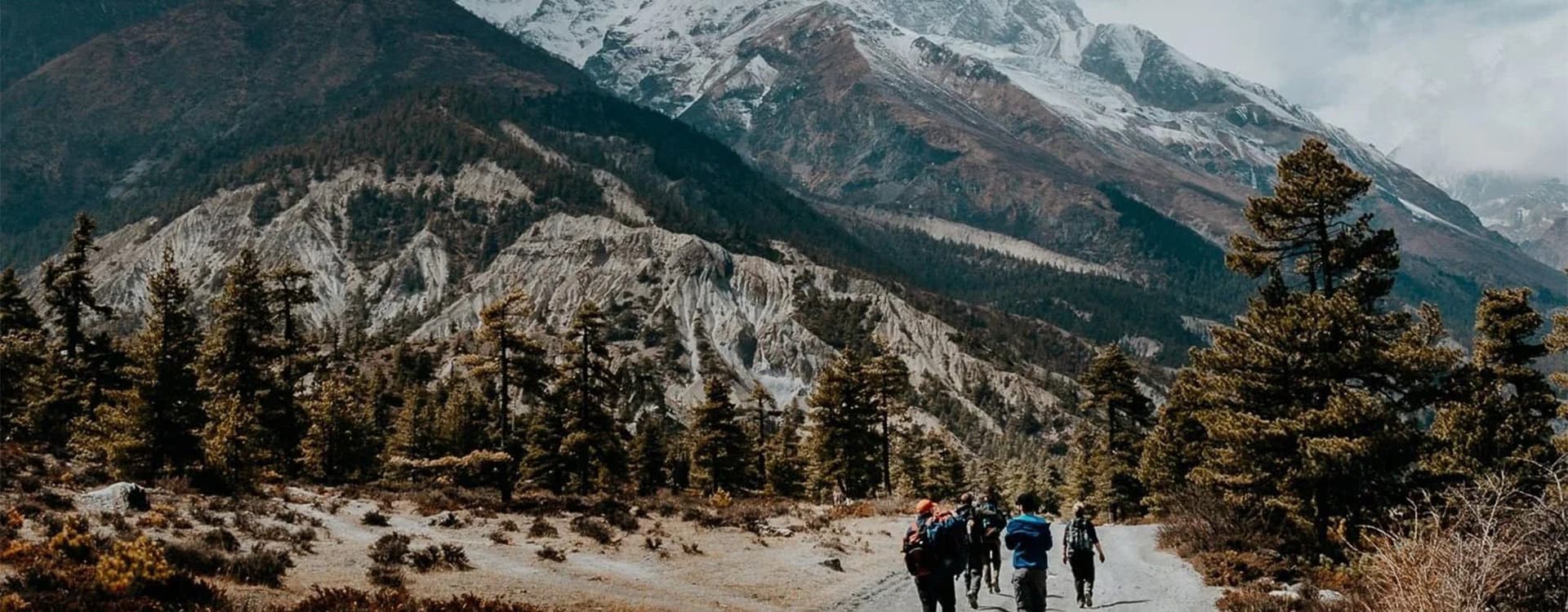
The trek begins in the lower hills of central Nepal, where warm temperatures, green forests, cascading rivers, and traditional villages set a welcoming tone. As the trail gradually ascends along the Marsyangdi River, trekkers pass through charming Gurung and Manangi settlements, stone-built villages, prayer flags, and ancient monasteries that reflect the region’s deep-rooted Buddhist and Hindu traditions. Each day brings a noticeable shift in scenery and lifestyle, offering a rare opportunity to witness how geography shapes culture in the Himalayas.

One of the defining features of the Annapurna Circuit Trek is its incredible geographical diversity. In just over two weeks, trekkers transition from rice paddies and pine forests to alpine meadows and eventually into the stark, windswept landscapes of the Manang Valley. Surrounded by towering peaks such as Annapurna II, Annapurna III, Gangapurna, Tilicho Peak, and Chulu East, the trail offers constant panoramic mountain views that grow more dramatic with altitude. Carefully planned acclimatization days, especially in Manang, allow trekkers to adapt safely while exploring side hikes and high viewpoints.

The ultimate highlight of the Annapurna Circuit Trek is crossing the Thorong La Pass (5,416 m), one of the highest trekking passes in the world. This challenging yet deeply rewarding day is both a physical and mental milestone. Standing atop the pass, surrounded by vast Himalayan peaks and fluttering prayer flags, delivers an overwhelming sense of accomplishment and awe. The descent into the Mustang region on the other side reveals a striking contrast—dry, desert-like terrain influenced by Tibetan geography and culture.
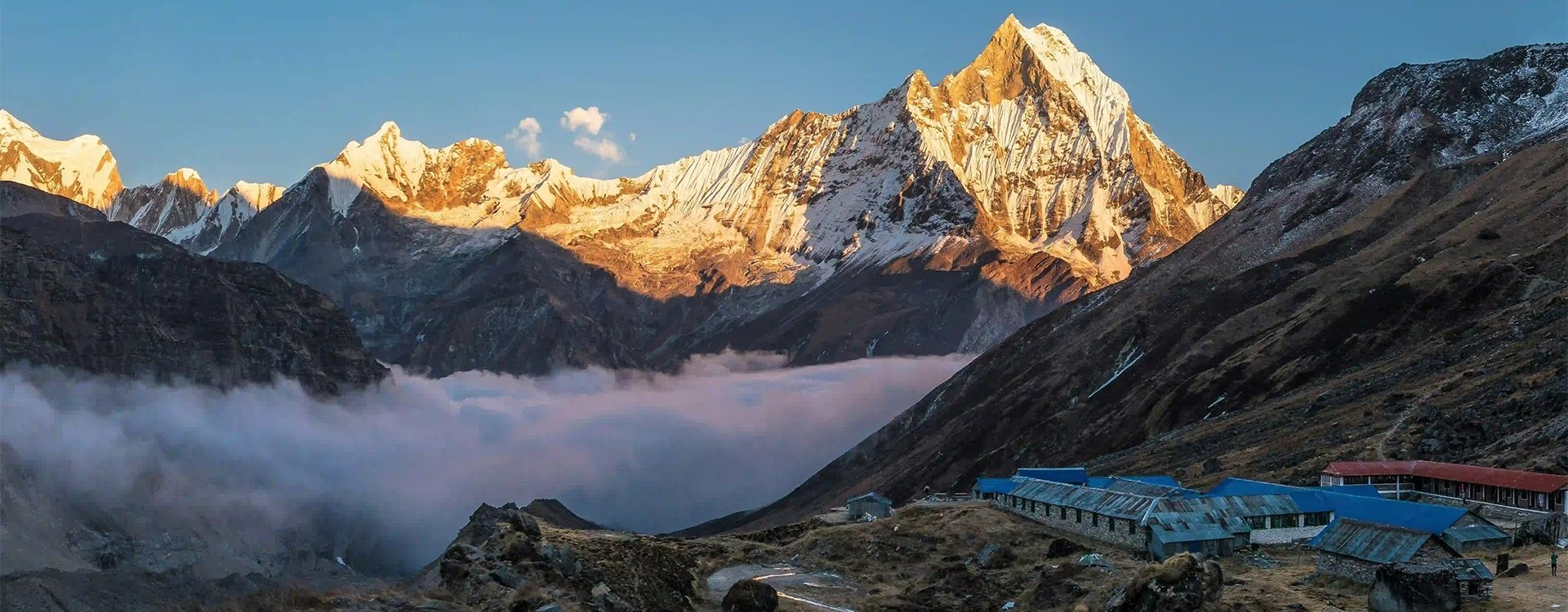
Beyond its natural grandeur, the Annapurna Circuit is also a cultural journey. Trekkers encounter a blend of Hindu villages in the lower regions and Tibetan-influenced Buddhist communities at higher elevations. Along the trail, mani walls, prayer wheels, monasteries, and chortens offer insight into Himalayan spirituality, while interactions with local people provide a deeper understanding of life in remote mountain regions. The warmth and hospitality of the locals remain one of the most memorable aspects of the trek.

The journey concludes in the Kali Gandaki Valley, one of the deepest gorges in the world, framed by Annapurna and Dhaulagiri—the seventh-highest mountain on Earth. Natural hot springs at Tatopani and the transition back into greener landscapes provide a relaxing and reflective end to this epic adventure.
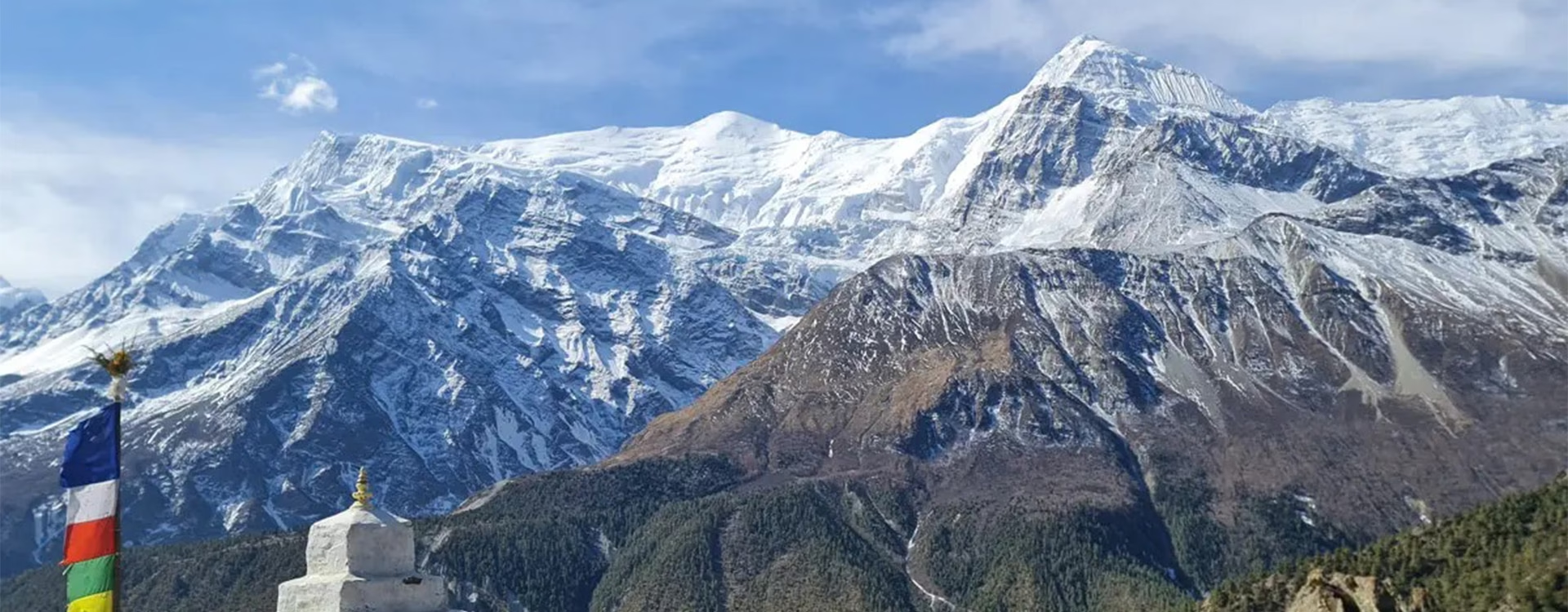
At Himalayan Ripple, we design the Annapurna Circuit Trek with a strong focus on safety, comfort, and authenticity. Our experienced local guides, well-paced itineraries, and attention to acclimatization ensure a rewarding and responsible trekking experience. Whether you are an experienced trekker seeking a classic Himalayan challenge or an adventure enthusiast looking for the ultimate long trek in Nepal, the Annapurna Circuit Trek offers an unforgettable journey through the heart of the Himalayas—one that stays with you long after the trail ends.

Day-by-Day Plan

Detailed Itinerary Annapurna Circuit Trek — 16 days

Tailor This Journey

This provides a generalized view of our expedition flow. We specialize in bespoke adjustments based on season, group size, and personal pace to ensure your Himalayan experience is flawless.

Request Customization
  • Day 01

    Arrival in Kathmandu – Gateway to the Himalayas

    Upon your arrival at Tribhuvan International Airport, you are welcomed by your guide and driver and transferred to your hotel. Kathmandu, the vibrant capital, is a city of ancient temples, bustling streets, and rich cultural heritage. You can explore Thamel for a glimpse of local shops, cafés, and handicrafts. In the evening, a briefing about the Annapurna Circuit trek covers routes, essential gear, and health precautions. This first day allows time to relax, recover from your flight, and prepare for the adventure ahead. Overnight at a 3-star hotel.

    • MealsDinner
    • AccommodationThree star hotel
    • Travel Duration20–30 minutes
    • Travel Distance6–8 km (airport transfer)
    • RouteTU airport to Hotel
    • TransportationPrivate vehicle
    • Elevation to 1,400 m / 4,593 ft
  • Day 02

    Drive from Kathmandu to Dharapani

    After breakfast, you begin a long but scenic drive to Dharapani, the gateway to the Annapurna Circuit. The journey winds along the Trishuli and Marshyangdi river valleys, passing terraced farmlands, traditional villages, and distant Himalayan peaks. Stop for photography or short breaks along the route to enjoy breathtaking scenery. Arrival in Dharapani marks your first immersion into the Annapurna region. The small village has cozy guesthouses and offers a quiet evening surrounded by towering hills. Overnight at a guesthouse.

    • MealsBreakfast, Lunch & Dinner
    • AccommodationGuesthouse
    • Travel Duration10–12 hours
    • Travel DistanceApprox. 200 km
    • RouteKathmandu to Dharapani
    • TransportationTourist vehicle
    • Elevation1,400 m / 4,593 ft to 1,860 m / 6,102 ft
  • Day 03

    Trek from Dharapani to Chame

    Today’s trek begins with a gradual climb through pine and rhododendron forests, crossing streams and small suspension bridges. As you ascend, the valley widens, revealing distant snow-capped peaks. Passing through small villages along the trail, you observe the daily lives of local Tamang and Gurung communities. Arriving at Chame, the district headquarters of Manang, enjoy panoramic views of Annapurna II and Gangapurna. The village has comfortable guesthouses where you can rest, enjoy hot tea, and acclimatize for higher altitudes ahead.

    • MealsBreakfast, Lunch & Dinner
    • AccommodationGuesthouse
    • Travel Duration5–6 hours
    • Travel DistanceApprox. 10 km
    • RouteDharapani to Chame
    • TransportationTrekking on foot
    • Elevation1,860 m / 6,102 ft to 2,670 m / 8,760 ft
  • Day 04

    Trek from Chame to Upper Pisang

    The trek continues through terraced fields, traditional villages, and pine forests. Crossing several streams and small settlements, the trail gradually climbs with breathtaking views of the Annapurna and Manaslu ranges. Upon reaching Upper Pisang, the landscape transforms into a high-altitude Himalayan environment. The village is known for its whitewashed houses, narrow stone streets, and a centuries-old monastery. From here, the panorama of snow-capped peaks is mesmerizing, making it an ideal location for photography. Overnight at a guesthouse with views of the surrounding Himalayan giants.

    • MealsBreakfast, Lunch & Dinner
    • AccommodationGuesthouse
    • Travel Duration6–7 hours
    • Travel DistanceApprox. 12 km
    • RouteChame to Upper Pisang
    • TransportationTrekking on foot
    • Elevation2,670 m / 8,760 ft to 3,300 m / 10,827 ft
  • Day 05

    Trek from Upper Pisang to Ngawal

    Today, you trek through a mix of steep cliffs, terraces, and flowing rivers. Passing through forests and crossing suspension bridges, the trail offers expansive views of Gangapurna and Annapurna II. Arriving at Ngawal, a serene village perched on a ridge, you will experience traditional Tibetan-influenced architecture and Buddhist culture. Explore the village monastery, interact with locals, and enjoy the crisp mountain air. Overnight at a guesthouse, soaking in the peacefulness and panoramic Himalayan views.

    • MealsBreakfast, Lunch & Dinner
    • AccommodationGuesthouse
    • Travel Duration4–5 hours
    • Travel DistanceApprox. 8 km
    • RouteUpper Pisang to Ngawal
    • TransportationTrekking on foot
    • Elevation3,300 m / 10,827 ft to 3,660 m / 12,008 ft
  • Day 06

    Trek from Ngawal to Manang via Bhraka

    The trail passes through Bhraka (3,360 m / 11,024 ft), a small village with rustic stone houses and yak pastures. Enjoy panoramic views of Annapurna II and Gangapurna as the path gradually descends into Manang, a key acclimatization point for trekkers. Manang offers guesthouses with comfortable amenities and spectacular Himalayan views. Explore the village’s small shops, monasteries, and enjoy a hot meal while absorbing the serene alpine environment. Overnight at a guesthouse.

    • MealsBreakfast, Lunch & Dinner
    • AccommodationGuesthouse
    • Travel Duration3–4 hours
    • Travel DistanceApprox. 10 km
    • RouteNgawal to Manang
    • TransportationTrekking on foot
    • Elevation3,660 m / 12,008 ft to 3,540 m / 11,614 ft
  • Day 07

    Acclimatization Day at Manang Village

    Spend the day acclimatizing and exploring Manang village. Optional short hikes to nearby viewpoints provide panoramic vistas of Annapurna II, Gangapurna, and Tilicho peaks. Observe yak herders, Buddhist mani walls, and alpine meadows. This rest day is crucial for preparing your body for Thorong La Pass. The peaceful village atmosphere, crisp mountain air, and majestic surroundings make it an ideal place to relax and capture memorable photographs. Overnight at a guesthouse.

    • MealsBreakfast, Lunch & Dinner
    • AccommodationGuesthouse
    • Travel Duration4–6 hours (optional)
    • Travel DistanceOptional 3–5 km hikes
    • RouteManang to Manang
    • TransportationTrekking on foot
    • Elevation3,540 m / 11,614 ft to 3,540 m / 11,614 ft
  • Day 08

    Trek from Manang to Yak Kharka

    The trail today climbs steadily through alpine terrain with sparse vegetation, passing yak grazing fields and frozen streams. The views of Gangapurna and Annapurna III dominate the horizon. Arrive at Yak Kharka, a small settlement famous for yak farms and stone huts. The high-altitude environment introduces thinner air and stunning panoramic landscapes. Enjoy the tranquility and the opportunity to photograph majestic peaks. Overnight at a basic guesthouse.

    • MealsBreakfast, Lunch & Dinner
    • AccommodationBasic guesthouse
    • Travel Duration5–6 hours
    • Travel DistanceApprox. 10 km
    • RouteManang to Yak Kharka
    • TransportationTrekking on foot
    • Elevation3,540 m / 11,614 ft to 4,050 m / 13,287 ft
  • Day 09

    Trek from Yak Kharka to Thorong Phedi

    Climbing gradually through barren high-altitude landscapes, you reach Thorong Phedi, the base of Thorong La Pass. Observe the rugged Himalayan terrain, glaciers, and icy streams. Prepare for tomorrow’s early morning crossing. The village is small, with simple guesthouses that provide warmth, tea, and basic meals. Rest early to adjust for the altitude and prepare for the challenging pass ahead. Overnight at a basic guesthouse.

    • MealsBreakfast, Lunch & Dinner
    • AccommodationBasic guesthouse
    • Travel Duration5–6 hours
    • Travel DistanceApprox. 8 km
    • RouteYak Kharka to Thorong Phedi
    • TransportationTrekking on foot
    • Elevation4,050 m / 13,287 ft to 4,525 m / 14,846 ft
  • Day 10

    Trek to Muktinath via Thorong La Pass

    Today is the highlight of the trek: crossing Thorong La Pass (5,416 m / 17,769 ft). Begin early morning to witness the sunrise illuminating Annapurna peaks. The climb is challenging, but the panoramic views of snow-capped mountains and deep valleys are breathtaking. Descend toward Muktinath, a sacred pilgrimage site for both Hindus and Buddhists. Explore the temple complex and natural springs. The descent offers relief and spectacular scenery. Overnight at a guesthouse in Muktinath.

    • MealsBreakfast, Lunch & Dinner
    • AccommodationGuesthouse
    • Travel Duration8–9 hours
    • Travel DistanceApprox. 20 km
    • RouteThorong Phedi to Muktinath
    • TransportationTrekking on foot
    • Elevation4,525 m / 14,846 ft to 3,760 m / 12,336 ft
  • Day 11

    Drive from Muktinath to Tatopani via Jomsom

    After breakfast, you descend from Muktinath via jeep or local bus through the Kali Gandaki valley. The journey passes through Jomsom, a charming town with dry, windy landscapes and Tibetan-influenced culture. The road winds past deep gorges, terraced hills, and small villages. Arrival in Tatopani, famous for its natural hot springs, allows you to soak your tired muscles and relax after the challenging pass. Enjoy the warm waters and scenic surroundings, a perfect reward for your trekking efforts. Overnight at a guesthouse.

    • MealsBreakfast, Lunch & Dinner
    • AccommodationGuesthouse
    • Travel Duration6–7 hours
    • Travel DistanceApprox. 130 km
    • RouteMuktinath to Tatopani
    • TransportationShared local jeep/bus
    • Elevation3,760 m / 12,336 ft to 1,190 m / 3,904 ft
  • Day 12

    Rest Day at Tatopani – Hot Springs Relaxation

    Today is a leisurely rest day to rejuvenate your body after the trek over Thorong La. Tatopani is renowned for its natural hot springs where you can bathe while enjoying the surrounding mountains and valley views. Gentle walks around the village allow you to interact with locals, observe rural Nepali life, and capture photos of cascading waterfalls nearby. This day provides physical recovery, mental relaxation, and preparation for the final trekking section toward Ghorepani. Overnight at a guesthouse.

    • MealsBreakfast, Lunch & Dinner
    • AccommodationGuesthouse
    • Travel DurationFull day
    • Travel DistanceOptional walks 2–3 km
    • RouteTatopani to Tatopani
    • TransportationOn foot (optional)
    • Elevation1,190 m / 3,904 ft to 1,190 m / 3,904 ft
  • Day 13

    Trek from Tatopani to Ghorepani

    The trek today ascends steadily through lush rhododendron and oak forests. Passing small villages and tea houses, the path offers glimpses of local farming life and traditional stone houses. The climb is challenging but rewarding as the scenery gradually opens to snow-capped peaks and panoramic views of the Annapurna and Dhaulagiri ranges. Arriving in Ghorepani, a charming hilltop village, you can enjoy a spectacular sunset over the mountains. The village has cozy guesthouses perfect for resting and reflecting on your journey. Overnight at a guesthouse.

    • MealsBreakfast, Lunch & Dinner
    • AccommodationGuesthouse
    • Travel Duration6–8 hours
    • Travel DistanceApprox. 20 km
    • RouteTatopani to Ghorepani
    • TransportationTrekking on foot
    • Elevation1,190 m / 3,904 ft to 2,880 m / 9,449 ft
  • Day 14

    Poon Hill Sunrise Hike and Trek to Birethanti

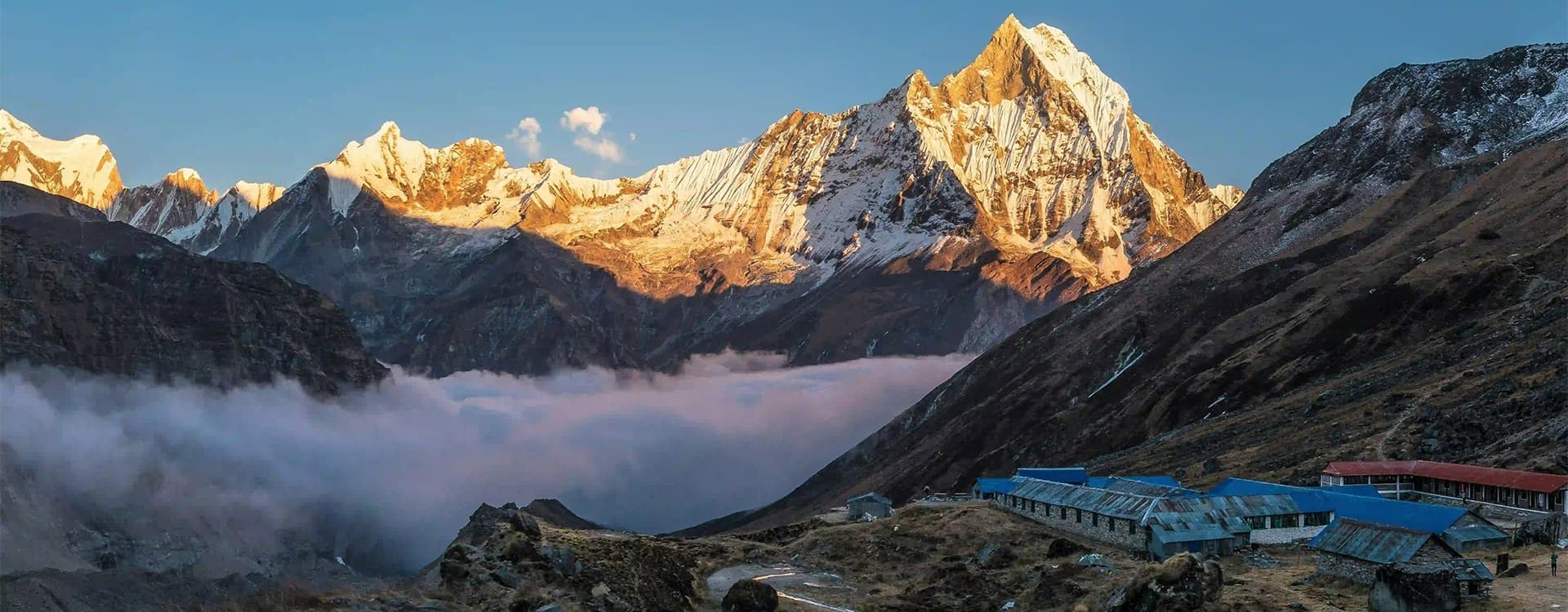
    Wake up early for the iconic Poon Hill sunrise hike (3,210 m / 10,531 ft). The panoramic view of Annapurna, Dhaulagiri, and Machapuchare peaks bathed in golden light is unforgettable. Descend back to Ghorepani for breakfast, then trek down through terraced fields, forests, and small villages to Birethanti (1,025 m / 3,363 ft). From Birethanti, drive to Pokhara, arriving in the vibrant Lakeside area with lakes, cafés, and shops. This day combines high-altitude views with lush lowland scenery, making it both memorable and scenic. Overnight at a 3-star hotel.

    • MealsBreakfast, Lunch & Dinner
    • AccommodationThree star hotel
    • Travel Duration5–6 hours trekking + 1–3 hours drive
    • Travel DistanceApprox. 22 km (trek + drive)
    • RouteGhorepani to Pokhara (via Birethanti)
    • TransportationTrekking on foot + private vehicle
    • Elevation2,880 m / 9,449 ft to 1,400 m / 4,593 ft
  • Day 15

    Drive from Pokhara to Kathmandu

    After breakfast, drive back to Kathmandu via the Prithvi Highway, passing scenic river valleys, terraced farmlands, and roadside villages. Stop at viewpoints and local towns for refreshments and photographs. Upon arrival in Kathmandu, check into your hotel, relax, and reminisce about the trek, the mountains, and the culture you experienced along the Annapurna Circuit. The evening can be spent exploring Thamel for souvenirs or enjoying local cuisine. Overnight at a 3-star hotel.

    • MealsBreakfast, Lunch & Dinner
    • Accommodation3-star hotel
    • Travel Duration7–9 hours
    • Travel DistanceApprox. 200 km
    • RoutePokhara to Kathmandu
    • TransportationTourist bus
    • Elevation900 m / 2,953 ft to 1,400 m / 4,593 ft
  • Day 16

    Final Departure from Kathmandu

    Transfer to Tribhuvan International Airport according to your flight schedule. Take with you memories of snow-capped peaks, diverse landscapes, rich culture, and the unforgettable journey along the Annapurna Circuit. This is the perfect conclusion to an adventure that combined high-altitude trekking, Himalayan villages, and serene natural beauty.

    • MealsDinner
    • Travel Duration20–30 minutes
    • Travel DistanceApprox. 6–8 km (hotel to airport)
    • RouteKathmandu hotel to TU airport
    • TransportationPrivate vehicle
    • Elevation1,400 m / 4,593 ft
Trip Investment

Cost Includes

Accommodation

  • Twin-sharing accommodation in a 3-star hotel in Kathmandu for 2 nights, including breakfast.

  • Twin-sharing teahouse/guesthouse accommodation during the trek for 13 nights along the Annapurna Circuit.

Meals & Drinking Water

  • All standard meals during the trek (13 breakfasts, 13 lunches, and 13 dinners).

  • One hot drink (tea or coffee) with each meal and seasonal fruits when available.

  • Safe drinking water during the trek using water filtration systems or purification tablets.

Transportation & Ground Travel

  • All airport transfers in Kathmandu by private or tourist vehicle.

  • Ground transportation from Kathmandu to the trek starting point and from the trek ending point back to Kathmandu by shared tourist vehicle, as per itinerary.

Guide & Trekking Staff

  • Experienced, government-licensed, English-speaking trekking guide trained in first aid and high-altitude safety.

  • Porters during the trek (1 porter for every 2 trekkers).

  • All wages, accommodation, meals, equipment, insurance, and medical supplies for trekking staff.

Permits & Documentation

  • Annapurna Conservation Area Permit (ACAP).

  • Trekkers’ Information Management System (TIMS) card.

  • All required local and government trekking permits.

Safety & Additional Benefits

  • Comprehensive first-aid kit, including an oximeter to monitor oxygen saturation and pulse.

  • Trekking map and detailed pre-trip briefing.

  • Trip completion certificate from Himalayan Ripple.

Administrative & Taxes

  • All government taxes, service charges, and administrative expenses.

Exclusions

Cost Excludes

  • Lunch and dinner in Kathmandu before and after the trek.
  • International airfare to and from Nepal.
  • Nepal entry visa fees (visa on arrival available at Tribhuvan International Airport).
  • Travel insurance, including high-altitude trekking and emergency evacuation coverage.
  • Any beverages, including bottled water, boiled water, soft drinks, and alcoholic drinks.
  • Personal trekking gear and equipment.
  • Hot showers, battery charging, Wi-Fi, and personal expenses at teahouses.
  • Tips for trekking guides, porters, and drivers.
  • Any expenses not mentioned in the Cost Includes section.
Essential Briefing

Know Before You Go

Altitude Awareness and Acclimatization

The Annapurna Circuit Trek reaches significantly high elevations, making altitude awareness a crucial part of your preparation. The highest point of the trek is Thorong La Pass (5,416 m), one of the highest trekking passes in the world. While the ascent is gradual, altitude sickness can affect trekkers regardless of age or fitness level.

Proper acclimatization is built into the itinerary with rest days in places such as Manang, allowing your body time to adjust. Maintaining a slow walking pace, staying well hydrated, avoiding alcohol, and eating balanced meals are essential practices. Any symptoms such as headache, dizziness, or nausea should be reported immediately to your guide. Descending to a lower altitude is always the most effective response if symptoms worsen.

Physical Fitness and Trek Difficulty

The Annapurna Circuit Trek is considered moderate to challenging, mainly due to its length, high altitude, and the crossing of Thorong La Pass. Trekkers should be prepared for 6–8 hours of walking per day, with long ascents and descents on varied terrain including stone steps, river valleys, alpine trails, and high mountain passes.

Although no technical climbing skills are required, good cardiovascular endurance, leg strength, and mental resilience are important. Regular hiking, stair climbing, cycling, or gym training at least 6–8 weeks before the trek will greatly enhance your comfort and enjoyment during the journey.

Best Time to Trek Annapurna Circuit

The best seasons for the Annapurna Circuit Trek are spring (March to May) and autumn (September to November). Spring offers mild temperatures, blooming rhododendron forests, and clear mountain views, while autumn is known for stable weather, excellent visibility, and crisp mountain air.

Winter trekking (December to February) is possible but challenging due to heavy snowfall around Thorong La Pass and extremely cold temperatures at higher altitudes. Monsoon season (June to August) brings lush landscapes but also rain, landslides, and limited views, particularly in lower regions.

Accommodation and Facilities

Accommodation along the Annapurna Circuit is primarily in local teahouses and lodges, offering simple but comfortable twin-sharing rooms. Facilities are generally better in lower regions and become more basic as altitude increases, especially around Thorong Phedi and High Camp.

Most teahouses provide communal dining areas, hot meals, and basic bedding. Hot showers, Wi-Fi, and charging facilities are available at an additional cost in many places, though availability can be limited in remote areas. Carrying a power bank and accepting modest comfort levels is important for a smooth experience.

Food and Drinking Water

Teahouses along the Annapurna Circuit serve a wide variety of meals, with Dal Bhat being the most reliable and nutritious option, especially at higher elevations. Other common meals include noodles, soups, momos, pasta, fried rice, potatoes, eggs, and porridge.

Staying hydrated is essential, particularly before crossing Thorong La Pass. Bottled water becomes expensive and environmentally harmful at higher altitudes, so using water purification tablets or a filter bottle is highly recommended. Guides will advise you on safe water sources along the trail.

Packing Essentials and Trekking Gear

Proper packing is vital for the Annapurna Circuit due to changing climates and altitudes. Essential items include layered clothing, a warm down jacket, thermal base layers, waterproof jacket and trousers, sturdy trekking boots, trekking poles, gloves, a warm hat, and UV-protection sunglasses.

A good-quality sleeping bag rated for cold temperatures is highly recommended, particularly for nights above Manang. Personal toiletries, sunscreen, lip balm, a first-aid kit, and a headlamp are also important. Keeping your backpack light will greatly improve your trekking comfort.

Permits and Required Documents

The Annapurna Circuit Trek requires two main permits: the Annapurna Conservation Area Permit (ACAP) and the TIMS (Trekkers’ Information Management System) card. These permits are mandatory and are usually arranged by your trekking company.

Trekkers should always carry copies of their passport and permits, as they are checked at various checkpoints along the trail.

Connectivity, Charging, and Communication

Mobile network coverage is available in many villages along the Annapurna Circuit, especially in lower regions. However, connectivity becomes unreliable in higher and more remote areas.

Some lodges offer Wi-Fi for a fee, but speeds can be slow. Charging electronic devices usually costs extra and relies on solar or hydroelectric power. Carrying a power bank and conserving battery usage is strongly advised.

Cultural Etiquette and Responsible Trekking

The Annapurna Circuit passes through diverse ethnic communities, including Gurung, Thakali, Manangi, and Tibetan-influenced villages. Respecting local customs is essential—dress modestly, remove shoes before entering homes or monasteries, and walk clockwise around religious structures.

Responsible trekking practices such as minimizing plastic waste, supporting local lodges, and respecting wildlife help preserve the region’s natural and cultural heritage.

Travel Insurance and Trek Safety

Travel insurance that covers high-altitude trekking up to 5,500 meters, including emergency helicopter evacuation, is mandatory for the Annapurna Circuit Trek. Weather changes, altitude-related issues, and remote terrain make insurance essential.

Experienced guides carry first-aid kits and are trained in altitude awareness and emergency response. Their knowledge of the trail, weather conditions, and local culture significantly enhances safety and overall experience.

Money and Personal Expenses

There are limited ATMs once you leave larger towns, so carrying sufficient cash from Kathmandu or Pokhara is important. Personal expenses include hot showers, Wi-Fi, charging devices, snacks, beverages, and tips for staff.

A daily budget of USD 15–25 for personal expenses is usually sufficient, though costs increase at higher elevations.

Mental Preparation and Trekking Mindset

The Annapurna Circuit Trek is as much a mental journey as it is a physical one. Long walking days, basic facilities, and changing weather conditions require patience, flexibility, and a positive mindset.

Approaching the trek with realistic expectations, respecting your body’s limits, and embracing the simplicity of mountain life will make the experience deeply rewarding and memorable.

Expert Guidance

Faqs for Annapurna Circuit Trek

General Trek Information

  • Q.01:What is the Annapurna Circuit Trek?

    The Annapurna Circuit Trek is a classic long-distance trekking route in Nepal, circling the Annapurna Massif. Spanning approximately 160–230 km depending on the route, the trek passes through diverse landscapes, ethnic villages, high mountain passes, and subtropical forests, providing both natural and cultural experiences. The journey typically takes 16–20 days, reaching its highest point at Thorong La Pass (5,416 m).
  • The standard Annapurna Circuit Trek itinerary is 16 days, including arrival in Kathmandu, transfers, and the full circuit around the Annapurna Massif. Trekking days vary from 5–8 hours daily, depending on the terrain and altitude.
  • The most popular trekking seasons are spring (March–May) and autumn (September–November) due to clear skies, mild temperatures, and excellent mountain visibility. Winter (December–February) is colder and may have snow at higher elevations, while monsoon season (June–August) brings rain, landslides, and slippery trails.
  • The trek is considered moderate to challenging, primarily due to its length and high altitude. While no technical climbing skills are needed, trekkers should have good physical fitness, stamina, and mental resilience. Proper preparation and acclimatization are essential, especially for Thorong La Pass.

Permits, Documentation, and Regulations

  • Trekking in the Annapurna region requires two permits: the Annapurna Conservation Area Permit (ACAP) and the Trekkers’ Information Management System (TIMS) card. Both are mandatory and can be arranged by your trekking agency.
  • Yes, most professional trekking companies, including Himalayan Ripple, include all required permits as part of the package cost.
  • Yes, travelers from most countries require a Nepal entry visa, which can be obtained upon arrival at Tribhuvan International Airport in Kathmandu. Fees vary based on duration: USD 30 for 15 days, USD 50 for 30 days, and USD 125 for 90 days.

Safety and Health

  • Yes, altitude sickness can affect anyone regardless of fitness level, particularly above 3,500 meters. Symptoms include headache, nausea, dizziness, and fatigue. Gradual ascent, proper hydration, balanced meals, and acclimatization days in Manang or similar villages are essential preventive measures. Descending is the most effective remedy if symptoms worsen.
  • The trek is generally safe when undertaken with proper preparation, experienced guides, and adherence to acclimatization schedules. Natural risks such as landslides, sudden weather changes, or heavy snowfall exist but can be managed with awareness and professional guidance.
  • Yes, comprehensive travel insurance covering high-altitude trekking, emergency evacuation, accidents, and medical emergencies is highly recommended. Make sure your policy covers trekking above 5,500 meters, including helicopter evacuation if necessary.

Accommodation and Food

  • Accommodation is mostly in local teahouses and lodges, offering twin-sharing rooms with basic facilities. Comfort levels decrease at higher altitudes. Some lodges provide attached bathrooms, Wi-Fi, and charging facilities for an additional fee.
  • Teahouses serve nutritious meals such as Dal Bhat (rice and lentils), soups, noodles, momos, and pancakes. Breakfast typically includes eggs, porridge, and bread. Snacks like energy bars and dried fruits are recommended for trekking days.
  • Tap water should never be consumed directly. Purified or bottled water is recommended. Using water filters or purification tablets is eco-friendly and cost-effective, and is advised for all trekkers.

Gear and Packing

  • Key items include layered clothing for varying temperatures, waterproof jackets, trekking boots, warm gloves, thermal layers, sleeping bag rated for cold weather, trekking poles, sunglasses, sunscreen, and a headlamp. A sturdy daypack and power bank are also essential.
  • Yes, Kathmandu and Pokhara have a wide range of trekking gear shops. However, it’s recommended to carry personal essentials, especially boots and clothing already broken in for comfort.

Trekking Logistics

  • Trekking days usually range from 5–8 hours, depending on terrain and altitude. The full Annapurna Circuit covers approximately 160–230 km over 16 days, including acclimatization and rest days.
  • The trek usually starts in Besisahar or Bhulbhule, accessible by private vehicle or tourist bus from Pokhara. Most packages include all transfers from Kathmandu to the starting point and back.
  • Yes, beginners can attempt the trek with proper fitness training, acclimatization, and guidance from experienced local trekking agencies. Mental preparation and a positive mindset are equally important as physical readiness.

Connectivity and Communication

  • Mobile coverage is available in lower villages, but signal becomes weak or absent at higher altitudes. Some lodges offer Wi-Fi for a small fee, but speeds are generally slow. Carrying a power bank is advisable.

Finance and Budget

  • Cash is required for personal expenses such as snacks, drinks, Wi-Fi, hot showers, and tips. A budget of USD 15–25 per day is typically sufficient, with higher costs at remote high-altitude locations.
  • No, credit card usage is extremely limited on the Annapurna Circuit. Always carry sufficient cash in Nepalese Rupees or USD.

Additional Tips

  • Weather varies by season. Spring and autumn have mild, clear conditions; winter is cold with snow at high passes; and monsoon brings rain, slippery trails, and landslides. Packing layered clothing for varying temperatures is essential.
  • Regular hiking, stair climbing, cycling, or gym workouts for at least 6–8 weeks before the trek are recommended. Mental preparation, patience, and a flexible attitude toward changing conditions will enhance your trekking experience.
  • Yes, trekking agencies can adjust itineraries, rest days, or add side trips such as Tilicho Lake, Poon Hill, or Annapurna Base Camp, depending on your time, fitness, and preferences.

Guest Diaries

Expedition Reviews

Write Review
  • Trekking with himalayan ripple

    Krishna guided a friend and me on the Annapurna Circuit several years ago and he was outstanding! Not only did he know the trail very well, answer all of our questions about, and take care of everything between Kathmandu and Pokhara, he was just fun to hang out with all along the way. He went above and beyond to help us when we had minor injuries. Several other trekkers we met on the circuit liked him more than their own guides. I have recommended him to several friends and would trek with him again in a heartbeat if I could make it back to Nepal.

    Detailed Review+
    E

    Evan D

    Australia
Popular
Private Journey
$1800/ Person
Group Size
Price P.P.
1 Pax
US$ 1800
2 - 3 Pax
US$ 1450
4 - 7 Pax
US$ 1300
7 - 12 Pax
US$ 1200
TravelersManage Group
1
Total Estimate1 × $1800
US $1800
Custom Itinerary
US$1800Per Person
Book Now
© 2026 Himalayan Ripple

Boutique Himalayan Expeditions. Curated raw adventure blended with high-end hospitality. No part of this website may be reproduced without explicit permission.