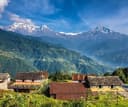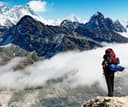
Nepal’s fame often rests on the towering peaks of Everest and the Annapurna Circuit, and for good reason—they are breathtaking, world-renowned, and the ultimate dreams of many trekkers. Yet, beyond these iconic destinations lies a quieter, almost secret Nepal: a land of hidden valleys, remote villages, and trails untouched by crowds. This is a Nepal where the pace slows, where every conversation with a local reveals centuries of tradition, and where the landscape itself seems to whisper stories long forgotten.
Traveling beyond the popular routes is like stepping into another world. The air smells different here—fresh with pine, damp earth, and the subtle sweetness of wildflowers. The sounds are softer too: the murmur of distant rivers, the flutter of prayer flags in the wind, the calls of birds unfamiliar to the urban ear. You pass small stone houses with carved windows, children running barefoot along the paths, and smoke rising gently from kitchens where families prepare meals with produce grown on terraces just outside their homes.
What makes offbeat travel in Nepal magical is that it’s not just about landscapes—it’s about immersion. You become a witness and a participant in life that has continued for generations without interruption. You watch monks chanting at hilltop monasteries, farmers tending rice fields with methods unchanged for centuries, and women carrying firewood along trails lined with rhododendron forests. The stories here are not in guidebooks—they’re told by the people, in their songs, festivals, and daily routines.
For a traveler seeking more than just panoramic peaks, stepping beyond Everest and Annapurna is transformative. It’s a journey that teaches patience, humility, and wonder. Here, every sunrise over a hidden valley, every conversation in a remote teahouse, and every festival in a small village is a reminder that Nepal is far more than its mountains—it is a living tapestry of culture, history, and human connection, waiting to be discovered by those willing to leave the beaten path behind.
Why Offbeat Trails Matter
Nepal is a country that has long captured the imagination of trekkers and travelers. Yet, the well-trodden paths to Everest Base Camp or Annapurna often leave little room for quiet reflection or authentic cultural experiences. Offbeat trails matter because they allow travelers to step away from the crowds and discover a Nepal that feels alive in its truest form—a land where nature, culture, and human life exist in delicate harmony.
Walking these lesser-known trails, you notice details that are easily missed on popular routes: the scent of damp moss in shaded forests, the soft gurgle of streams meandering through terraced fields, the intricate carvings on the windows of a centuries-old house, and the sounds of village life echoing across the hills. Here, the journey is not dictated by a packed itinerary or tour schedule—it is defined by curiosity, presence, and engagement with your surroundings.
The charm of offbeat trekking lies in its unpredictability. A small detour might lead you to a family preparing sel roti over an open fire, or to children practicing folk dances in the village square. You might stumble upon a forgotten temple where a monk quietly chants prayers, or a remote meadow filled with blooming rhododendrons, untouched by the footsteps of other trekkers. These are moments of intimacy and connection—moments that are rare, yet profoundly memorable.
Offbeat trails also allow for meaningful interaction with local communities. Unlike the popular trekking hubs, remote villages maintain authentic lifestyles. Farmers till their terraced fields, women weave or cook traditional meals, and elders share stories of ancestral traditions. Travelers who take the time to listen, share, and participate gain insights into Nepalese life that go far beyond what guidebooks can teach.
Moreover, these trails contribute to sustainable travel. By venturing off the beaten path, you support small villages and local guides directly, ensuring that tourism benefits the people who are custodians of culture and tradition. Every homestay night, every meal shared with a family, and every local guide hired is an investment in preserving the authenticity of these regions for future generations.
Ultimately, offbeat trails matter because they transform travel into a journey of discovery. They encourage curiosity, empathy, and patience, and reward those willing to slow down with experiences that linger long after the trek ends—a glimpse into a Nepal that is intimate, personal, and profoundly real.
The Magic of Untouched Villages
There’s a quiet enchantment in Nepal’s remote villages that no guidebook or photograph can capture. These are places where time seems to flow differently—slower, gentler, measured by the rising sun, the rhythm of the fields, and the passing of seasons. Away from the crowds and the busier trekking routes, untouched villages reveal the heart of Nepal, where everyday life is a living story of tradition, resilience, and community.
Walking through these villages, the first thing you notice is the architecture. Stone houses with wooden latticed windows, roofs layered with slate, and courtyards lined with marigold flowers create a visual narrative of history and culture. In some villages, you may hear the faint hammering of a blacksmith in a small workshop or the melodic hum of a woman grinding spices on a stone mill. Children run barefoot along earthen paths, laughing and chasing one another, their curiosity often bringing them to greet travelers with shy smiles and waves.
The smell of home-cooked meals wafts from kitchens, where families prepare dal bhat, momos, and sel roti using ingredients grown on terraces just outside their homes. Sharing a meal with a family in a small village is more than sustenance—it is storytelling. A grandmother like Kamala might explain how the recipe for her momo filling has been passed down for three generations, while a young boy demonstrates his skill in shaping perfectly round sel roti. Every bite becomes a connection to the land, the family, and centuries of tradition.
Daily life here is inseparable from the natural environment. Farmers tend to terraced rice paddies and vegetable gardens, carrying water from nearby streams or guiding livestock through the hills. Monks might chant softly in small monasteries perched on hilltops, their voices blending with the rustling of prayer flags and the distant caw of birds. Even a casual stroll through these villages becomes a lesson in harmony, patience, and respect for both people and nature.
Festivals in untouched villages take on an intimate charm. During Dashain or Tihar, streets that are usually quiet burst into vibrant colors, music, and laughter. Every family participates, and travelers often find themselves invited to join in rituals, swings, or community feasts. Unlike the tourist-heavy celebrations in Kathmandu, here the festivals feel personal, authentic, and deeply communal.
Perhaps the most magical aspect of untouched villages is the sense of welcome. Locals do not just tolerate visitors—they engage, share, and include you in the rhythms of their daily lives. Whether it’s a conversation over tea, learning to milk a cow, or walking alongside children to fetch water, every interaction leaves a lasting impression. These villages are living stories, and travelers who venture here become part of that narrative, even if just for a day or two.
Nepal’s untouched villages remind us that the heart of travel is not always in the peaks or panoramas—it is in people, culture, and the quiet moments that unfold naturally. Here, every smile, every shared meal, and every story told by candlelight becomes part of the memory of Nepal that lingers long after the trek ends.
Langtang Valley Trek
The Langtang Valley Trek is one of Nepal’s hidden gems—often overshadowed by Everest and Annapurna—but for travelers seeking untouched beauty, cultural richness, and serenity, it is an unparalleled experience. Nestled in the northern part of the Kathmandu Valley, Langtang offers dense rhododendron forests, sparkling rivers, traditional Tamang villages, and sweeping Himalayan panoramas that feel almost private, as if the mountains themselves are inviting you into their quiet world.

Unlike more commercialized routes, Langtang is quieter and less crowded, allowing trekkers to truly absorb the landscape and local culture. Each day on the trail is a balance of nature and community. Early mornings bring mist rolling through terraced hills, the sounds of birds awakening, and the distant ring of a cowbell as farmers lead livestock to graze. Tea houses along the trail are simple yet welcoming, with wooden floors, warm chiya, and the unmistakable aroma of home-cooked meals.
The trek is also an emotional journey. The Langtang region was severely affected by the 2015 earthquake, and visiting villages like Langtang Village or Kyanjin Gompa is a chance to witness resilience firsthand. Locals rebuild homes and lives with courage and hospitality, often inviting trekkers to join them in daily tasks, share stories, or simply enjoy a warm meal by the fire. The human element here adds depth to the trekking experience, making it not just a hike through mountains, but a walk through the enduring spirit of the people.
Rhododendron Forests in Bloom
Springtime in Langtang is magical. The trails become a living rainbow as rhododendron trees bloom in shades of red, pink, white, and purple, carpeting the forests in color. Walking through these trails, you feel as if you’ve entered a painter’s canvas. The delicate scent of the flowers mixes with the earthy aroma of the forest floor, while sunlight filters through the branches, casting dappled shadows along narrow paths.
Birdsong accompanies every step. Himalayan monals, bulbuls, and other exotic birds flit through the trees, adding music to the visual feast. Small streams wind through the forests, creating soft murmurs that soothe the senses after a day of climbing. Every bend in the trail reveals a new combination of colors and textures, making the walk feel less like a trek and more like a journey through a vibrant, breathing ecosystem.
Tamang Villages and Local Culture
The Langtang region is home to the Tamang people, whose culture has been preserved for generations. Villages are often small clusters of stone houses with wooden balconies, adorned with prayer flags and small shrines. Locals greet trekkers warmly, inviting them to rest, share tea, or observe daily life.
Meeting villagers like Sonam, a young farmer, provides a glimpse into traditional lifestyles. He may show you how to till the terraced fields, care for livestock, or bake sel roti over an open fire. Conversations often drift into stories of ancestors, local legends, and the history of the valley. In monasteries like Kyanjin Gompa, monks perform daily rituals, and visitors can participate in prayer or meditation, gaining insight into Buddhist practices intertwined with everyday village life.
These cultural encounters make the trek more than a scenic hike. They allow travelers to experience Nepal as locals do, understanding how geography, tradition, and community shape life in the mountains.
Glacier Views and Scenic Peaks
As the trail climbs higher, vistas open to reveal hidden glaciers and panoramic Himalayan peaks rarely seen by large numbers of tourists. Kyanjin Ri, a nearby peak, offers one of the most breathtaking viewpoints: snow-capped mountains stretch endlessly, glaciers glimmer in sunlight, and valleys carved by rivers and time spread below.
The experience is intimate—unlike busier trekking routes, you often feel as if the mountains are sharing their secrets directly with you. Sunrise and sunset are particularly magical. Golden light spills across jagged ridges, shadows dance across valleys, and the silence is punctuated only by the distant call of a yak or the wind through prayer flags. In these moments, the Langtang Valley feels sacred, a hidden sanctuary where nature and human life coexist in perfect balance.
Helambu Region
Nestled just north of the Kathmandu Valley, the Helambu region is a serene, culturally rich trekking destination that combines breathtaking natural scenery with deep-rooted traditions. Unlike busier treks, Helambu offers shorter routes that are ideal for first-timers or travelers seeking a mix of culture and nature. The area is dotted with terraced hills, dense forests, sparkling rivers, and Buddhist monasteries, all framed by the distant Himalayan peaks. Here, the journey is not just about reaching a summit—it’s about living the rhythm of village life and breathing in the harmony of mountains and culture.
Short and Rewarding Treks
Helambu’s trails are accessible, making them perfect for travelers seeking a fulfilling trek without the long, grueling climbs of Everest or Annapurna circuits. Day treks or 4–5 day loops lead through lush forests, past waterfalls, and along ridgelines offering panoramic views of distant peaks like Langtang Lirung.
Each step brings new discoveries: a small cluster of farmhouses, a river cutting through a valley, or wildflowers carpeting the trail. The pace here encourages mindful walking—you notice the chirping of birds, the sound of leaves rustling in the wind, and the laughter of children playing along the path. Trekkers often pause to chat with villagers tending their terraces or carrying firewood, gaining insight into the daily rhythms of life in the hills.
Buddhist Monasteries and Spiritual Trails
Helambu is deeply connected to Buddhist traditions. Small monasteries perch atop hills, their walls adorned with murals depicting local legends and sacred symbols. At dawn, monks chant in soft, meditative tones, the sound mingling with the morning wind and birdsong. Travelers often find themselves observing or joining rituals, lighting butter lamps, or spinning prayer wheels alongside locals.
One such monastery, Melamchi Gompa, serves as both a spiritual center and a community hub. Visitors may meet Lama Tenzin, a young monk who explains the significance of daily prayers and meditation, or witness festivals where villagers dress in traditional attire, perform masked dances, and offer prayers for health and prosperity. These moments allow trekkers to connect spiritually with the region, even without formal religious knowledge.
Homestay Experiences
Perhaps the most enriching part of trekking in Helambu is staying with local families. Homestays are simple but warm, with wooden floors, low tables, and kitchens filled with the aroma of fresh meals. Families often serve dal bhat, steamed vegetables, and homemade breads, while sharing stories of ancestors, local legends, or recent events in the village.
For example, in a small village like Kutumsang, you might share tea with Passang, a grandmother who laughs as she teaches you how to knead dough for sel roti, or join children in collecting firewood for the evening stove. Meals become a form of cultural exchange, where recipes and techniques are passed along with stories, laughter, and a sense of belonging. Travelers leave not only with memories of beautiful landscapes but also with the warmth and hospitality of the people themselves.
The Helambu region proves that trekking is not solely about physical adventure—it’s about connecting with nature, culture, and the human spirit. Every forest trail, village courtyard, and monastery courtyard tells a story, inviting travelers to step into a Nepal that is intimate, authentic, and deeply memorable.
Rasuwa Hidden Gems
Rasuwa District, lying north of Kathmandu along the Nepal-China border, is a region of lush forests, rolling hills, and rivers that cut through deep valleys. Unlike more popular trekking regions, Rasuwa remains largely untouched by tourism, offering travelers the rare gift of solitude, authentic village life, and unspoiled landscapes. Here, trails wind through dense rhododendron forests, across streams, and past terraced fields, with panoramic Himalayan views appearing around every bend.
Walking through Rasuwa is like stepping into a living postcard: the air carries the crisp scent of pine and damp earth, birdsong accompanies every step, and distant peaks rise majestically above the valleys. Villages here are small and intimate, often overlooked on maps, yet full of life, culture, and warmth.
Scenic Landscapes and Forest Trails
Rasuwa’s trails are an invitation to explore nature in its purest form. Dense forests of oak, pine, and rhododendron create a canopy above the paths, with sunlight filtering through in golden streams. Alongside these trails, rivers and waterfalls weave their way down the hillsides, providing the perfect spots for rest, reflection, and photography.
The Langtang foothills within Rasuwa offer panoramic views of peaks like Dorje Lakpa and Langtang Lirung, often shrouded in clouds that add a mystical touch. Wildlife sightings are common—monkeys leap across trees, colorful Himalayan birds flit between branches, and if you’re lucky, you might spot a Himalayan goral grazing along a rocky slope. Trekking here is a sensory journey: the crunch of leaves underfoot, the scent of wild herbs, and the distant murmur of village life combine to create a profound sense of immersion in the Himalayan environment.
Remote Villages Off the Map
Many villages in Rasuwa are so remote that even detailed trekking maps barely mark them. These settlements are small clusters of stone and mud houses, often perched on hillsides with terraced fields cascading down the slopes. In villages like Timure or Briddhim, children play along the trails, women weave traditional cloth or cook over wood-fired stoves, and elders sit outside, exchanging news and stories of the land.
These villages preserve ways of life that have remained unchanged for generations. Here, farming methods are traditional, festivals are celebrated intimately, and community life revolves around cooperation and respect for nature. Travelers often find themselves welcomed into homes for tea, snacks, or even overnight stays, creating opportunities for genuine cultural exchange.
Cultural Encounters
Rasuwa is also a region rich in culture, with local festivals, music, and daily rituals offering travelers unique experiences. During Dashain or Tihar, villagers decorate their homes with marigolds, light small oil lamps, and perform rituals that invite travelers to join. Even outside festival times, daily life itself is cultural: farmers sing traditional songs while working in the fields, monks chant prayers in small hilltop gompas, and local artisans craft tools or household items with skill passed down through generations.
For travelers willing to engage, these encounters are deeply rewarding. Sharing a meal with a family, helping collect firewood, or listening to stories about local legends fosters a sense of connection and respect. Unlike busier trekking routes, Rasuwa allows travelers to witness Nepalese life in its most authentic, unhurried form, creating memories that linger long after the trek ends.
Dolpo and Mustang
Far to the northwest of Nepal lie Dolpo and Upper Mustang, regions that feel like stepping into another world. Here, the landscape is stark, dramatic, and mesmerizing—arid plateaus, deep gorges, and desert-like valleys stretch for miles, punctuated by ancient monasteries and traditional Tibetan-style villages. These are lands shaped by centuries of trade, faith, and isolation, where the rhythms of life have remained largely untouched by modern tourism.
Traveling through Dolpo and Mustang is not just trekking; it’s a cultural and spiritual pilgrimage. The trails follow old caravan routes once used by traders carrying salt and other goods between Tibet and Nepal. Along the way, you encounter villagers living in stone houses with flat roofs, Buddhist stupas and gompas perched on cliffs, and colorful prayer flags fluttering against the sky. Each step on these trails connects you to a history and culture that feels ancient yet vibrantly alive.
Ancient Salt Trade Routes
The salt trade routes in Dolpo and Mustang are a living testament to centuries of commerce and human endurance. Caravans of yaks once carried salt blocks across high mountain passes, braving extreme weather and rugged terrain. Walking these paths today, trekkers can still see the remnants of old trading posts, waystations, and stone markers that guided travelers along these historic routes.
Local guides, often from families that have lived along these trails for generations, share stories of these journeys: tales of caravans facing blizzards, navigating narrow cliffs, or stopping at monasteries for prayers. Hiking these trails gives a deep sense of connection to the land and to the resilience of those who traveled here long before tourism existed.
Arid Landscapes and Deserted Valleys
Unlike the lush forests of central Nepal, Dolpo and Mustang are arid and dramatic. The valleys are wide and open, colored in ochre, burnt orange, and dusty brown, with wind-sculpted cliffs rising sharply on either side. Glacial streams carve their way through the terrain, and occasional patches of green—terraced barley fields, apricot orchards, or a grazing yak—offer contrast to the arid backdrop.
The sense of solitude here is profound. Trails stretch for miles without another soul in sight, and the sky feels infinite, especially at sunrise or sunset when the light transforms the valleys into a palette of golds and purples. Trekking here is humbling; the harsh beauty of the landscape commands respect and reflection.
Tibetan Culture and Traditions
Cultural immersion in Dolpo and Mustang is as rewarding as the landscapes. The regions are deeply influenced by Tibetan Buddhism. Monasteries, often perched dramatically on cliffs or hilltops, serve as spiritual centers for villages, where monks live, pray, and teach. Pilgrims walk between these gompas, spinning prayer wheels, and offering incense and butter lamps.
Villagers preserve centuries-old traditions in daily life. Men and women wear traditional Tibetan garments, and homes are decorated with thangka paintings and prayer flags. Festivals are celebrated with ritual dances, masked performances, and communal feasts, creating an atmosphere of vibrant spirituality. Travelers often share meals with families, taste local barley beer, and learn how the cycles of agriculture and religion are intertwined in these high-altitude communities.
Dolpo and Mustang show a side of Nepal that is raw, authentic, and spiritually resonant. Trekking here is not just about scenery—it’s about walking through history, encountering a resilient culture, and experiencing landscapes that leave a lasting impression on both the mind and the soul.
Tips for Offbeat Trekking
Trekking off the beaten path in Nepal is incredibly rewarding, but it comes with unique challenges. Unlike the well-trodden Everest or Annapurna circuits, offbeat trails often have fewer facilities, less signage, and require greater preparation. However, with the right approach, these journeys become deeply enriching, offering solitude, cultural immersion, and a sense of adventure that is hard to match.
Navigating Fewer Trails
Offbeat trekking is as much about navigation as it is about walking. Trails may not be clearly marked, maps may be incomplete, and paths can shift due to landslides or seasonal changes. Hiring a local guide is often essential, not just for safety, but for access to hidden trails and stories. Guides like Dorje or Lhakpa, who grew up in remote villages, can lead you to secret viewpoints, local festivals, and small settlements that most travelers never see.
Preparation also helps. Carry a detailed trekking map, download offline GPS apps, and pay attention to landmarks like rivers, ridgelines, and distinctive rock formations. Sometimes, navigating offbeat trails becomes part of the adventure—the thrill of discovery, the surprise of finding a hidden village, or the serenity of an untouched meadow makes the journey unforgettable.
Permits and Regulations
Many remote areas require trekking permits to protect local culture and fragile ecosystems. For example, Langtang National Park, Manaslu region, and Upper Mustang require official permits. Some regions, like Upper Dolpo, fall under restricted areas with stricter access rules.
Planning ahead ensures a smooth experience. Permits support conservation efforts and help maintain the delicate balance between tourism and local life. Guides or trekking agencies often assist in securing permits, which can also include conservation fees and local taxes. While it may seem bureaucratic, the process protects the very places that make offbeat trekking so special.
Local Guides and Accommodation
Comfort in offbeat trekking comes from engaging with local resources. Homestays, small tea houses, and family-run lodges provide warmth, safety, and meals while supporting the local economy. Staying with families allows travelers to experience genuine hospitality, learn local cooking techniques, and participate in daily life.
Local guides not only navigate trails but also provide cultural insights, historical knowledge, and storytelling. They can explain the symbolism of prayer flags, the rituals of festivals, and the history of villages. Guides like Tashi or Pema often share personal anecdotes, from childhood adventures in the forest to legends passed down by their grandparents, enriching the trekking experience beyond scenery alone.
Additional Practical Advice
Pack Light but Smart: Offbeat trails can involve long stretches without shops, so carry essentials like water purification tablets, snacks, first-aid, and weather-appropriate clothing.
Stay Flexible: Weather, landslides, or local events may require adjusting your route. Flexibility often leads to unexpected discoveries.
Respect Local Customs: Remove shoes before entering homes or monasteries, dress modestly, and observe local rituals quietly.
Embrace the Journey: Offbeat trekking is about connection—take time to interact with villagers, observe wildlife, and soak in the landscapes. The smaller, quieter moments are often the most memorable.
By following these tips, travelers can navigate offbeat trails safely and responsibly, while enjoying a rich, immersive, and authentic Nepalese experience far from the crowds.
Cultural Insights
Trekking in Nepal’s offbeat regions is not just a journey through mountains and forests—it is a journey through culture, tradition, and community. The heart of these trails lies in the people you meet, the festivals they celebrate, the food they prepare, and the rituals that have been preserved for generations. Immersing yourself in local culture adds a richness to your trek that panoramic views alone cannot provide.
Festivals in Remote Regions
Nepal’s festivals are not just events—they are living traditions that shape village life. In remote regions like Helambu, Rasuwa, or Mustang, festivals are celebrated intimately, without the noise and crowds of urban centers. During Dashain, elders apply tika to younger family members, swings are set up in courtyards, and communal feasts fill homes with laughter and conversation. Travelers are often invited to participate, sharing in rituals, food, and celebrations that are centuries old.
Similarly, Tihar, the festival of lights, transforms even the smallest villages into glowing communities. Homes and streets are illuminated with oil lamps, marigold garlands adorn animals and doorways, and families honor crows, dogs, cows, and oxen in a colorful sequence of devotion. Experiencing these festivals in remote villages provides a personal, authentic connection—you witness the communal spirit, the care for animals, and the joy of traditions that remain unaltered by tourism.
Local Cuisine on the Trail
Food in Nepal is a reflection of both geography and culture, and nowhere is this more apparent than in remote trekking regions. Villages prepare meals using locally grown ingredients, resulting in flavors unique to each region. A bowl of dal bhat in Langtang may differ subtly from one in Helambu, while freshly steamed momos or dhido showcase centuries-old culinary practices.
Sharing meals in a homestay is more than sustenance—it is cultural immersion. Families explain their cooking methods, teach travelers to prepare local dishes, and share stories behind each ingredient. Even simple offerings like butter tea or roasted barley snacks become opportunities to learn about daily life, agricultural practices, and traditional hospitality.
Connecting with Communities
The true richness of offbeat trekking comes from meaningful interactions with local people. Spending time with villagers, participating in daily chores, learning songs, or joining in a prayer ritual allows travelers to connect deeply with the rhythm of life in these regions.
For example, in a small Rasuwa village, you might accompany a shepherd to graze goats, learning how the land shapes livestock practices. In Helambu, you may help knead dough for a family’s sel roti, listening to tales of ancestral festivals. These experiences foster genuine human connection—a sense of shared journey that transcends language or culture, leaving lasting memories long after the trek is over.
Cultural insights transform trekking from a purely visual experience into a multi-dimensional journey—where people, traditions, and landscapes converge to create an authentic, lasting impression of Nepal.
Conclusion: The Reward of Solitude and Discovery
Traveling through Nepal’s offbeat trails is unlike any other adventure. While Everest Base Camp or Annapurna offer grandeur and fame, it is in the quiet, lesser-known corners of the country that travelers find something far more profound: solitude, connection, and discovery. Stepping off the popular routes is an invitation to slow down, observe life as it truly exists, and immerse oneself in landscapes and communities untouched by crowds.
Why Step Off the Tourist Path?
Offbeat trekking is transformative because it removes the distractions of mass tourism. Here, every sight and sound carries weight—the distant toll of a temple bell, the laughter of children along the trail, or the flutter of prayer flags in the wind. Away from crowded lodges and trekking groups, you witness Nepal in its most authentic form.
Stepping off the tourist path allows for introspection. In a quiet village courtyard, sipping butter tea with a grandmother, or gazing over a sun-drenched valley with only the whisper of the wind, travelers often experience moments of clarity, reflection, and awe. The mountains become companions, the villagers teachers, and the trails conduits for self-discovery.
Memories That Last a Lifetime
The beauty of offbeat Nepal is in the details: the friendly wave from a shepherd, a shared story by candlelight, the smell of wildflowers along a ridge, or the sight of a hidden monastery perched on a cliff. These are the moments that stay with you—subtle yet powerful, shaping your memory of the journey long after you return home.
Friendships forged with local guides, bonds built with villagers, and the quiet awe of discovering places untouched by tourism all combine to create a deeply personal experience. These experiences cannot be rushed or bought—they are earned through curiosity, respect, and openness to the world around you.
In the end, the reward of solitude and discovery is more than just a trip—it’s a transformation. Travelers return not only with breathtaking photos and panoramic vistas but with an enriched understanding of life, culture, and the resilience of communities that thrive in harmony with nature. The hidden trails of Nepal leave an indelible mark on the heart, reminding us that some of the greatest adventures are found where the crowds have yet to tread.