logo
15 daysPrivate Trip Available

Manaslu Circuit Trek

Expedition Vitality

Trip Overview

  • AccommodationHotel
  • GradeModerate
  • MealsAs per itinerary
  • StyleTrekking
  • TransportationMixed
  • Group SizeMin 1 Pax.
  • Max Altitude5,106 m
  • Duration15 days
Discovery Journey

Experience Highlights

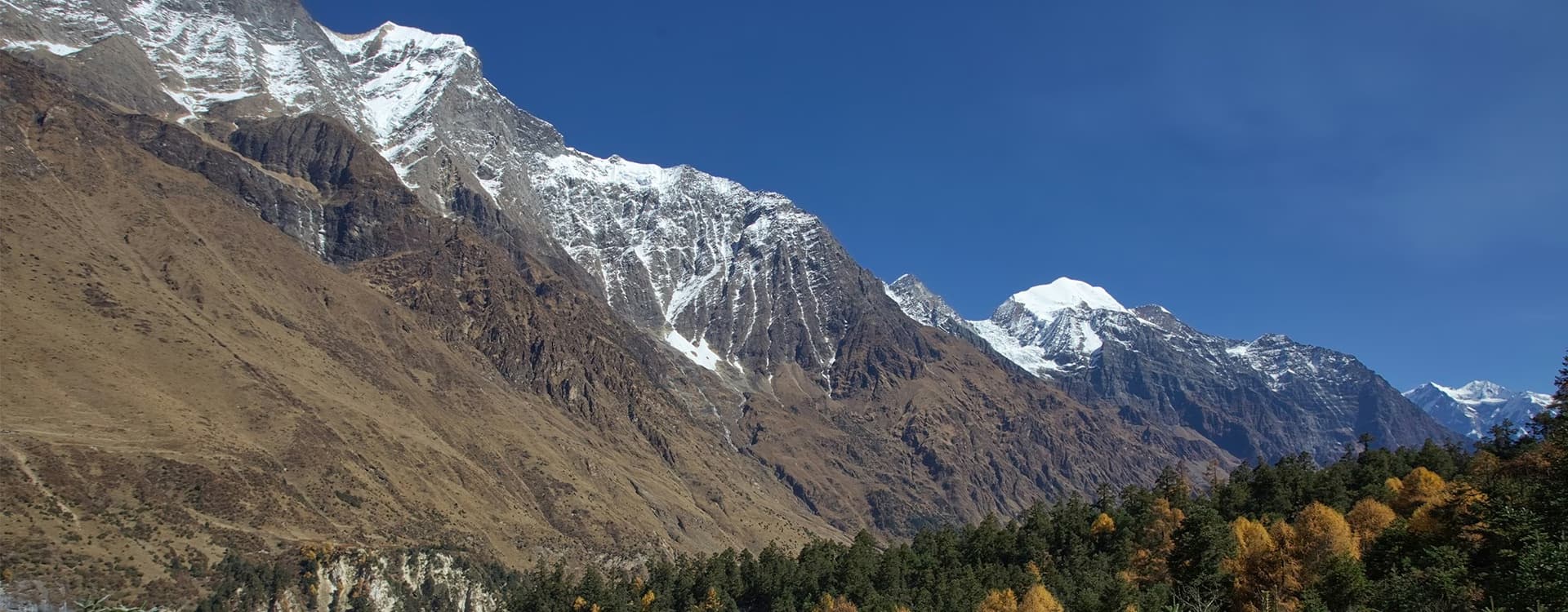
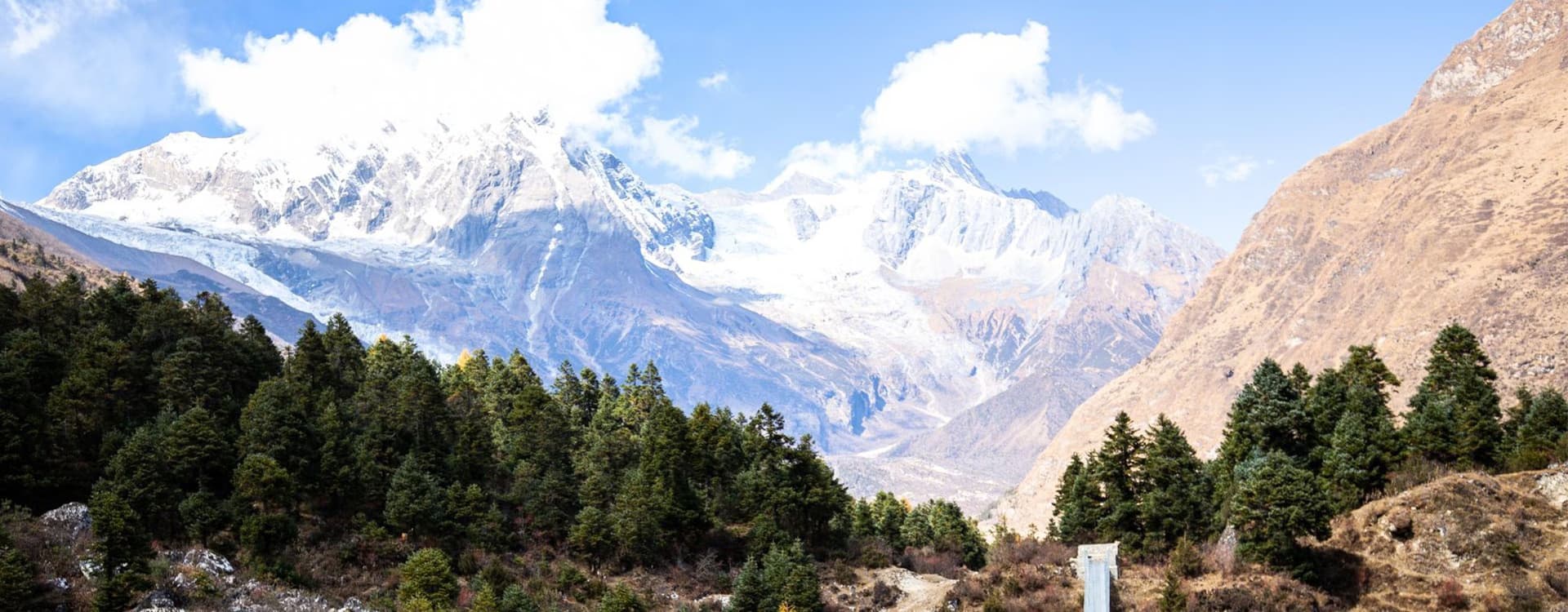
  • Spirit of Manaslu: Get up close with the "Mountain of the Spirit," the 8th highest peak on Earth.

  • Larkya La Conquest: Cross one of the most dramatic high-altitude passes in the Himalayas at 5,135m.

  • Ancient Culture: Explore the Tibetan-influenced villages of Samagaon and Samdo, visiting ancient monasteries and monasteries like Pungyen Gompa.

  • Restricted Wilderness: Experience a trek that requires special permits, ensuring the trail remains uncrowded and pristine.

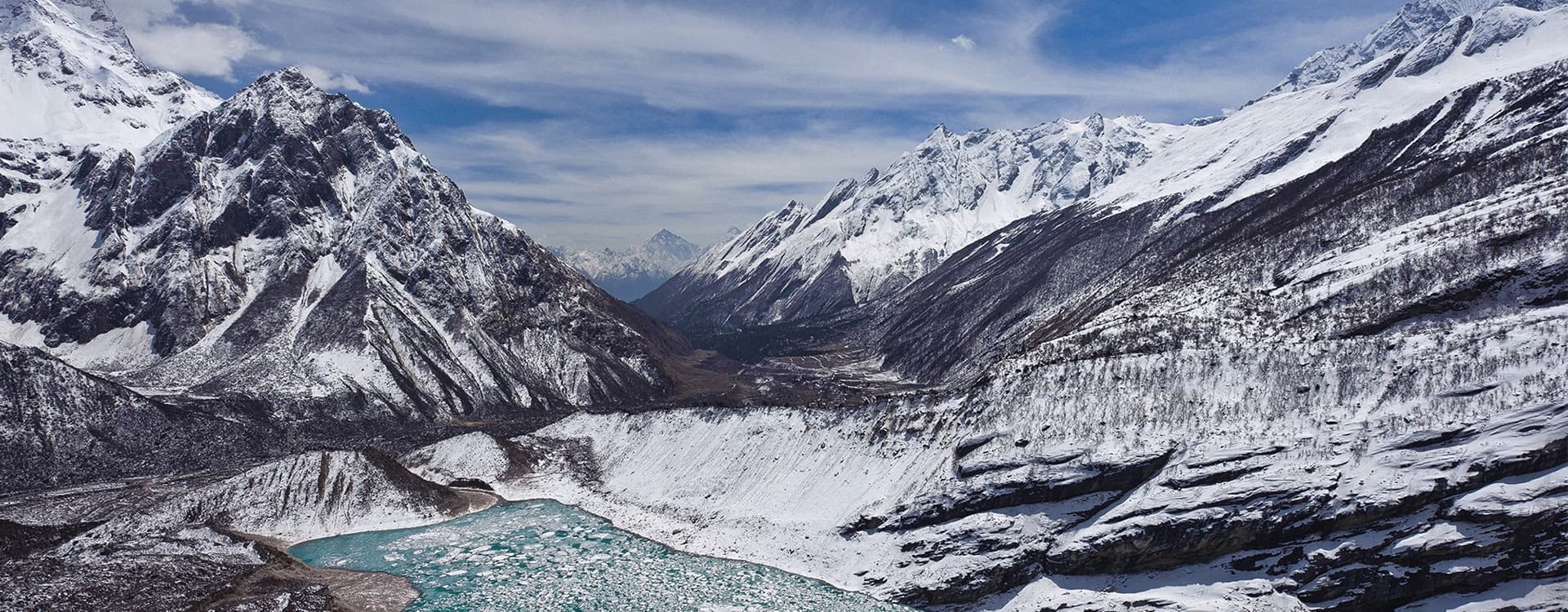
  • Birendra Tal: Visit the stunning emerald glacial lake at the foot of the Manaslu glacier.

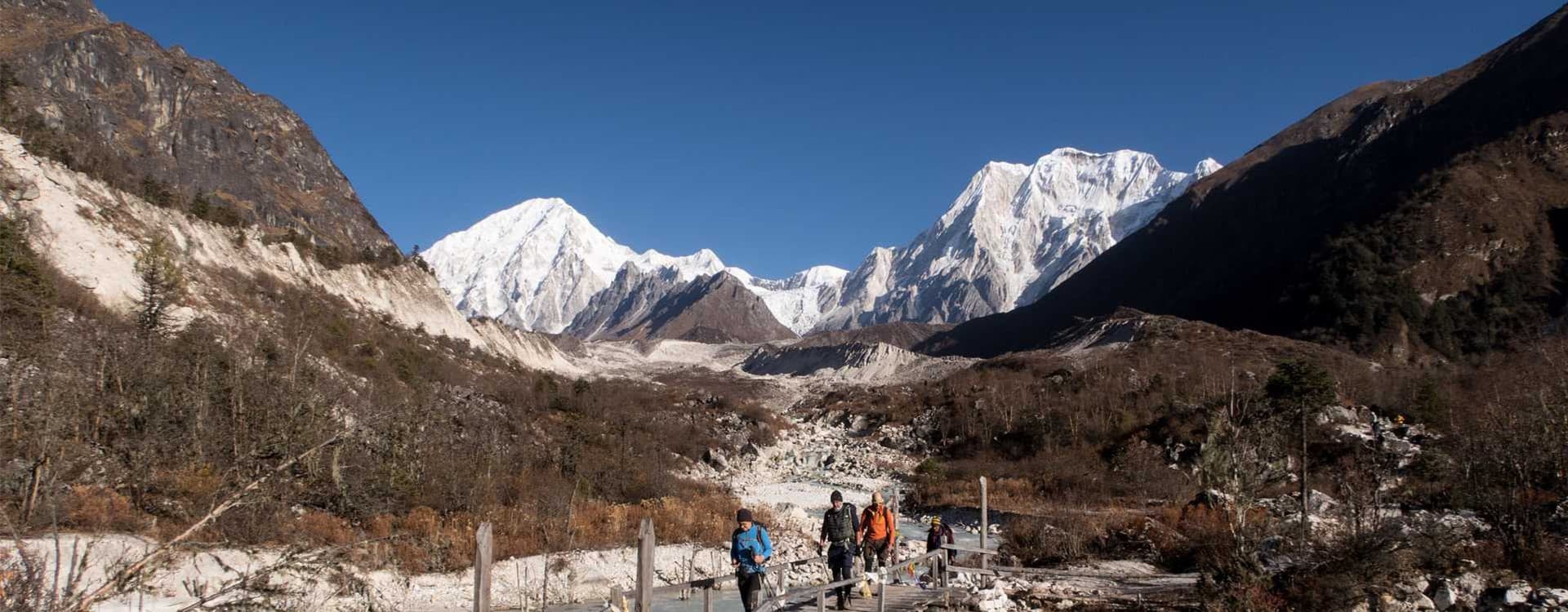
  • River Gorges: Traverse the steep and spectacular Budhi Gandaki river valley.

Expedition Narrative

About Manaslu Circuit Trek — 15 days

The Manaslu Circuit Trek is far more than a high-altitude hike; it is a profound journey into the "intellect" or "soul"—a meaning derived from the ancient Sanskrit word Manasa. While the commercial allure of Everest draws the masses and the Annapurna Circuit undergoes modernization, Manaslu remains a sanctuary for those seeking a raw, unfiltered, and deeply personal connection with the Earth’s highest peaks. This 15-day odyssey circles Mt. Manaslu (8,163 m), the world’s eighth-highest mountain, offering a transformative experience that bridges the gap between the modern, frantic world and a spiritual landscape that has remained largely unchanged for centuries.

To walk this trail is to step back in time. It is a commitment to isolation, a test of physical limits, and an invitation to witness the "Spirit Mountain" in its most intimate form. The journey is defined by its dramatic geographical diversity, its deep Tibetan roots, and the overwhelming silence of a region that was only opened to the world in 1991.

The Sensory Awakening: From the Subtropical Jungle to the Sky

Your adventure begins with a visceral transition from the chaotic, colorful energy of Kathmandu to the rhythmic, quiet life of the mountains. As you step onto the trail at Soti Khola, the air itself begins to change. The humid, heavy air of the lowlands slowly gives way to a crisp, thin breeze, scented with the earthy fragrance of pine needles and the sweet, intoxicating aroma of blooming rhododendrons—the national flower of Nepal.

You are not merely walking a path; you are entering the Manaslu Conservation Area, a 1,663-square-kilometer sanctuary teeming with rare and elusive life. This ecosystem is a living gallery of biodiversity. In the lower reaches, the trail is hugged by dense bamboo forests and lush emerald gorges. If you are quiet enough, and if the mountain chooses to reveal its secrets, you might catch a glimpse of the Himalayan blue sheep (Bharal) grazing on the vertical cliffs, the soaring Himalayan Griffon circling the thermals, or perhaps even the legendary, elusive snow leopard—the "ghost of the mountains" that stalks these high-altitude ridges.

The trail follows the thundering, turquoise waters of the Budi Gandaki River. The sound of the river is your constant companion, a roar that echoes through deep canyons and beneath swaying suspension bridges. These bridges, draped in faded prayer flags, are more than just engineering feats; they are the gateways between the worlds of the valley and the peaks, testing your nerves and exhilarating your spirit with every swaying step over the white-water rapids below.

The Human Heart of the Himalaya: The Nubri and Tsum Heritage

As the elevation increases and the oxygen thins, the landscape opens into wide, glacier-carved valleys where the influence of Tibetan Buddhism becomes the literal heartbeat of the trek. You are now entering the lands of the Nubri and Tsum people, ethnic groups whose language, dress, and architecture reflect a lineage that stretches back to Tibet.

You will walk through ancient stone villages like Namrung, Lho, and Samagaon, where life is dictated by the turning of the seasons, the movement of yak herds, and the distant, rhythmic tolling of monastery bells. The "human touch" of this trek is found here, in the resilience of a people who have thrived in this harsh environment for generations.

  • The Spiritual Landscape: Every mile of the trail is marked by the sacred. You will pass massive Mani walls—hundreds of stones meticulously carved with the mantra Om Mani Padme Hum—and white-washed Chortens that stand as guardians of the mountain passes.

  • The Teahouse Experience: Staying in local teahouses is a profound highlight. It is the simple, honest warmth of a wood-burning stove on a freezing night, the steam rising from a cup of butter tea, and the genuine, weathered hospitality of your hosts. Here, you are not a customer; you are a guest in a lifestyle of incredible grace and strength. Sharing a meal of Dal Bhat in a communal dining hall while the wind howls outside is an experience that strips away the ego and connects you to the raw essence of human survival and companionship.

The Architectural Grandeur: Monasteries and Massifs

As you approach Samagaon (3,530 m), the mountain of Manaslu begins to dominate the skyline in a way that is almost overwhelming. It is not just a peak; it is a presence.

  • Pungyen Gompa: During your acclimatization days, a hike to the Pungyen Gompa reveals a hidden monastery tucked beneath the icy face of the mountain. Here, the silence is so heavy it feels physical. The monastery, destroyed by an avalanche in the 1950s and painstakingly rebuilt, stands as a symbol of the local belief that the mountain is a living deity that must be respected.

  • Birendra Tal: A short walk from the village leads to the emerald-green waters of Birendra Tal, a glacial lake that sits at the foot of the Manaslu Glacier. The sight of the ice calving into the turquoise water is a reminder of the constant, slow-motion power of the geological forces at work around you.

The Ultimate Test: The Larkya La Pass (5,135 m)

The crescendo of your 15-day journey is the ascent to the Larkya La Pass. This is the physical and mental crucible of the trek. The push toward the pass usually begins in the pre-dawn darkness, with headlamps flickering like fireflies against the frozen moraine.

This is a visceral battle with the thin air. Every step requires a conscious effort of will; every breath is a precious commodity. The terrain is a world of rock and ice, where the only sound is the crunch of your boots and the rasp of your breathing. But as you reach the summit at 5,135 meters, the world suddenly falls away, and the struggle is replaced by an overwhelming sense of transcendence.

The reward is a horizon that feels as though it encompasses the entire world. The panoramic views are a masterpiece of light and shadow:

  • Mt. Manaslu (8,163 m): Rising like a giant tooth of ice, dominating the southern sky.

  • Himalchuli (7,893 m) and Ngadi Chuli (7,871 m): Towering giants that stand as silent sentinels to Manaslu’s flank.

  • Annapurna II and Himlung Himal: Shimmering on the western horizon, marking your entry into the next phase of the journey.

  • Kang Guru and Cheo Himal: Sharp, jagged peaks that define the borderlands of Tibet.

A Legacy of Discovery and the Long Descent

Reaching the pass is more than a physical achievement; it is a celebration of human bravery and the innate, ancient need to discover unknown lands. It is the moment where the "intellect" meets the "soul," and you realize your own capacity for endurance.

The descent from the pass is equally dramatic, dropping nearly 1,500 meters into the valley of Bimthang. This part of the trek offers a final, tranquil transition. You move from the high-altitude desert back into the "Green Zone," walking through ancient forests of pine and rhododendron that feel enchanted after the starkness of the pass. Bimthang itself is a wide, sandy bowl surrounded by glaciers, offering perhaps the most beautiful view of Manaslu’s north face.

The Stillness Within

As you eventually descend toward Dharapani and rejoin the more traveled Annapurna route, the transition back to civilization can feel jarring. You have spent two weeks in a realm where time is measured by the sun and the moon, and where the only "noise" was the wind and the river.

You return from the Manaslu Circuit not just with photographs or a new notch on your trekking pole, but with a piece of the mountain's stillness etched into your soul. You have circled a giant, but in doing so, you have also explored the inner reaches of your own resolve. The "Spirit Mountain" has been your teacher, and the lessons of Manaslu—patience, humility, and the beauty of the raw Earth—will stay with you long after the dust has been washed from your boots. This is the legacy of the Manaslu Circuit: you go to see the mountains, but you return having seen yourself.

Day-by-Day Plan

Detailed Itinerary Manaslu Circuit Trek — 15 days

Tailor This Journey

This provides a generalized view of our expedition flow. We specialize in bespoke adjustments based on season, group size, and personal pace to ensure your Himalayan experience is flawless.

Request Customization
  • Day 01

    Arrival at Tribhuvan International Airport and Transfer to Hotel

    Arrive at Kathmandu’s Tribhuvan International Airport and meet your trekking team. Transfer to your hotel in Thamel, the lively heart of the city. In the evening, attend a trek briefing covering the Manaslu Circuit route, cultural insights, safety, and packing tips. Spend time exploring the colorful streets, temples, and markets, preparing for your Himalayan adventure.

    • MealsDinner
    • Accommodation3-star hotel
    • Travel Duration20–30 minutes
    • Travel DistanceApprox. 6–8 km
    • RouteTU airport to Kathmandu hotel
    • TransportationPrivate vehicle
    • Elevation to 1,400 m / 4,593 ft
  • Day 02

    Drive from Kathmandu to Machha Khola via Soti Khola

    The journey to Machha Khola is a scenic drive through terraced hills, rivers, and small villages. Passing Soti Khola, the gateway to the Manaslu region, gives you a first glimpse of the mountains. The road alternates between gentle valleys and dramatic river gorges. Machha Khola is a small village offering basic guesthouses and the first taste of Himalayan village life.

    • AccommodationGuesthouse
    • Travel Duration8–10 hours
    • Travel DistanceApprox. 200 km
    • RouteKathmandu to Machha Khola via Soti Khola
    • TransportationPrivate tourist vehicle
    • Elevation1,400 m / 4,593 ft to 869 m / 2,850 ft
  • Day 03

    Trek from Machha Khola to Jagat

    The trek begins gently along the Budhi Gandaki River. You pass small suspension bridges, terraced farms, and traditional Nepali villages. Jagat, your first night on the trail, is a welcoming village with tea houses and local hospitality. It is also a checkpoint for the restricted Manaslu region permit.

    • AccommodationGuesthouse
    • Travel Duration4–5 hours
    • Travel DistanceApprox. 8 km
    • RouteMachha Khola to Jagat
    • TransportationTrekking on foot
    • Elevation869 m / 2,850 ft to 1,300 m / 4,265 ft
  • Day 04

    Trek from Jagat to Deng

    The trail ascends through lush forests and traditional villages, gradually revealing mountain views. You’ll notice Tibetan-influenced settlements and small monasteries. Deng offers cozy tea houses surrounded by forests and terraced fields, giving a sense of tranquility and the Himalayan rural lifestyle.

    • AccommodationGuesthouse
    • Travel Duration5–6 hours
    • Travel DistanceApprox. 12 km
    • RouteJagat to Deng
    • TransportationTrekking on foot
    • Elevation1,300 m / 4,265 ft to 1,860 m / 6,102 ft
  • Day 05

    Trek from Deng to Namrung

    The trail becomes steeper as you approach Namrung, a picturesque village with traditional Tibetan-style houses. Panoramic views of surrounding peaks begin to open up, and the atmosphere feels more alpine. Namrung is a peaceful stop with welcoming tea houses, ideal for acclimatization.

    • AccommodationGuesthouse
    • Travel Duration5–6 hours
    • Travel DistanceApprox. 10 km
    • RouteDeng to Namrung
    • TransportationTrekking on foot
    • Elevation1,860 m / 6,102 ft to 2,630 m / 8,628 ft
  • Day 06

    Trek from Namrung to Lho

    The trail ascends steadily with dramatic views of Manaslu and surrounding Himalayan ridges. Lho is a traditional Tibetan-influenced village with monasteries and stone houses. The village is famous for its cultural heritage and serves as a resting point before the higher-altitude sections of the trek.

    • AccommodationGuesthouse
    • Travel Duration4–5 hours
    • Travel DistanceApprox. 9 km
    • RouteNamrung to Lho
    • TransportationTrekking on foot
    • Elevation2,630 m / 8,628 ft to 3,180 m / 10,433 ft
  • Day 07

    Trek from Lho to Samagaon

    Samagaon is a high-altitude village offering stunning views of Manaslu and surrounding peaks. The trail passes mani walls, prayer flags, and yak pastures. Samagaon is larger than Lho, with tea houses, small shops, and a peaceful Himalayan environment. Overnight at a guesthouse.

    • AccommodationGuesthouse
    • Travel Duration5–6 hours
    • Travel DistanceApprox. 10 km
    • RouteLho to Samagaon
    • TransportationTrekking on foot
    • Elevation3,180 m / 10,433 ft to 3,500 m / 11,483 ft
  • Day 08

    Acclimatization Day at Samagaon – Optional Hike to Birendra Lake and Manaslu Base Camp

    Use this day to acclimatize and explore. The hike to Birendra Lake and Manaslu Base Camp offers stunning alpine landscapes, glaciers, and a sense of solitude rarely found on busier treks. Return to Samagaon for rest and evening relaxation at your guesthouse.

    • AccommodationGuesthouse in Samagaon
    • Travel Duration5–6 hours
    • Travel DistanceApprox. 8–12 km (round trip)
    • RouteSamagaon to Birendra Lake / Manaslu Base Camp
    • TransportationTrekking on foot
    • Elevation3,500 m / 11,483 ft to 4,700 m / 15,420 ft
  • Day 09

    Trek from Samagaon to Samdo

    The trail gradually ascends through alpine meadows, rocky ridges, and yak pastures. Samdo is the last major village before Larkya La Pass, offering cozy tea houses and traditional stone houses. Here, you can witness the daily life of Tibetan-influenced villagers and enjoy panoramic views of Manaslu and surrounding peaks. Samdo is also a checkpoint for trekking permits. Overnight at a guesthouse.

    • AccommodationGuesthouse
    • Travel Duration4–5 hours
    • Travel DistanceApprox. 8 km
    • RouteSamagaon to Samdo
    • TransportationTrekking on foot
    • Elevation3,500 m / 11,483 ft to 3,860 m / 12,664 ft
  • Day 10

    Trek from Samdo to Dharmashala

    Today’s trek takes you higher into the alpine zone, with dramatic rocky landscapes and glacial views. Dharmashala is a small lodge area near the base of Larkya La Pass. The scenery is breathtaking, with snow-capped peaks and moraine-strewn trails. This is your last stop before crossing the pass, and acclimatization is crucial. Overnight at a basic teahouse.

    • AccommodationBasic teahouse / lodge in Dharmashala
    • Travel Duration5–6 hours
    • Travel DistanceApprox. 10 km
    • RouteSamdo to Dharmashala
    • TransportationTrekking on foot
    • Elevation3,860 m / 12,664 ft to 4,460 m / 14,632 ft
  • Day 11

    Trek from Dharmashala to Bimthang via Larkya La Pass

    This is the most challenging day of the trek, as you cross Larkya La Pass (5,160 m / 16,929 ft), one of the highest points on the route. The climb is steep but rewarding, offering panoramic Himalayan views, glaciers, and dramatic ridges. After descending from the pass, you reach Bimthang, a high-altitude meadow surrounded by mountains. Tea houses here provide warmth and a much-needed rest. Overnight at a guesthouse.

    • AccommodationGuesthouse
    • Travel Duration8–10 hours
    • Travel DistanceApprox. 15 km
    • RouteDharmashala to Bimthang
    • TransportationTrekking on foot
    • Elevation4,460 m / 14,632 ft to 3,720 m / 12,205 ft
  • Day 12

    Trek from Bimthang to Goa

    The trail descends gradually through alpine valleys, rhododendron forests, and terraced fields. Goa is a small, picturesque village with welcoming tea houses. The descent allows trekkers to relax and enjoy the surrounding landscapes while reflecting on the challenging days behind them. Overnight at a guesthouse.

    • AccommodationGuesthouse
    • Travel Duration5–6 hours
    • Travel DistanceApprox. 13 km
    • RouteBimthang to Goa
    • TransportationTrekking on foot
    • Elevation3,720 m / 12,205 ft to 2,020 m / 6,627 ft
  • Day 13

    Trek from Goa to Dharapani

    Descending further, the trail passes rivers, forests, and rural villages. Dharapani is a lively village and a checkpoint for trekkers. Tea houses here are simple but comfortable, offering local meals and a chance to rest before returning to motorable roads. Overnight at a guesthouse.

    • AccommodationGuesthouse
    • Travel Duration6–7 hours
    • Travel DistanceApprox. 15 km
    • RouteGoa to Dharapani
    • TransportationTrekking on foot
    • Elevation2,020 m / 6,627 ft to 1,860 m / 6,102 ft
  • Day 14

    Drive from Dharapani to Kathmandu via Besisahar

    After breakfast, drive back to Kathmandu along the Marshyangdi and Trishuli river valleys. The road offers scenic glimpses of terraced hills, local villages, and mountains in the distance. Upon arrival in Kathmandu, enjoy a farewell dinner celebrating the completion of the trek. Overnight at a 3-star hotel.

    • Accommodation3-star hotel
    • Travel Duration8–10 hours
    • Travel DistanceApprox. 180 km
    • RouteDharapani to Kathmandu
    • TransportationPrivate tourist vehicle
    • Elevation1,860 m / 6,102 ft to 1,400 m / 4,593 ft
  • Day 15

    Transfer to Tribhuvan International Airport for Final Departure

    On the final day, you are transferred to the airport for your onward flight, taking with you memories of Himalayan peaks, Tibetan-influenced villages, alpine lakes, and the challenging but rewarding journey of the Manaslu Circuit Trek.

    • MealsBreakfast
    • Travel Duration20–30 minutes
    • Travel DistanceApprox. 6–8 km
    • RouteKathmandu hotel to Tribhuvan International Airport
    • TransportationPrivate vehicle
    • Elevation1,400 m / 4,593 ft to 1,400 m / 4,593 ft
Trip Investment

Cost Includes

Accommodation

  • Twin-sharing accommodation in a 3-star hotel in Kathmandu for 2 nights, including breakfast.

  • Twin-sharing teahouse/guesthouse accommodation during the trek for 13 nights along the Manaslu Circuit Trek.

Meals & Drinking Water

  • All standard meals during the trek (13 breakfasts, 13 lunches, 13 dinners).

  • One hot drink (tea or coffee) with each meal and seasonal fruits when available.

  • Safe drinking water during the trek using water filtration systems or purification tablets.

Transportation & Domestic Travel

  • All airport transfers in Kathmandu by private or tourist vehicle.

  • Ground transportation from Kathmandu to Soti Khola (trek starting point) and from Arughat back to Kathmandu by shared tourist vehicle, as per itinerary.

Guide & Trekking Staff

  • Experienced, government-licensed, English-speaking trekking guide trained in first aid and high-altitude safety.

  • Porters during the trek (1 porter for every 2 trekkers).

  • All wages, accommodation, meals, equipment, insurance, and medical supplies for trekking staff.

Permits & Documentation

  • Manaslu Conservation Area Permit (MCAP).

  • Trekkers’ Information Management System (TIMS) card.

  • All required local and government trekking permits.

Safety & Additional Benefits

  • Comprehensive first-aid kit, including an oximeter to monitor oxygen saturation and pulse.

  • Trekking map and detailed pre-trip briefing.

  • Trip completion certificate from Himalayan Ripple.

Administrative & Taxes

  • All government taxes, service charges, and administrative expenses.

Exclusions

Cost Excludes

  • International airfare to and from Nepal.

  • Lunch and dinner in Kathmandu.

  • Nepal Entry Visa (can be obtained on arrival: USD 30 for 15 days, USD 50 for 30 days, USD 125 for 90 days).

  • Travel insurance with high-altitude trekking coverage.

  • Personal trekking gear and equipment.

  • Additional expenses like hot showers, Wi-Fi, charging devices, snacks, and beverages.

  • Tips to trekking staff, guide, and drivers.

  • Any expenses not mentioned in the “Cost Includes” section.

Essential Briefing

Know Before You Go

Altitude, Safety, and the Physiology of the High Passes

The Manaslu Circuit is an extraordinary high-altitude endurance test, a physical and psychological gauntlet that culminates in the crossing of the Larkya La Pass at 5,135 meters. At this rarefied height, the atmospheric pressure is significantly lower than at sea level, meaning there is roughly 50% less oxygen molecules available in every cubic liter of air you inhale. This isn't just a statistic; it is a biological reality that forces your heart and lungs to work twice as hard even while at rest. This makes Acute Mountain Sickness (AMS) a tangible and serious consideration for every trekker, regardless of their previous experience, age, or peak physical fitness.

Our 15-day itinerary is not just a schedule; it is a life-saving physiological strategy. We have built in mandatory "acclimatization days" in the high-altitude villages of Samagaon (3,530 m) and Samdo (3,860 m). During these rests, your body undergoes a fascinating transformation: it begins to trigger the production of additional red blood cells and increases the count of mitochondria in your cells, allowing you to carry and utilize oxygen more efficiently. Skipping these rests isn't just a risk; it's a fundamental error in mountain safety that can lead to High Altitude Pulmonary Edema (HAPE) or Cerebral Edema (HACE).

The Human Touch: We emphasize that trekking in the Manaslu region is a marathon, not a sprint. Our guides are trained to monitor your health with eagle-eyed precision, checking for subtle, early symptoms that you might try to ignore out of a sense of stoicism—a lingering headache, a sudden loss of appetite, or a restless night’s sleep. We advocate for the "climb high, sleep low" philosophy, taking short, non-strenuous acclimatization hikes during our rest days to stress the body slightly before returning to a lower elevation to recover. We foster a culture of open communication where no symptom is too small to mention; your safety is our ultimate priority, and our guides possess the absolute authority to slow the pace or hold the group back to ensure everyone crosses the pass in health and high spirits.

The Sanctuary of the High-Altitude Teahouse

Throughout your 15-day journey, your refuge from the rugged terrain will be the traditional teahouses—quaint, stone-and-timber lodges that serve as the heartbeat of the Himalayan trekking culture. These are not merely hotels; they are often the ancestral homes of local families who have opened their doors to the world to share their heritage.

  • Accommodations & The Nightly Ritual: Expect simple, rustic twin-sharing rooms. The walls are typically made of thin wood or stone, and the "amenities" are intentionally minimal—two wooden beds, a foam mattress, a sheet, and a pillow. As you ascend toward the Larkya Phedi (Dharamsala), the luxuries of the lower valley—like Wi-Fi, charging ports, and gas-heated showers—begin to disappear entirely. In these high-altitude zones, a 4-season sleeping bag (rated to at least -20°C) is an absolute necessity, as temperatures inside the unheated rooms often mimic the freezing conditions outside. There is a specific kind of "human touch" found here: the sound of the wind howling against the stone walls while you are tucked safely inside, the communal atmosphere of the dining hall where trekkers from across the globe bond over shared exhaustion, and the simple joy of a heavy wool blanket provided by a smiling host who understands the cold better than anyone.

  • Dining for Endurance: Trekking at these altitudes can burn between 3,000 to 5,500 calories per day depending on the steepness of the terrain. To fuel this massive metabolic demand, teahouse kitchens serve a mix of local and international fare. The gold standard is Dal Bhat (steamed rice, lentil soup, and vegetable curry). It is the unofficial fuel of the Himalaya, famously offering "24-hour power" and—most importantly—unlimited refills of rice and lentils. You will also find Tibetan staples like Thukpa (warm, nourishing noodle soup) and Tsampa (barley flour), alongside pancakes, pasta, and porridge. We strictly advise a vegetarian diet once you cross 2,500 meters, as meat is often carried up by porters on foot without refrigeration; choosing vegetarian meals is a simple but effective way to prevent digestive issues that could end your trek prematurely.

Logistics, Permits, and the Support Ecosystem

The Manaslu region is designated as a Restricted Area, a status maintained by the Government of Nepal to preserve the fragile cultural heritage of the Nubri and Tsum people and to manage the sensitive geopolitical environment near the Tibetan border. This means the logistics are significantly more complex than on standard treks like the Everest Base Camp or Annapurna Circuit.

  • Mandatory Requirements: By law, you cannot trek the Manaslu Circuit alone. You must be part of a group of at least two foreign trekkers and be accompanied by a government-licensed guide. We manage the entire permit gauntlet for you, which is a meticulous process involving three distinct permits: the Manaslu Restricted Area Permit (RAP), which varies in cost by season; the Manaslu Conservation Area Permit (MCAP); and the Annapurna Conservation Area Permit (ACAP), which is required as the trail exits through the Annapurna region into Dharapani.

  • The Support Team: Your Himalayan Family: Your team is led by a licensed guide and supported by professional Sherpa porters. These individuals are the unsung heroes of your journey. One porter is typically assigned to every two trekkers, carrying up to 20-25kg of gear in a traditional doko or a trekking duffel. They are not just bag-carriers; they are your safety net, your weather forecasters, and your cultural translators. They know the rhythm of the mountain, the location of the best water sources, and the hidden shortcuts through the forest. The bond formed between a trekker and their porter over 15 days is often the most enduring and emotional memory of the entire trip.

Insurance: Your Vital Safety Net

In the remote reaches of the Manaslu Circuit, there are no roads, no ambulances, and very few health posts. The terrain is jagged and isolated. If a trekker suffers from a serious injury, a broken limb, or advanced AMS (such as HAPE or HACE), the only way out is a helicopter evacuation. This is an expensive, high-stakes service, often costing between $2,500 to $10,000 USD depending on the altitude, the complexity of the landing, and the weather conditions.

Comprehensive travel and rescue insurance is mandatory. Your policy must explicitly cover trekking up to 5,500 meters and include emergency helicopter rescue and medical repatriation. Most standard "World Traveler" insurance policies cap their coverage at 3,000 meters, which is useless on the Manaslu Circuit. We require a digital copy of your insurance certificate and the 24-hour emergency contact number before departure. This allows our base office in Kathmandu to coordinate instantly with rescue operators and your insurance provider in the event of an emergency, saving precious minutes when they matter most.

Gear and Equipment: Technical Readiness

Packing for Manaslu is a study in layers and quality. The temperature variance on this trek is extreme—from 25°C in the humid lower valleys to -15°C at the Larkya La Pass.

  • The Layering System: You need a moisture-wicking base layer (merino wool is best), an insulating mid-layer (fleece or down), and a waterproof/windproof outer shell.

  • Footwear: Your boots should be well-broken-in, waterproof, and provide high ankle support. A single blister at 4,000 meters can turn a dream trek into a painful ordeal. Bring several pairs of high-quality wool socks and a "camp shoe" (like Crocs or sandals) for the evenings.

  • Small Essentials: Do not forget a high-lumen headlamp with spare batteries (for the early morning pass crossing), polarized sunglasses to prevent snow blindness, and trekking poles to save your knees on the grueling 1,500-meter descent from the pass.

Sustainable Trekking and Cultural Etiquette

We believe that we are guests in a sacred landscape, and we practice Leave No Trace tourism to ensure the Manaslu region remains pristine for generations to come.

  • Environmental Responsibility: Plastic pollution is a crisis in the mountains. We strictly discourage the purchase of single-use plastic water bottles. Instead, we provide boiled and filtered water at every lodge. Please bring two reusable 1-liter bottles and water purification tablets (like Chlorine or Iodine) or a UV filter as a backup.

  • Cultural Etiquette & The Human Touch: You are walking through a deeply religious landscape. Always walk to the left (clockwise) of Mani walls, stupas, and chortens. This is a sign of respect for the Buddhist tradition of circularity and balance. Seek permission before taking photographs of locals, especially elders or inside monasteries. A simple "Namaste" with pressed palms goes a long way. This mutual respect ensures that the local communities see trekkers not just as a source of income, but as friends sharing in the beauty of their home.

Training and Mental Preparation

While physical fitness is important, mental resilience is what gets you over the Larkya La. This trek involves 6 to 8 hours of walking every day for two weeks.

  • Preparation: We recommend at least 3 months of cardiovascular training (hiking, running, or cycling) and leg-strengthening exercises (squats and lunges).

  • The Mental Game: There will be days when it rains, days when your legs ache, and days when the altitude makes you feel slow. Embracing the "process" rather than the "destination" is the key. Remember that every step you take is a privilege, and the struggle is part of the story you will tell for the rest of your life.

Financial Planning and Tipping

While your package covers most expenses, you should carry extra Nepalese Rupees for personal costs.

  • Personal Expenses: This includes things like hot showers (which cost $3-$5), charging your phone or camera ($2-$5), Wi-Fi access ($3-$7), and bar bills (beer, soda, or snacks).

  • The Tipping Culture: Tipping is a standard and expected practice in the Nepalese trekking industry. It is a way to say "thank you" to the people who made your journey possible. We suggest a general guideline of 10-15% of your trek cost, shared among the guide and porters. This money often goes directly toward school fees or family support, making a tangible difference in the lives of the local mountain workers.

Connectivity and the Digital Fast

One of the greatest gifts of the Manaslu Circuit is the chance to "unplug."

  • Mobile Signal: Signal is non-existent in many parts of the upper valley. While some lodges offer satellite-based Wi-Fi, it is often slow and weather-dependent.

  • Communication: Our guides carry a satellite phone or a local mobile for emergency use, but for your personal use, we recommend informing your family that you will be out of reach for several days. Embrace the silence; it is one of the rarest commodities in the modern world.

Final Thoughts: The Spirit of the Trail

The Manaslu Circuit is a journey of 177 kilometers, but it is measured in heartbeats and horizons rather than miles. It is a trek that demands respect, patience, and a sense of wonder. When you finally stand atop the Larkya La, looking out at the vastness of the Himalayas, you will realize that the "Essential Information" wasn't just about gear or permits—it was about preparing your soul for a meeting with the sublime.

Expert Guidance

FAQs

Trekking Basics

  • Q.01:What is the Manaslu Trek?

    The Manaslu Trek is a high-altitude Himalayan trek around Mount Manaslu (8,163 m), the eighth-highest peak in the world. It offers spectacular mountain scenery, rich cultural experiences in Tibetan-influenced villages, and a challenging adventure suitable for trekkers with good fitness and prior trekking experience.
  • The standard Manaslu Circuit Trek takes 15 days, covering approximately 177 km. The trek starts from Soti Khola and ends in Arughat, taking you through diverse landscapes from subtropical forests to high alpine regions.
  • The highest point is Larkya La Pass (5,160 m). Crossing this pass is the most challenging part of the trek and requires careful acclimatization, trekking experience, and proper fitness.
  • It is a moderate to strenuous trek, combining long trekking days, high-altitude challenges, and remote trails. Trekkers should be physically fit and have some experience with high-altitude trekking.
  • The trek is not recommended for absolute beginners. While the scenery is breathtaking, the altitude, remoteness, and the Larkya La Pass make this trek more suitable for trekkers with prior experience or those who have trained for high-altitude hiking.

Accommodation & Meals

  • Accommodation is primarily in teahouses and guesthouses along the route. These offer twin-sharing rooms with basic facilities. Some villages may have limited options, so comfort is modest but warm hospitality is guaranteed.
  • Yes, all standard meals are included—breakfast, lunch, and dinner. Most teahouses offer local dishes like dal bhat (rice and lentils), noodles, soups, and occasionally Western options. Seasonal fruits and hot drinks are usually available.
  • Drinking water is available but must be purified. Himalayan Ripple provides water filtration or purification tablets to ensure safe consumption.

Permits & Regulations

  • Yes, trekkers need the Manaslu Conservation Area Permit (MCAP) and a TIMS card. These permits are arranged by Himalayan Ripple as part of the package.
  • Foreign nationals must follow permit regulations and trekking rules. SAARC nationals may have different permit fees than international trekkers. Proper identification and trekking permits are always required.

Health & Safety

  • Altitude sickness is a major concern due to high elevations like Larkya La Pass. Prevention includes gradual acclimatization, hydration, avoiding alcohol, and listening to your body. Guides carry first-aid kits and oximeters for monitoring oxygen levels.
  • All Himalayan Ripple treks include trained guides, first-aid kits, and protocols for emergencies. Porters and guides are also trained to assist in high-altitude emergencies, but trekkers should have personal travel insurance covering evacuation.
  • Yes, travel insurance covering high-altitude trekking and emergency evacuation is mandatory. This ensures safety in case of injury, illness, or unforeseen events.

Logistics & Transport

  • The trek begins at Soti Khola, accessible via private vehicle from Kathmandu or other towns. Himalayan Ripple arranges airport transfers and ground transportation as part of the package.
  • The trek ends in Arughat, from where Himalayan Ripple provides ground transport back to Kathmandu.
  • Daily trekking ranges from 4 to 7 hours, depending on terrain, altitude, and acclimatization needs. Himalayan Ripple designs itineraries to balance challenge and rest.

Trekking Experience

  • The ideal trekking seasons are spring (March to May) and autumn (September to November). These months offer clear skies, moderate temperatures, and lush landscapes.
  • Yes, the Manaslu region is remote, and trekking with an experienced guide is mandatory. Himalayan Ripple provides licensed, English-speaking guides familiar with the trails, culture, and high-altitude safety.
  • While technically possible, solo trekking is not recommended due to remoteness, altitude challenges, and permit regulations. Traveling with a guide or organized group ensures safety and compliance.
  • Trekkers should be in good physical shape, ideally doing cardio, strength training, and practice hikes for at least 2 months before the trek. This prepares you for long walking days and the high-altitude challenge of Larkya La Pass.
  • No domestic flights are required for the standard Manaslu Circuit Trek. All transport is by road, except for international flights to and from Nepal.
  • Essential items include warm clothing, waterproof layers, trekking boots, a sleeping bag, trekking poles, sun protection, and personal medication. Himalayan Ripple provides a detailed packing list before departure.
Private Journey
$1320/ Person
Group Size
Price P.P.
1 Pax
US$ 1900
2 - 3 Pax
US$ 1550
4 - 9 Pax
US$ 1400
10 - 14 Pax
US$ 1320
TravelersManage Group
1
Total Estimate1 × $1900
US $1900
Custom Itinerary
US$1320Per Person
Book Now
© 2026 Himalayan Ripple

Boutique Himalayan Expeditions. Curated raw adventure blended with high-end hospitality. No part of this website may be reproduced without explicit permission.