logo
11 daysPrivate Trip Available

Tsum Valley Trekking

Expedition Vitality

Trip Overview

  • AccommodationTea House
  • GradeModerate
  • MealsAs per itinerary
  • StyleTrekking
  • TransportationExcursion bus
  • Max Altitude3700 m
  • Duration11 days
Discovery Journey

Experience Highlights

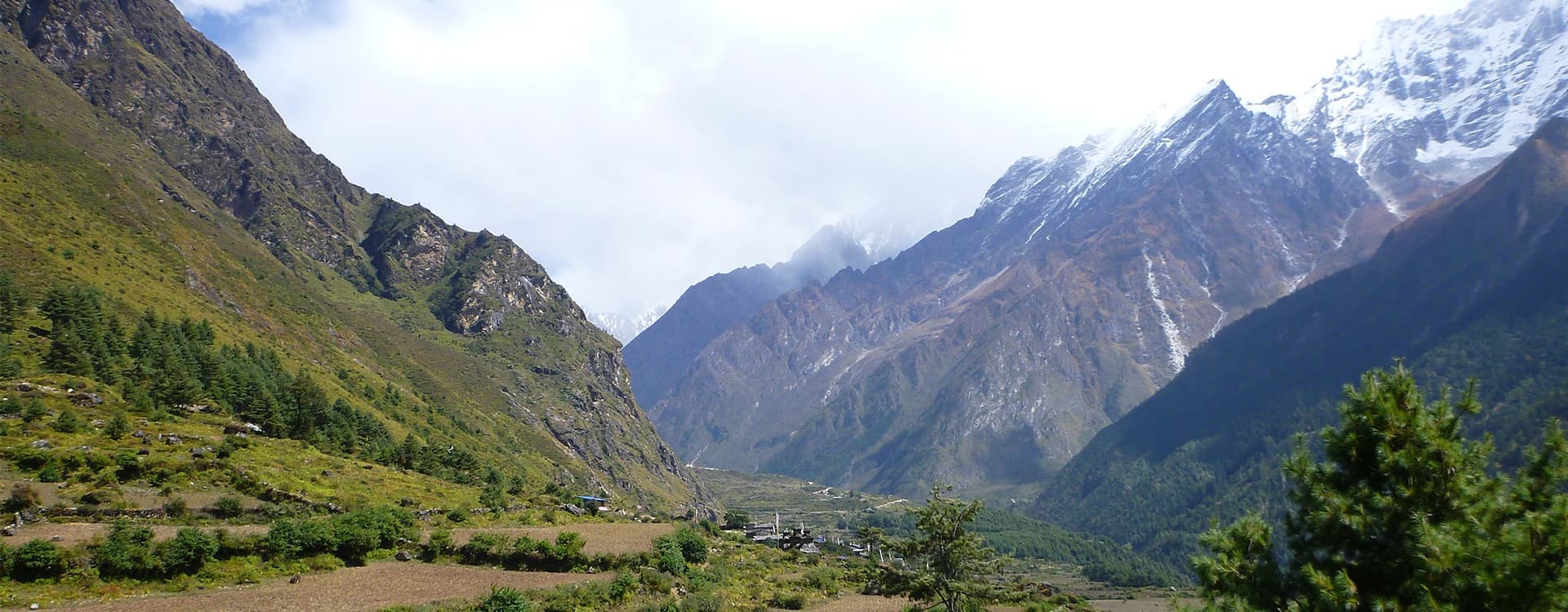
Hidden Valley of Happiness: Journey into the mystical Tsum Valley, a sacred Himalayan valley known as the “Hidden Valley of Happiness,” rich in Tibetan Buddhist culture, ancient traditions, and untouched mountain beauty.

Sacred Buddhist Heritage: Explore centuries-old monasteries including Mu Gompa and Rachen Gompa, where monks and nuns continue traditional Buddhist practices in peaceful Himalayan surroundings.

Authentic Tibetan Culture: Experience the unique lifestyle of Tibetan-influenced villages such as Chhokangparo, Nile, and Chumling, featuring prayer wheels, mani walls, traditional stone houses, and warm local hospitality.

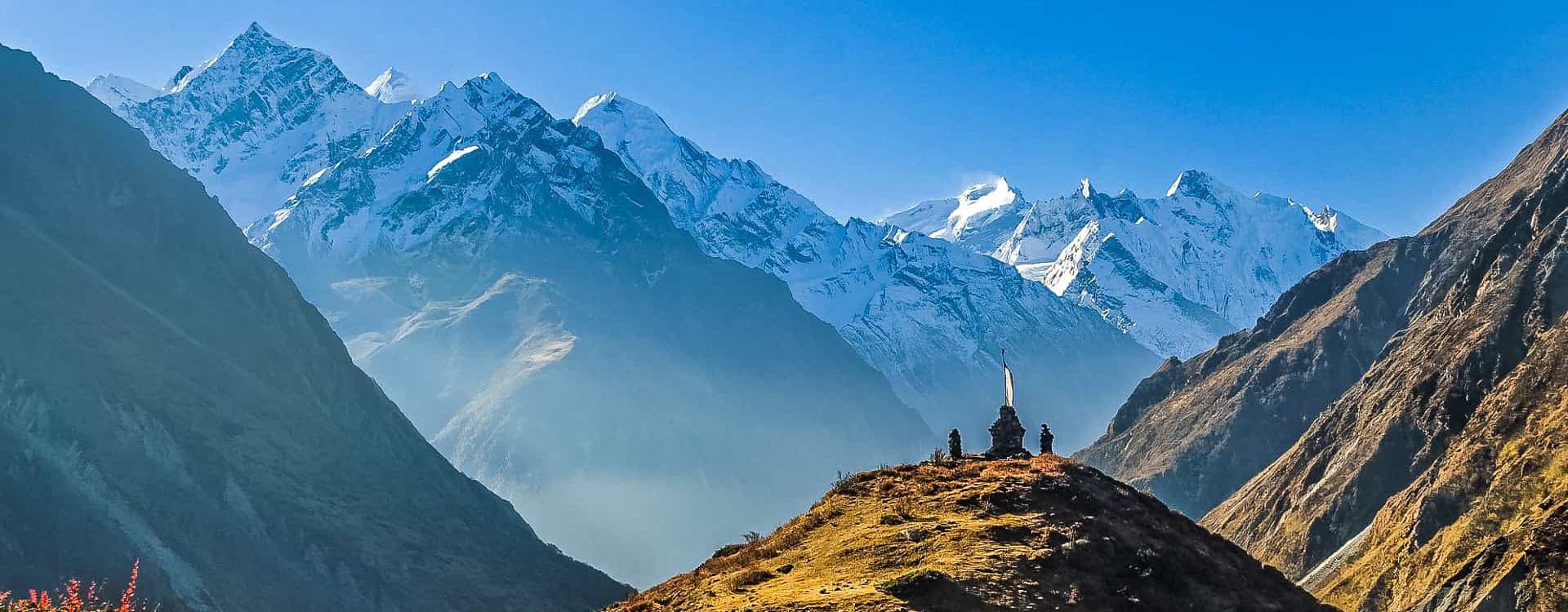
Ganesh Himal & Himalayan Views: Enjoy spectacular mountain panoramas of the Ganesh Himal range along with views of Sringi Himal, Boudha Himal, and other snow-capped peaks throughout the trek.

Restricted & Peaceful Trekking Region: Trek through a restricted Himalayan region with limited visitor access, preserving the valley’s spiritual atmosphere, peaceful trails, and pristine natural environment.

Ancient Trade & Pilgrimage Routes: Walk along historic Himalayan trade routes once used for trade between Nepal and Tibet, passing sacred caves, chortens, suspension bridges, and traditional settlements.

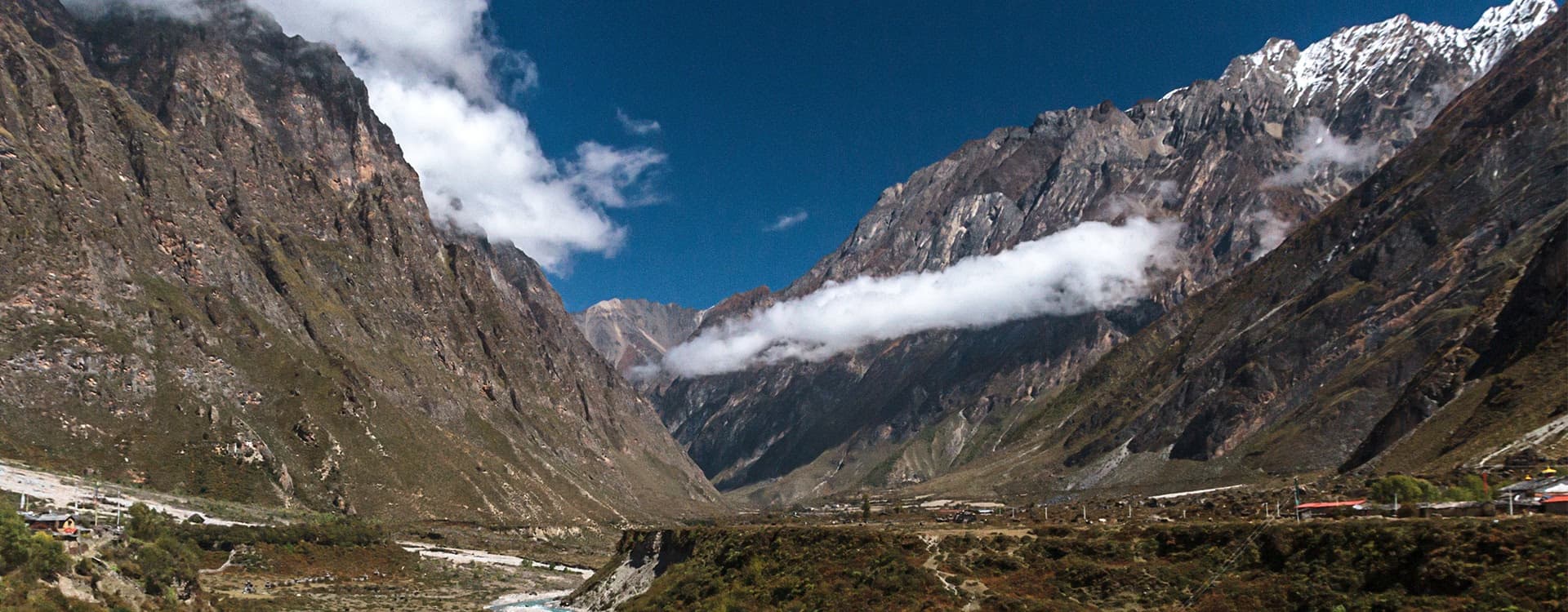
Rich Natural Diversity: Experience diverse landscapes ranging from terraced farmlands and pine forests to alpine meadows, river valleys, and rugged Himalayan terrain along the Budhi Gandaki and Shiar Khola regions.

Spiritual Cave Exploration: Visit the sacred Milarepa Cave, believed to have been used for meditation by the famous Tibetan Buddhist saint Milarepa, adding deep spiritual significance to the journey.

Expedition Narrative

About Tsum Valley Trekking — 11 days

The Tsum Valley Trek is one of the most beautiful and peaceful trekking routes in Nepal. It lies in the northern part of the Manaslu Region near the Tibetan border. Tsum Valley is famous for its natural beauty, ancient monasteries, and unique Tibetan culture. The word “Tsum” means vivid, and the valley truly looks colorful with green hills, snowy mountains, and traditional villages.

The trek usually starts from Soti Khola and follows the Budhi Gandaki River before entering the hidden valley. Trekkers pass through forests, waterfalls, suspension bridges, and terraced fields. Along the route, visitors can enjoy stunning views of mountains like Ganesh Himal and Sringi Himal. The peaceful environment and less crowded trails make the trek special for nature lovers and adventure seekers.

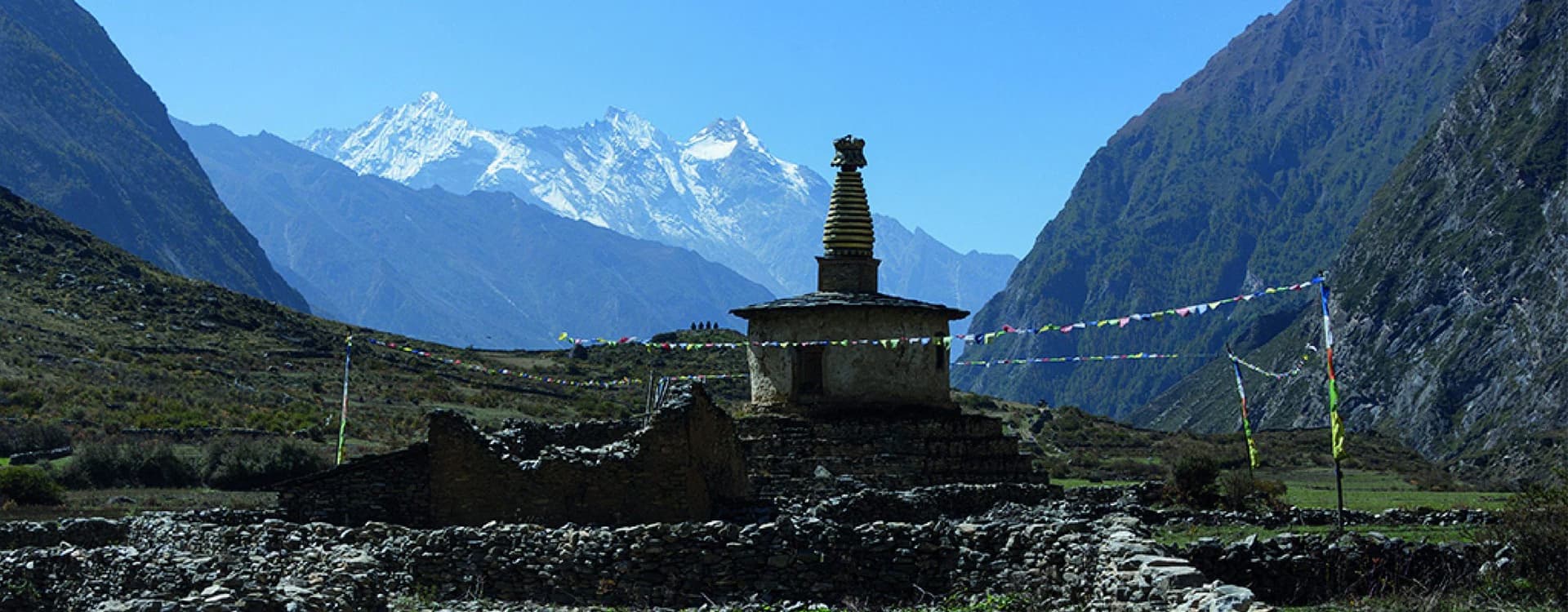
Tsum Valley is also rich in culture and religion. The local people mainly follow Tibetan Buddhism and have preserved their old traditions for centuries. Trekkers can visit famous monasteries such as Mu Gompa and Rachen Gompa. Prayer flags, mani walls, and chortens can be seen throughout the trail, giving the area a spiritual atmosphere.

The best seasons for the Tsum Valley Trek are spring and autumn. During these times, the weather is clear and the mountain views are excellent. The trek is moderately difficult, so trekkers need good physical fitness and preparation. Local guides and permits are required because the region is a restricted area.

Overall, the Tsum Valley Trek offers a wonderful combination of natural beauty, adventure, and cultural experience. It is an ideal destination for travelers who want to explore a hidden Himalayan valley and learn about the traditional lifestyle of the mountain people of Nepal.

Day-by-Day Plan

Detailed Itinerary Tsum Valley Trekking — 11 days

Tailor This Journey

This provides a generalized view of our expedition flow. We specialize in bespoke adjustments based on season, group size, and personal pace to ensure your Himalayan experience is flawless.

Request Customization
  • Day 01

    Drive from Kathmandu to Machha Khola

    Your journey begins with an early morning drive from Kathmandu to Machha Khola. The drive passes through scenic hills, rivers, terraced fields, and small villages along the Prithvi Highway. After reaching Arughat or Soti Khola, the road becomes rough and adventurous before arriving at Machha Khola. Overnight stay at a local teahouse.

  • Day 02

    Trek from Machha Khola to Jagat

    The trek starts by following the Budhi Gandaki River through forests, suspension bridges, and traditional Gurung villages. The trail includes both uphill and downhill sections with beautiful waterfalls and rocky paths. After several hours of walking, you reach Jagat, a charming stone-paved village that serves as the entry point to the Manaslu Conservation Area. Overnight at a teahouse.

  • Day 03

    Trek from Jagat to Lokpa

    Today the trail climbs gradually through forests of pine and rhododendron. You pass villages like Salleri and Philim, where you can observe local Buddhist culture and mountain lifestyles. After crossing bridges and enjoying views of surrounding hills, the route enters the peaceful Tsum Valley region. Overnight stay at Lokpa village.

  • Day 04

    Trek from Lokpa to Chumling

    The trail descends into a deep gorge before climbing toward Chumling village. Along the route, trekkers enjoy views of Ganesh Himal and nearby peaks. Chumling is known for its beautiful monasteries, prayer flags, and traditional Tibetan-style houses. You can explore the village and visit local monasteries in the evening. Overnight at Chumling.

  • Day 05

    Trek from Chumling to Chhokang Paro

    Today’s trek passes through fertile fields, mani walls, and suspension bridges. The trail gradually ascends while offering magnificent views of Himalchuli and Ganesh Himal. Chhokang Paro is one of the larger villages in Tsum Valley and provides insight into the unique Tibetan Buddhist culture of the region. Overnight at a teahouse.

  • Day 06

    Trek from Chhokang Paro to Nile

    The journey continues deeper into the upper Tsum Valley. You pass through villages such as Lamagaon and Milarepa Cave, believed to be a meditation site of the famous Buddhist saint Milarepa. The landscape becomes more barren and Himalayan in appearance. After several hours of trekking, you arrive at Nile, one of the highest villages in the valley. Overnight stay at Nile.

  • Day 07

    Exploration Day at Mu Gompa and Return to Nile

    This is one of the highlights of the trek. You hike to Mu Gompa, the largest and most important monastery in Tsum Valley, located near the Tibetan border. The monastery offers incredible mountain views and a peaceful spiritual atmosphere. After exploring the area and interacting with monks, you return to Nile for overnight accommodation.

  • Day 08

    Trek from Nile to Chumling

    Today you retrace your route back down the valley. Descending is easier and allows more time to enjoy the scenery, Buddhist chortens, and traditional villages along the trail. You pass through Chhokang Paro and continue to Chumling for overnight stay.

  • Day 09

    Trek from Chumling to Philim

    The trail descends through forests and crosses several suspension bridges over the Budhi Gandaki River. You leave the upper Tsum Valley behind and return to the lower region. Philim is a beautiful Gurung village with terraced farmlands and comfortable teahouses. Overnight at Philim.

  • Day 10

    Trek from Philim to Machha Khola

    Today you continue descending through Jagat, Tatopani, and other small settlements. Along the route, you can enjoy natural hot springs, waterfalls, and green hills. After several hours of trekking, you arrive back at Machha Khola for your final night in the trekking region.

  • Day 11

    Drive from Machha Khola to Kathmandu

    After breakfast, you begin the return drive to Kathmandu. The journey follows winding mountain roads and river valleys before reconnecting with the highway back to the capital city. Upon arrival in Kathmandu, the trek officially concludes with unforgettable memories of the remote and culturally rich Tsum Valley.

Trip Investment

Cost Includes

Accommodation

  • Twin-sharing or double accommodation in a comfortable 3-star hotel in Kathmandu for 2 nights, including breakfast
    (Private room accommodation can be arranged at an additional cost)

  • Twin-sharing guesthouse (teahouse) accommodation during the trek for 10 nights in the Tsum Valley Region

  • Best available teahouse accommodation throughout the trekking route

Meals & Drinking Water

  • All standard meals during the trek:
    (10 Breakfasts, 10 Lunches, and 10 Dinners)
    (Each meal includes one hot drink and seasonal fruits)

  • Farewell dinner on the final night in Nepal

  • Safe drinking water during the trek, provided through water filtration systems or water purification tablets

Transportation

  • All airport transfers by private tourist vehicle

  • Kathmandu – Machha Khola – Kathmandu transportation by shared/local tourist vehicle

Trekking Guide & Support Staff

  • Experienced, government-licensed, English-speaking trekking guide, first-aid trained and locally recruited by Himalayan Ripple
    (Two guides provided for groups of more than 7 trekkers)

  • Porters during the trek (1 porter for every 2 trekkers) to carry luggage

  • All staff wages, accommodation, meals, trekking gear, insurance, and medical supplies included

Permits & Entry Fees

  • Manaslu Conservation Area Permit (MCAP)

  • Annapurna Conservation Area Permit (ACAP)

  • Tsum Valley Restricted Area Permit

  • TIMS (Trekkers’ Information Management System) Card

Trek Benefits & Takeaways

  • Himalayan Ripple duffel/kit bag, trekking map, sun hat, and Buff (neck gaiter)

  • Comprehensive first-aid kit, including an oximeter to monitor oxygen levels and pulse daily at altitude

  • Tsum Valley Trek completion certificate

Administrative & Taxes

  • All administrative costs

  • All government taxes and service charges

Exclusions

Cost Excludes

  • International airfare and Nepal entry visa fees

  • Travel insurance, including emergency evacuation and medical coverage

  • Personal trekking equipment and gear

  • Extra hotel nights in Kathmandu due to early arrival, late departure, or flight delays/cancellations

  • Lunches and dinners in Kathmandu

  • Personal expenses such as laundry, telephone calls, internet, hot showers, battery charging, and bar bills

  • Alcoholic beverages, soft drinks, bottled water, and extra snacks

  • Tips for trekking guides, porters, and drivers

  • Porter service for excess luggage beyond the standard limit

  • Optional sightseeing tours and activities in Kathmandu

  • Personal medical expenses and medications

  • Costs arising from natural disasters, landslides, weather conditions, political disturbances, or unforeseen circumstances beyond company control

  • Any services not specifically mentioned in the “Cost Includes” section

Essential Briefing

Know Before You Go

Accomodations

Accommodation during the 10-day Tsum Valley Trek is mainly provided through local teahouses and mountain lodges operated by local families. These teahouses offer a warm and authentic Himalayan experience, allowing trekkers to stay close to local culture and daily village life. Rooms are generally simple and basic, usually with twin-sharing beds, blankets, pillows, and shared bathrooms. In lower villages, trekkers may find slightly more comfortable facilities, while accommodation becomes more basic as the trail reaches higher and remote areas.

Most teahouses have a central dining hall with a traditional wood-burning stove where trekkers gather in the evening to eat, relax, and stay warm. The hospitality of local people is one of the highlights of the trek, and many lodges serve homemade meals prepared with locally available ingredients. Although luxury accommodation is not available in the region, the peaceful environment, mountain scenery, and cultural experience make the stay unique and memorable.

Since temperatures can become very cold during the night, especially in winter and at higher elevations, carrying a good sleeping bag is highly recommended. Electricity and hot showers are available in some villages, but additional charges may apply. Trekkers should also be prepared for limited internet access and basic facilities in remote sections of the valley.

Meals & Drinking Water

Food during the Tsum Valley Trek is simple, fresh, and nutritious, providing enough energy for long walking days in the mountains. Most teahouses offer a variety of meals including traditional Nepali Dal Bhat, fried rice, noodles, soups, potatoes, Tibetan bread, pancakes, porridge, pasta, and momo. Dal Bhat is the most popular meal among trekkers because it is healthy, filling, and often comes with free refills.

As the trail enters more remote Himalayan villages, food options become more limited and prices may increase due to transportation difficulties. However, trekkers can still enjoy warm meals and local flavors throughout the journey. Tea, coffee, hot lemon, and garlic soup are commonly available and are especially helpful in cold weather and higher altitudes.

Drinking enough water is extremely important during the trek. Bottled water can be purchased in some villages, but carrying a reusable water bottle with purification tablets or a portable filter is the best option for both safety and environmental protection. Safe drinking water is often available at teahouses if treated properly before use.

Best Time for Tsum Valley Trek

The best seasons for the Tsum Valley Trek are spring (March to May) and autumn (September to November). During these months, the weather is usually stable with clear skies, comfortable temperatures, and excellent mountain views. Spring is especially beautiful because rhododendron forests bloom across the hills, adding colorful scenery to the trekking trails.

Autumn is another highly recommended season because the skies are generally very clear after the monsoon rains. Trekkers can enjoy breathtaking views of Ganesh Himal, Sringi Himal, and surrounding Himalayan landscapes. The temperatures are pleasant during the daytime, making trekking conditions ideal for both beginners and experienced trekkers.

Winter trekking is also possible for those seeking peaceful trails and snowy landscapes, but temperatures can drop below freezing at higher elevations. Monsoon season from June to August is less recommended due to heavy rainfall, muddy trails, landslides, and poor visibility in mountain areas.

Packing List for Tsum Valley Trek

Packing the right equipment is essential for a safe and comfortable trekking experience in Tsum Valley. Since the trek passes through different elevations and changing weather conditions, trekkers should pack layered clothing suitable for both warm days and cold nights. Important clothing items include thermal wear, fleece jackets, down jackets, waterproof jackets, trekking pants, gloves, warm hats, and moisture-wicking socks.

A comfortable pair of hiking boots with good ankle support is one of the most important items for the trek. Trekkers should also carry a backpack, sleeping bag, sunglasses, sunscreen, reusable water bottle, headlamp, power bank, trekking poles, rain cover, and personal toiletries. Small medical supplies such as altitude medicine, painkillers, blister care, and water purification tablets are also recommended.

Since the trek enters remote Himalayan villages where supplies are limited, it is wise to carry essential personal items from Kathmandu before starting the journey. Packing light but smart will help make the trek easier and more enjoyable.

Difficulty Level & Physical Fitness

The Tsum Valley Trek is considered a moderate trekking adventure suitable for trekkers with average physical fitness and some hiking experience. The trek involves daily walking of around 5 to 7 hours through forests, rocky trails, suspension bridges, river valleys, and mountain villages. Although there are no technical climbing sections, the continuous uphill and downhill paths can be physically demanding.

The highest points of the trek reach significant elevations, so trekkers should walk slowly and allow proper time for acclimatization. Good physical preparation before the trek, such as regular walking, cardio exercises, and short hikes, can greatly improve stamina and trekking comfort.

Despite the physical challenges, the trek is highly rewarding because of its peaceful environment, untouched landscapes, Tibetan Buddhist culture, and breathtaking Himalayan scenery. Trekkers who prepare well can fully enjoy this unique hidden valley experience.

Permits Required for Tsum Valley Trek

The Tsum Valley region is a restricted area in Nepal, so special permits are required for all foreign trekkers. The main permits include the Tsum Valley Restricted Area Permit and the Manaslu Conservation Area Permit (MCAP). Depending on the route, trekkers may also need the Annapurna Conservation Area Permit (ACAP).

The Nepal government requires trekkers to travel with a licensed trekking guide through a registered trekking agency. Independent trekking is generally not allowed in this restricted region. Permit costs vary depending on the season and the number of trekking days spent inside the restricted area.

These permit systems help preserve the fragile environment, local culture, and traditional lifestyle of the region. Carrying permit copies and passports during the trek is important, as there are several checkpoints along the trail.

Culture & Local Experience

One of the most special aspects of the Tsum Valley Trek is its deep spiritual and cultural atmosphere. The valley is strongly influenced by Tibetan Buddhism and remains one of the most culturally preserved Himalayan regions in Nepal. Trekkers can explore ancient monasteries, chortens, prayer flags, mani walls, and traditional stone villages along the route.

Important religious sites like Mu Gompa and Rachen Gompa offer insight into local Buddhist traditions and monastic life. Many local people still practice ancient customs, wear traditional clothing, and speak Tibetan dialects. The warm hospitality of the Tsumba people creates meaningful cultural interactions for visitors.

The peaceful environment, spiritual energy, and untouched lifestyle make Tsum Valley different from busier trekking regions in Nepal. For many trekkers, the cultural experience becomes just as memorable as the mountain scenery itself.

Expert Guidance

FAQs

General FAQs

  • Q.01:What is the 11 Days Tsum Valley Trek?

    The 11 Days Tsum Valley Trek is a beautiful Himalayan journey in the remote northern part of Nepal. The trek takes you through traditional Tibetan-influenced villages, ancient monasteries, and peaceful mountain landscapes within the Manaslu region.
  • Tsum Valley is located in the northern Gorkha district near the Nepal-Tibet border. It lies inside the Manaslu Conservation Area and is known for its unique culture and untouched natural beauty.
  • The trek is considered moderate in difficulty. It involves daily walking on uphill and downhill trails, but no technical climbing is required. Basic fitness and some hiking experience are helpful.
  • The best seasons are spring (March to May) and autumn (September to November). During these months, the weather is stable, skies are clear, and mountain views are spectacular.
  • Yes, hiring a licensed guide is mandatory because Tsum Valley is a restricted area in Nepal. Trekking with a registered trekking agency is also required.

Transportation FAQs

  • The trek usually starts after a drive from Kathmandu to Machha Khola or Soti Khola. The drive takes around 7–9 hours depending on road conditions.
  • Most trekking packages include private or shared transportation from Kathmandu to the trek starting point and back.
  • Road conditions are rough and bumpy in some sections, especially during the monsoon season. Travelers should be prepared for long mountain drives.

Accommodation & Food FAQs

  • Accommodation is mainly in local teahouses and lodges. Rooms are simple but comfortable with basic facilities.
  • Teahouses serve Nepali and Tibetan meals such as dal bhat, noodles, soups, fried rice, potatoes, tea, and local bread.
  • Yes, drinking water is available at teahouses along the trail. It is recommended to use water purification tablets or filtered water.

Permit & Entry FAQs

  • Trekkers need a Restricted Area Permit (RAP) for Tsum Valley and a Manaslu Conservation Area Permit (MCAP).
  • No, independent trekking is not allowed in the restricted Tsum Valley region. You must trek with a licensed guide and through a registered agency.

Weather & Packing FAQs

  • Essential items include warm clothes, trekking shoes, rain gear, a sleeping bag, sunscreen, water bottles, and personal medications.
  • Higher areas may experience snowfall during winter and early spring. Autumn and spring generally offer better trekking conditions.
  • The trek reaches high elevations, so mild altitude symptoms are possible. Proper acclimatization, hydration, and gradual walking help reduce risks.

Culture & Experience FAQs

  • Tsum Valley is famous for its ancient Buddhist culture, monasteries, prayer flags, chortens, and traditional Tibetan lifestyle. The valley remains less crowded compared to other trekking regions in Nepal.
  • Yes, trekkers can visit several ancient monasteries including Mu Gompa and Rachen Gompa, which are important spiritual centers in the region.
  • Yes, beginners with good physical fitness and preparation can complete the trek comfortably with proper pacing and support from guides.
Private Journey
$800/ Person
Group Size
Price P.P.
1 Pax
US$ 900
2 - 5 Pax
US$ 800
TravelersManage Group
1
Total Estimate1 × $900
US $900
Custom Itinerary
US$800Per Person
Book Now
© 2026 Himalayan Ripple

Boutique Himalayan Expeditions. Curated raw adventure blended with high-end hospitality. No part of this website may be reproduced without explicit permission.